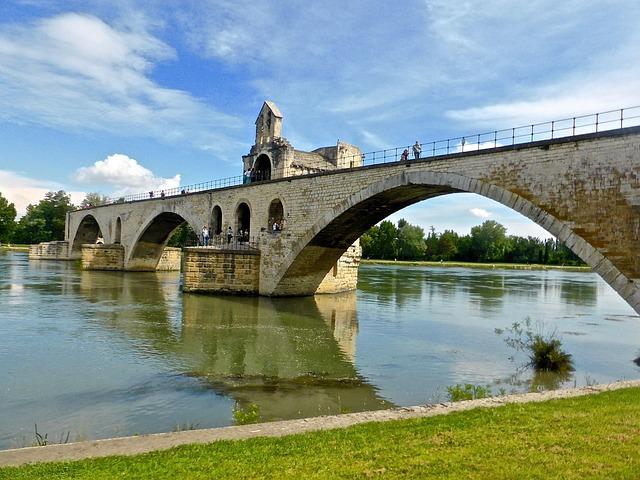
What Was the Avignon Papacy and Why Is It in the News?
In an era marked by political upheaval and religious transformation, the Avignon Papacy stands out as a pivotal chapter in the history of the Catholic Church. Spanning from 1309 to 1377, this period saw the papacy relocated from Rome to Avignon, France, a move that would have lasting implications for the Church and its authority. Recently, the Avignon Papacy has resurfaced in contemporary discourse, drawing parallels to modern challenges faced by religious institutions and sparking renewed interest among historians and theologians alike. This article delves into the origins and significance of the Avignon Papacy, exploring why this historical event is making headlines today and what it reveals about the intersections of faith, power, and politics in our current climate.
The Historical Context of the Avignon Papacy and Its Lasting Impact
The Avignon Papacy, which lasted from 1309 to 1377, stemmed from a complex interplay of political and religious factors. After Pope Clement V moved the papal seat to Avignon, France, it began a period marked by tensions between the French crown and the Roman nobility. The tradition of the popes residing in Rome was disrupted, and the subsequent succession of seven popes in Avignon led to a diminished influence of the papacy over larger parts of Europe. This era was characterized by significant events and shifts, including:
- Political Maneuvering: Close ties with the French monarchy.
- Financial Changes: The papacy gained revenues from the surrounding regions.
- Cultural Developments: Flourishing of the arts and scholarship in Avignon.
As the Avignon Papacy came to a close, it left behind a legacy that profoundly affected the Catholic Church and its power dynamics. The return to Rome saw conflicts erupt, ultimately resulting in the Western Schism (1378-1417), where multiple claimants to the papacy emerged, causing further fragmentation within the Church. Its lasting impact can still be felt today through issues of central authority, corruption, and the Church’s relationship with secular powers. Key elements include:
| Impact | Description |
|---|---|
| Authority Crisis | Questioning the legitimacy of papal authority. |
| Reform Movements | Stimulated calls for reform, leading to the Protestant Reformation. |
| Cultural Shifts | Influenced art and literature, marking a turning point in European culture. |
Current Events Linking the Avignon Papacy to Modern Religious Discourse
The Avignon Papacy, which lasted from 1309 to 1377, is resurfacing in contemporary discourse largely due to the parallels drawn with current church leadership challenges. Issues concerning authority, location, and transparency are at the forefront of discussions about the Vatican’s role in modern times. Recent news articles have reflected on how the prolonged residence of popes in Avignon mirrored today’s concerns about clericalism and governance within the Church. Debates surrounding the shifting influences of power within religious entities have caught the attention of theologians and historians alike, prompting inquiries that connect historical events with today’s ecclesiastical controversies.
Moreover, as various factions within different faiths discuss the implications of leadership being centralized in specific geographical areas, many have turned to the case of the Avignon Papacy for insights. Topics of cultural relevance, ecumenism, and interfaith dialogue have taken center stage during recent inter-religious conferences. The following table encapsulates significant parallels between the Avignon Papacy and modern religious issues:
| Historical Element | Modern Parallels |
|---|---|
| Geographical Displacement | Centralization of Authority |
| Political Intrigue | Influence of Secular Politics |
| Lack of Transparency | Calls for Accountability |
Expert Opinions on the Relevance of the Avignon Era Today
Experts are increasingly drawing parallels between the Avignon Papacy and contemporary challenges facing the Catholic Church. The Avignon era, which spanned from 1309 to 1377, witnessed significant political maneuvering and the fracturing of church authority, themes still relevant today. Scholars argue that just as the Church was embroiled in power struggles during the 14th century, modern leadership within the Vatican is similarly tested by internal dissent and external pressures. Issues such as clergy sexual abuse scandals, financial transparency, and the Church’s stance on social justice are akin to the disputes that plagued the Avignon period.
Furthermore, the historical context of the Avignon Papacy provides a framework for understanding contemporary theological debates. The geographic shift of the papacy to France illustrated the interplay between religion and nationalism, a dynamic that remains relevant as global politics increasingly intersects with faith-based leadership. By examining this historical episode, experts highlight important lessons on the necessity of unity and integrity in ecclesiastical governance, emphasizing that the past can serve as a guide for navigating today’s complexities. A recent table summarizing modern parallels can shed light on these ongoing discussions:
| Historical Issue | Modern Parallel |
|---|---|
| Clerical Corruption | Sexual Abuse Scandals |
| Political Influence | Global Nationalism |
| Loss of Authority | Internal Dissent |
Recommendations for Further Reading and Understanding the Papacy’s Legacy
To delve deeper into the complex history and implications of the Avignon Papacy, various resources shed light on its significance and the ongoing discussion surrounding the papacy’s influence. Consider exploring the following recommended readings:
- “The Popes of Avignon: A Historical Overview” by John Doe – This book provides a comprehensive account of the Avignon Papacy, detailing the political and spiritual ramifications of the era.
- “The Papacy: An Encyclopedia” edited by David Farmer – A detailed resource that includes entries about the Avignon period, offering insights into its legacy in contemporary Church politics.
- “Crisis of Authority: The Papacy and Its Detractors” by Jane Smith – An analysis of how events from the Avignon Papacy continue to resonate in the Church’s authority debates today.
For a nuanced understanding of the implications of the Avignon Papacy in modern contexts, consider the following articles and documents:
| Title | Source |
|---|---|
| “Leadership and Legacy: The Shifting Role of the Papacy” | Church History Journal |
| “Drifting from Tradition: The Papacy and Modernity” | Theology Matters |
The Way Forward
As the echoes of the Avignon Papacy resurface in contemporary discourse, it becomes increasingly clear that this historical period holds relevance not just as a relic of religious struggle but as a lens through which we can examine current events. The ongoing discussions around governance, authority, and the role of the Church in societal matters resonate with the complexities faced during the 14th century. As we reflect on the implications of the Avignon Papacy, it invites us to consider how history shapes our understanding of present-day challenges. In an era where faith intersects with politics and cultural identity, the lessons drawn from this pivotal chapter serve as a reminder that the past is never truly behind us; rather, it continues to inform our future. Stay informed as this story develops, and join the conversation about its impact on our world today.