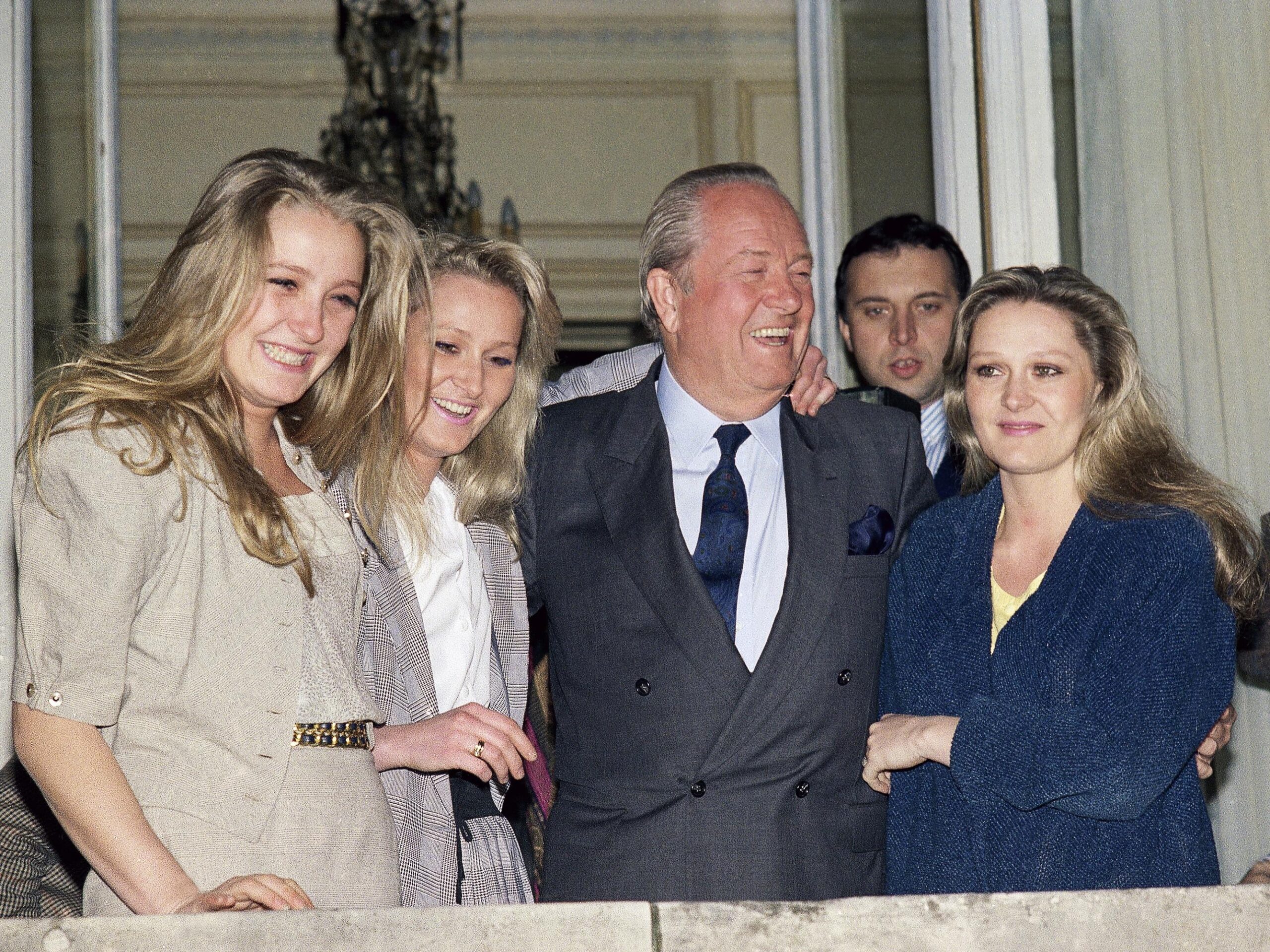
The House of Le Pen: France’s Political Immortals
In the complex landscape of French politics, few names resonate with the same weight as that of Le Pen. For decades, the Le Pen family has been a formidable force, embodying the rise and resilience of far-right ideology in contemporary France. Originating from Jean-Marie Le Pen’s controversial leadership of the National Front (now National Rally) to the current tenure of his daughter Marine Le Pen, their influence extends beyond mere electoral victories; it has permanently altered the political discourse in the nation. As the family prepares for yet another pivotal election cycle, examining their trajectory unveils the strategies, controversies, and enduring legacy of a dynasty that refuses to fade from the political stage. This article delves into the history and impact of the House of Le Pen, exploring how they have navigated the turbulent waters of French politics while maintaining an almost mythic status among their supporters.
The Legacy of Le Pen: How a Political Dynasty Shapes France’s Future
The Le Pen family, with its deep roots in French politics, has become synonymous with the far-right movement in modern France. Founded by Jean-Marie Le Pen, whose controversial past includes incendiary rhetoric and a penchant for polarizing debates, the family’s influence has morphed over generations. His daughter, Marine Le Pen, has sought to rebrand the National Front, turning it into a formidable force within the political arena. This transformation is exemplified by her efforts to distance the party from its contentious past while maintaining a staunch nationalist agenda. Some of her key strategies include:
- Rebranding the Party: Transitioning from the National Front to the National Rally.
- Increasing Electoral Appeal: Focusing on economic issues to attract middle-class voters.
- Engaging Younger Voters: Utilizing social media and contemporary politics to appeal to a new generation.
As the Le Pen dynasty continues to influence the political landscape, it raises critical questions about the future of France. Each generation has brought forth a unique set of ideologies, yet the undertones of nationalism and populism remain a constant theme. Recent polling data suggests that the legacy of the Le Pens may not only persist but flourish, impacting policy formulation and public sentiment across the nation. A snapshot of the family’s evolving voter base showcases this trend:
| Year | Voter Demographics |
|---|---|
| 2012 | Older Voters (60+) |
| 2017 | Middle-Class Professionals |
| 2022 | Young Adults (18-34) |
Navigating Controversy: The Impact of Far-Right Rhetoric on French Society
The rise of far-right rhetoric in France has not only reshaped political discourse but has also left indelible marks on the fabric of society. The National Rally, helmed by the Le Pen family, has increasingly normalized extreme viewpoints, affecting public sentiment and behavior. Recent surveys indicate that a significant portion of the population now aligns with nationalist and populist ideals, reflecting a broader shift towards xenophobia and anti-immigration sentiment. This transformation can be attributed to several key factors:
- Media Influence: The proliferation of far-right media channels has amplified their message, creating echo chambers that bolster their narratives.
- Social Media Mobilization: Digital platforms have allowed fringe views to gain traction, mobilizing younger voters around issues like national identity and security.
- Economic Discontent: Increasing inequality and unemployment have made citizens more receptive to scapegoating immigrants and minorities.
Moreover, this shift has led to a complex relationship between traditional political structures and emergent far-right ideologies. Mainstream parties are now grappling with how to counter this influence without alienating their voter base. In this volatile atmosphere, the far-right has established a new political lexicon, which includes terms like “national priority” and “French-first policies,” resonating strongly among disillusioned citizens. The consequences are profound:
| Impact | Examples |
|---|---|
| Community Division | Increased hostility in neighborhoods with diverse populations |
| Political Polarization | Widening gap between right and left-wing ideologies |
| Social Movements | Rise of anti-racism protests in response to right-wing rhetoric |
Strategic Alliances: The House of Le Pen’s Role in European Politics
The political landscape of Europe has increasingly become a stage for strategic alliances, where parties navigate shifting alliances to maximize their influence. The House of Le Pen, particularly through the National Rally, has played a pivotal role in this dynamic. Their ability to forge connections with other far-right movements across the continent has not only amplified their voice in national politics but also redefined the parameters of European discourse. Key partnerships have emerged, focusing on issues such as immigration, nationalism, and Euroscepticism, challenging the traditional political paradigms that have long dominated the European Union.
In a broader context, the significance of these alliances extends beyond national borders, fostering a united front against liberalism in various forms. The collaboration with like-minded parties, ranging from Italy’s League to Austria’s Freedom Party, highlights the strategic importance of collective identity in far-right politics. Such interactions can be quantified and analyzed through the following table, illustrating recent electoral successes attributed to these partnerships:
| Party | Electoral Gains (2023) | Strategic Alliance |
|---|---|---|
| National Rally (France) | 45% | European Conservatives and Reformists |
| League (Italy) | 30% | Identity and Democracy |
| Freedom Party (Austria) | 25% | European Alliance of People and Nations |
Future Challenges and Opportunities for France’s Enduring Political Family
As France navigates its complex political landscape, the enduring presence of the Le Pen family signals both significant challenges and unique opportunities. With Marine Le Pen at the helm, the National Rally has evolved from its controversial roots into a mainstream political force. This transformation presents potential pitfalls, such as alienating traditional supporters who favored a more hardline agenda. The party’s ability to integrate into France’s centrist policies without losing its core identity will be crucial. Furthermore, the ongoing socio-economic challenges, primarily driven by inflation and youth unemployment, could serve as a double-edged sword: while they might fuel populist sentiment, they could also force the party into uncomfortable compromises.
- Opportunity for alliances: Forming coalitions with other right-wing factions might help solidify the party’s power.
- Youth engagement: Focused outreach to younger voters may stimulate long-term sustainability.
- Policy innovation: Adapting economic policies to address current crises could win over centrist voters.
However, the looming threat from emerging political movements and the resurgent left may hinder progress. A divided electorate could strengthen the National Rally’s positioning, but it risks misalignment with broader French interests. Amid shifting voter allegiances, the Le Pens must also contend with a media landscape that scrutinizes their every action, making it imperative to maintain a resilient public image. Strategic messaging and the ability to pivot in response to public concerns will be essential for navigating these turbulent waters.
| Challenge | Opportunity |
|---|---|
| Maintaining core support | Youth outreach strategies |
| Media scrutiny | Forming strategic alliances |
| Divided electorate | Policy adaptation |
The Conclusion
In conclusion, “The House of Le Pen” stands as a profound illustration of political resilience and adaptability within France’s tumultuous landscape. With a legacy that intertwines familial ambition and nationalist fervor, the Le Pen dynasty has navigated the shifting tides of French politics, continually appealing to a diverse electorate. As the shifting alliances and emerging challenges of contemporary politics unfold, it remains to be seen how this enduring political brand will evolve to maintain its relevance. For now, the Le Pen family’s stronghold on the far-right remains a formidable force, compelling observers to closely monitor their strategies and influence as France grapples with its identity in an increasingly complex world.