The cultural entertainment sector in Île-de-France has faced unprecedented challenges amid the Covid-19 crisis, dramatically reshaping the region’s vibrant landscape of arts and leisure. A recent study by Apur (Atelier parisien d’urbanisme) highlights the multifaceted impact of the pandemic on venues, audiences, and cultural workers, revealing both immediate setbacks and emerging trends. As the region navigates recovery, understanding these shifts is crucial for policymakers, industry stakeholders, and the public, offering a clear picture of how the crisis has transformed cultural life in the heart of France.
Cultural Sector Faces Unprecedented Challenges in Ile-de-France Amid Covid-19 Crisis
The cultural landscape of Ile-de-France is undergoing a profound transformation as it grapples with the fallout from the Covid-19 pandemic. Venues across the region, including theaters, museums, and concert halls, have faced prolonged closures and strict capacity limits, severely disrupting revenues and employment. Artists, technicians, and support staff find themselves navigating an uncertain future, with many projects indefinitely suspended or canceled.
Key challenges include:
- Drastic drop in live attendance leading to financial instability
- Delays in cultural events and festivals critical to the region’s identity
- Reduction in public funding and sponsorships amid economic strain
- Increased reliance on digital platforms, raising concerns over accessibility and experience
| Sector | Estimated Revenue Loss (%) | Employment Impact |
|---|---|---|
| Theaters | 65% | High |
| Museums | 50% | Moderate |
| Music & Concerts | 70% | Severe |
| Festivals | 80% | Critical |
Detailed Analysis Reveals Economic and Social Impacts on Local Entertainment Venues
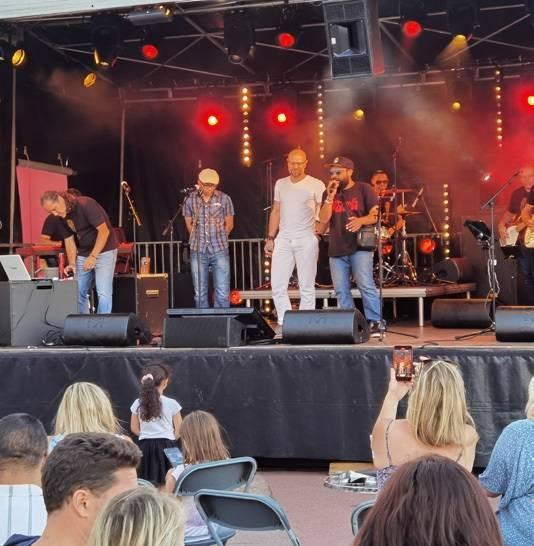
The crisis triggered by the Covid-19 pandemic has dealt a significant blow to local entertainment venues across Ile-de-France, fundamentally altering their economic landscape. Many venues have confronted prolonged closures and drastic capacity restrictions, which have led to steep drops in revenue and employment. Small theaters, music halls, and cinemas, often operating on thin margins, have been particularly vulnerable, struggling to cover fixed costs despite government aid. The financial strain has manifested in varied ways, including delayed renovations, postponed programming, and outright closures, threatening the rich cultural tapestry these places contribute to the region.
Beyond economics, the social fabric of communities heavily reliant on these venues has frayed. Entertainment spaces historically function as social hubs where diverse demographics converge, fostering community cohesion and cultural exchange. Restrictions on gatherings have curtailed these interactions, leading to a decline in communal engagement and a palpable sense of isolation among residents. The longer-term social impacts include:
- Reduced cultural participation: Audiences missing out on live events and social experiences.
- Weakened community identity: Loss of venues that serve as local cultural anchors.
- Disrupted artistic careers: Artists and support staff facing unemployment or career shifts.
| Impact Category | Short-Term Effect | Potential Long-Term Outcome |
|---|---|---|
| Economic | 50-70% drop in ticket sales | Permanent venue closures |
| Social | Reduced public attendance | Loss of communal cultural spaces |
| Employment | Job losses in event management | Shift to digital performance modes |
Community Adaptation Drives Innovation in Cultural Engagement During Lockdowns
As social distancing measures redefined daily interactions, local communities in Ile-de-France became hubs of resilience and creativity. Grassroots initiatives flourished, leveraging digital platforms to maintain vibrant cultural dialogues. Residents and organizers rallied to create virtual exhibitions, pop-up drive-in theaters, and neighborhood art exchanges, showcasing a powerful spirit of innovation in the face of isolation. These efforts not only preserved access to culture but also fostered a renewed sense of belonging and mutual support across diverse urban neighborhoods.
Key strategies adopted by communities included:
- Interactive live-streamed performances enabling real-time audience engagement
- Collaborative digital murals and street art projects reflecting shared pandemic experiences
- Mobile libraries and cultural kiosks adapted to safely distribute books and artworks
| Initiative | Format | Community Reach |
|---|---|---|
| Neighborhood Story Circles | Virtual Meetups | 15+ Districts |
| Drive-in Cinema Nights | Outdoor Screening | 10+ Locations |
| Street Art Swaps | Interactive Murals | 20+ Communities |
Strategic Recommendations Aim to Support Recovery and Foster Sustainable Cultural Growth
To revitalize Ile-de-France’s cultural landscape in the aftermath of the Covid-19 crisis, stakeholders must implement a multi-faceted strategy centered on both immediate recovery and long-term sustainability. This involves bolstering financial support for independent venues and artists, enhancing digital infrastructure to expand access beyond physical limitations, and prioritizing innovative programming that reflects the region’s diverse communities. Crucially, partnerships between public institutions, private enterprises, and local cultural actors will foster resilient networks capable of adapting to future uncertainties.
Among key proposals are initiatives aimed at improving venue safety and audience experience, integrating green practices in cultural operations, and promoting educational outreach to cultivate new generations of cultural enthusiasts. The following table outlines core strategic priorities designed to guide coordinated action and maximize impact across the sector:
| Focus Area | Key Action | Expected Outcome |
|---|---|---|
| Financial Aid | Expand grants and emergency funds | Ensured survival of small venues |
| Digital Innovation | Develop hybrid event formats | Broadened audience reach |
| Environmental Sustainability | Adopt eco-friendly practices | Reduced cultural sector footprint |
| Community Engagement | Promote inclusive programming | Strengthened cultural diversity |
- Engagement with local artists and creators to ensure cultural renewal aligns with community needs and identities.
- Investment in training and skill development to empower cultural workers with new competencies in digital production and audience management.
- Monitoring and evaluation frameworks to track progress and adapt strategies dynamically as conditions evolve.
To Conclude
In conclusion, the Covid-19 crisis has profoundly reshaped the landscape of cultural entertainment in Ile-de-France, as detailed by Apur – Atelier parisien d’urbanisme. From disrupted venues to shifts in audience behavior, the pandemic has challenged the region’s cultural sector to adapt rapidly. While recovery efforts are underway, the long-term effects continue to unfold, underscoring the need for sustained support and innovative strategies to preserve the vitality of Ile-de-France’s rich cultural scene.