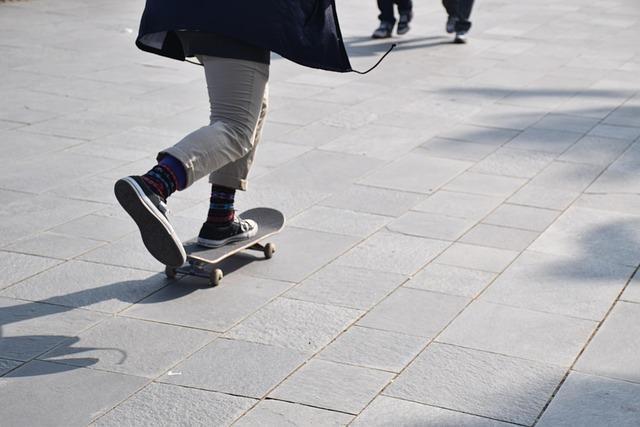
As France gears up for a dynamic sporting year in 2025, new data from Statista reveals which sports activities are capturing the hearts and interests of its population. From traditional favorites to emerging trends, the latest statistics offer a comprehensive snapshot of how French residents are engaging with physical activity across the country. This article delves into the most popular sports in France in 2025, highlighting participation rates, demographic insights, and the cultural significance behind these choices.
Most Popular Sports Activities in France Emerging in 2025
As France steps into 2025, the sports scene continues evolving, capturing the nation’s passion for health, competition, and community. Football remains the undisputed leader, engaging millions across all ages, but emerging trends highlight a fascinating diversification of interests. The rise of urban sports such as parkour and street basketball signals a youthful shift, fueled by vibrant city lifestyles and social media influence. Meanwhile, traditional endurance disciplines like cycling and trail running benefit from growing environmental awareness and the desire for sustainable outdoor activities.
New popular activities not only entertain but foster inclusiveness and innovation within the sporting community. Here are some of the top trending sports capturing French attention in 2025:
- Esports – Competitive gaming has exploded, blending technology with traditional competition.
- Padel Tennis – A fast-paced racket sport gaining rapid popularity in clubs nationwide.
- Slacklining – Balancing skills meet mindfulness in vibrant park environments.
- Ultimate Frisbee – Emphasizing fair play and teamwork, this sport appeals to all age groups.
| Sport | Estimated Active Participants (millions) | Growth Rate (2024-2025) |
|---|---|---|
| Football | 12.5 | +2.1% |
| Esports | 3.8 | +15.2% |
| Padel Tennis | 1.7 | +28.4% |
| Trail Running | 2.9 | +8.0% |
| Parkour | 1.2 | +12.5% |
In-Depth Analysis of Participation Trends Across Age Groups
Participation rates in sports vary significantly across different age brackets, reflecting evolving preferences and lifestyle changes as individuals grow older. Among the youngest demographic, ages 6 to 17, team sports like football and basketball maintain strong appeal, benefiting from school programs and community leagues that encourage social engagement. Conversely, younger adults aged 18 to 34 show a pronounced shift toward fitness-oriented activities such as running, cycling, and gym workouts, which offer flexibility and align with busy urban lifestyles. This age group also demonstrates a rising interest in emerging sports like paddle tennis and crossfit, indicating a trend toward high-intensity, varied workouts.
For those aged 35 to 54, participation tends to stabilize with consistent involvement in swimming, tennis, and golf, favored for their balance of moderate physical exertion and social interaction. The senior segment, 55 and above, predominantly favors low-impact activities such as walking, yoga, and bocce, which prioritize health maintenance and injury prevention. This distribution highlights a distinct pattern in France’s sporting landscape, emphasizing how physical capability, social context, and cultural trends shape the choice of recreational activities over a lifetime.
- 6-17 years: Football, Basketball, Gymnastics
- 18-34 years: Running, Cycling, Crossfit
- 35-54 years: Swimming, Tennis, Golf
- 55+ years: Walking, Yoga, Bocce
| Age Group | Top Sport | Participation Rate (%) |
|---|---|---|
| 6-17 years | Football | 68% |
| 18-34 years | Running | 45% |
| 35-54 years | Swimming | 38% |
| 55+ years | Walking | 54% |
Key Regional Variations Shaping the Sports Landscape
Across France, regional preferences significantly influence the popularity of sports activities, reflecting the diverse cultural and geographical landscape of the country. In the Mediterranean south, water sports such as sailing and kayaking dominate, capitalizing on the extensive coastline and favorable weather conditions. Conversely, northern and eastern regions exhibit a strong affinity for winter sports like skiing and ice hockey, leveraging their proximity to the Alps and the Jura Mountains. Urban centers such as Paris and Lyon showcase a blend of traditional football enthusiasm and emerging interest in eSports, highlighting a generational shift in sports consumption.
These regional disparities also extend to participation rates and spectator interest, with community clubs often centered around local sporting traditions. For instance, rugby holds a cherished position in the southwest, with robust grassroots networks that nurture young talent and maintain rivalry-fueled passion. Meanwhile, the Loire Valley’s vineyards coexist with a growing cycling culture, propelled by major events such as the Tour de France passing through the region annually.
- Mediterranean South: Sailing, kayaking, beach volleyball
- North & East: Skiing, ice hockey, snowboarding
- Urban Hubs: Football, basketball, eSports
- Southwest: Rugby, hiking, trail running
- Loire Valley: Cycling, running events, golf
| Region | Top Sport Activities | Annual Participation Rate (%) |
|---|---|---|
| Mediterranean South | Kayaking, Sailing | 38 |
| North & East | Skiing, Ice Hockey | 42 |
| Urban Centers | Football, eSports | 47 |
| Southwest | Rugby, Trail Running | 35 |
| Loire Valley | Cycling, Golf | 30 |
Strategic Recommendations for Sports Marketers and Organizers
To capitalize on the evolving sports landscape in France, marketers and event organizers should prioritize digital engagement platforms and tailored content that resonates with diverse fan demographics. Emphasizing interactive experiences such as live streaming combined with real-time social media integration can significantly boost viewer participation and brand loyalty. Additionally, leveraging data analytics to understand fan preferences and regional popularity can help in crafting targeted campaigns that maximize outreach and conversion rates.
Investing in grassroots and community-based sports initiatives remains essential for sustained growth. Building strategic partnerships with local clubs and schools not only nurtures future talent but also fosters strong communities around popular sports. Marketers should also consider the rising trend of eco-conscious events by incorporating sustainable practices, which appeal to an increasingly aware audience. Below is a snapshot of recommended focus areas for optimized marketing impact:
- Digital fan engagement: Augmented Reality (AR) apps, fantasy leagues, and personalized content
- Data-driven targeting: Regional popularity metrics and sentiment analysis
- Community involvement: Sponsorships, youth programs, and local tournaments
- Sustainability initiatives: Green events and eco-friendly merchandise
Future Outlook
As the landscape of sports in France continues to evolve, the 2025 data from Statista offers valuable insights into the activities capturing the nation’s interest. From traditional favorites to emerging trends, these figures not only reflect current preferences but also hint at future developments in French sports culture. For policymakers, businesses, and fans alike, staying informed about these popular sports is essential to understanding the dynamic nature of France’s athletic scene in the years ahead.