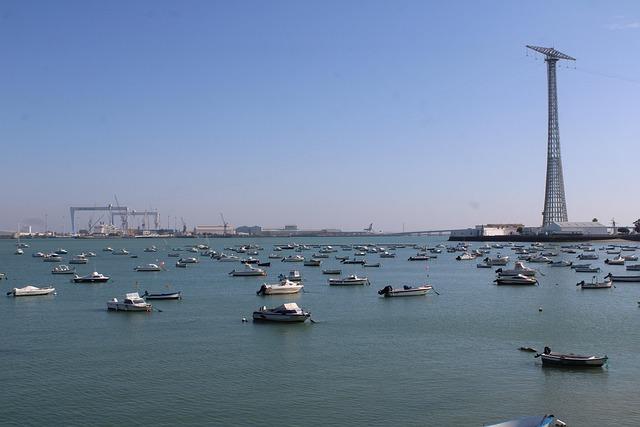
Toulon Naval Base to Simulate Nuclear Accident, Alerts to be Sent to Public
In a significant step towards ensuring public safety and preparedness, Toulon Naval Base is set to conduct a large-scale simulation of a nuclear accident. This exercise, aimed at testing emergency response protocols, will engage various local and national agencies to assess their readiness in the event of a real emergency. As part of the drill, residents in the vicinity will receive alerts on their mobile phones, informing them of the exercise and familiarizing them with the protocols they should follow in case of an actual incident. Authorities emphasize that this initiative is crucial for enhancing community awareness and response capabilities, reinforcing the importance of safety in areas surrounding nuclear facilities.
Toulon Naval Base Conducts Nuclear Accident Simulation to Enhance Preparedness
The Toulon naval base recently staged a critical simulation focusing on the management of a potential nuclear accident, aimed at improving safety protocols and preparedness among military personnel and local authorities. This exercise comes in the wake of heightened awareness of nuclear safety, reinforcing the importance of readiness in the event of a real emergency. Participants included military officials, emergency responders, and representatives from various governmental organizations, who engaged in a series of scenario-based drills designed to test their response strategies and communication efficiency.
As part of the simulation, the public was notified through a comprehensive alert system, underscoring the base’s commitment to transparency and community safety. Residents received immediate notifications on their mobile devices, informing them of the ongoing exercise and providing guidance on safety measures. This initiative not only prepares the base personnel for real-life situations but also educates the public about crucial safety protocols. Key elements of the exercise included:
- Evacuation Procedures: Step-by-step guidelines for residents.
- Crisis Communication: Channels and methods for timely information dissemination.
- Coordination with Local Authorities: Integration of military and civic response plans.
To ensure a thorough evaluation of the simulation’s effectiveness, a detailed review process is planned, with feedback sessions scheduled for all participants. This will facilitate continuous improvement of emergency protocols and enhance collaboration among different agencies. Below is a summary of the main participants involved in the exercise:
| Participant Type | Role in Simulation |
|---|---|
| Military Personnel | Lead response and evacuation efforts |
| Emergency Responders | Implement emergency medical protocols |
| Local Government | Facilitate community communication |
Public Notification System to Ensure Community Awareness During Emergency Drills
The Toulon naval base is set to conduct a vital emergency drill simulating a nuclear accident, aimed at testing its response capabilities and ensuring that the surrounding community is well-prepared for unforeseen incidents. As part of this initiative, residents will receive real-time alerts directly to their mobile phones, keeping everyone informed and engaged throughout the exercise. This proactive communication approach emphasizes the importance of community involvement and awareness, allowing residents to remain calm and informed during emergencies.
Furthermore, the public notification system is designed to streamline communication and provide immediate updates on the situation. Key features include:
- Instant Alerts: Community members will receive timely notifications regarding the drill.
- Safety Resources: Links to safety guidelines and emergency contacts will be provided in the alerts.
- Feedback Mechanism: Residents can voice their concerns or questions via dedicated hotlines.
To illustrate the timeline of events, a simplified schedule of the drill is presented in the table below:
| Time | Activity |
|---|---|
| 09:00 AM | Drill kickoff and initial alert sent |
| 10:00 AM | Community briefings commence |
| 12:00 PM | Simulation debrief and feedback collection |
Expert Insights on Safety Protocols and Community Response Measures
In a proactive measure to enhance safety standards, the Toulon naval base is set to conduct a simulated nuclear accident. This drill aims to evaluate both safety protocols and community response capabilities in the event of an actual emergency. Experts emphasize the importance of clear communication and preparedness, noting that participants will engage in realistic scenarios that mirror potential challenges during a nuclear incident. Key objectives include:
- Testing Emergency Protocols: Evaluating the efficiency of evacuation and response strategies.
- Community Awareness: Ensuring residents understand alert systems and protective measures.
- Coordination Between Agencies: Strengthening collaboration among local, regional, and national emergency services.
Notifications will be sent directly to community members’ mobile phones, utilizing advanced alert systems designed to disseminate critical information rapidly. The integration of technology into these drills is vital, ensuring that individuals remain informed and prepared. Experts recommend that residents familiarize themselves with the specific actions to take during such emergencies, including:
- Staying Indoors: Understanding the significance of sheltering in place to minimize exposure.
- Emergency Kits: Keeping essential supplies readily available, such as food, water, and medical resources.
- Checklists: Creating personalized emergency plans to ensure family safety and quick coordination.
| Emergency Scenario | Response Action |
|---|---|
| Notification of an Accident | Follow official instructions via alert systems |
| Evacuation Order Issued | Proceed to designated evacuation routes |
| Communication Disruption | Utilize emergency radios or community information boards |
Recommendations for Residents on Staying Informed and Prepared for Emergencies
As the Toulon naval base prepares for a nuclear accident simulation, residents are urged to take proactive steps to stay informed and ready. Staying connected is vital; subscribing to local emergency alert systems, such as SMS or mobile app notifications, can provide real-time updates. Additionally, residents are encouraged to follow local news outlets and social media pages for information regarding the simulation and any emerging safety guidelines. Participation in public information sessions can also be beneficial for understanding the measures in place.
Emergency preparedness should be a priority for all households. The following practices are recommended to ensure readiness:
- Develop an emergency plan that includes meeting points and communication strategies.
- Create an emergency supply kit with food, water, batteries, and first aid essentials.
- Understand local evacuation routes and procedures.
Engaging with community resilience programs can also offer resources and training for better preparedness. Joining local groups focused on safety can foster a sense of collective responsibility and encourage stronger community ties, ultimately safeguarding lives in the event of an emergency.
Concluding Remarks
In summary, the Toulon naval base’s upcoming simulation of a nuclear accident marks a significant step in enhancing public safety and emergency preparedness. By proactively engaging the community with real-time phone alerts, authorities aim to ensure that residents are informed and equipped to respond to potential crises. As this exercise unfolds, it serves as a vital reminder of the importance of readiness in the face of unforeseen events. Stakeholders, including the military and local governance, continue to emphasize transparency and collaboration, fostering a safer environment for all. The Connexion will continue to monitor developments in this critical initiative, providing updates and insights into its outcomes.