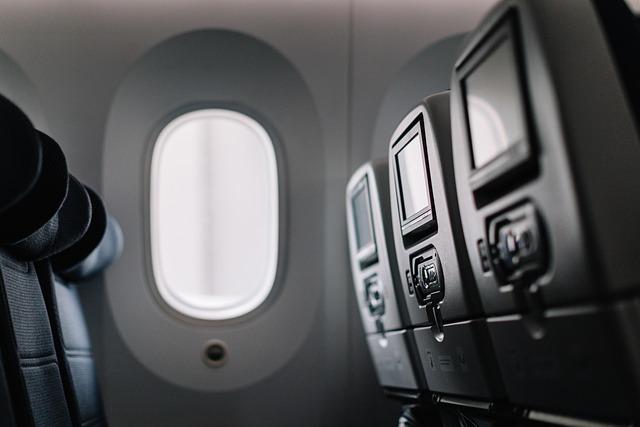
Air France is marking a major milestone in 2026, celebrating 60 years since it first introduced in-flight entertainment aboard its flights. Since the pioneering launch in 1966, the airline has continually evolved its offerings, transforming the passenger experience from basic screenings to today’s cutting-edge digital platforms. This six-decade journey not only reflects advancements in technology but also underscores Air France’s commitment to enhancing comfort and engagement at 35,000 feet. In this feature, Aerocontact.com takes a look back at the history, innovations, and future of in-flight entertainment as seen through the lens of one of the world’s leading carriers.
Air France’s Pioneering Role in Transforming In-Flight Entertainment
From the very beginning, Air France set the standard for in-flight entertainment by pioneering technologies that reshaped the passenger experience. In 1966, it was among the first airlines to introduce personal audio headsets, marking a shift from the collective sound systems previously used onboard. This innovation created a new era of passenger comfort and customization, enabling travelers to enjoy music and radio discreetly throughout their journey. As decades passed, Air France continuously embraced groundbreaking advancements, including the rollout of interactive touchscreens in the 1990s and the integration of live satellite feeds by the early 2000s.
Key Milestones in Air France’s In-Flight Entertainment Evolution:
- 1966: Introduction of personal audio headsets
- 1980s: Implementation of film screenings on long-haul flights
- 1995: Launch of interactive seatback screens
- 2005: First European airline with live satellite TV onboard
- 2015: Introduction of in-flight Wi-Fi and streaming services
| Year | Entertainment Feature | Passenger Benefit |
|---|---|---|
| 1966 | Personal Audio Headsets | Individualized sound experience |
| 1995 | Interactive Touchscreen | On-demand entertainment |
| 2005 | Live Satellite TV | Real-time news and sports |
| 2015 | Wi-Fi Streaming | Internet access at 35,000 feet |
Milestones and Innovations Shaping Six Decades of Passenger Experience
From its humble beginnings in the 1960s with simple overhead speakers and in-flight magazines, Air France has constantly pushed the boundaries of passenger experience through cutting-edge entertainment technology. The airline was among the first to introduce onboard cinematic screenings in the early 1970s, transforming long-haul flights into immersive journeys. By the 1980s, Air France pioneered the use of personal headset systems, allowing travelers to customize their audio choices. The digital age saw a rapid evolution with the introduction of touch-screen video-on-demand consoles in the late 1990s, followed by high-speed onboard Wi-Fi and streaming services that keep pace with passengers’ tech-savvy lifestyles today.
Key milestones over the decades have been driven by innovations designed to enhance comfort and connectivity, crafting a seamless entertainment ecosystem in the skies:
- 1967: First in-flight cinema experience on international routes
- 1983: Introduction of personal audio headsets
- 1999: Launch of individual video screens with multiple language options
- 2015: Rollout of onboard Wi-Fi on transatlantic flights
- 2022: Integration of live TV and personalized streaming platforms
| Year | Innovation | Impact on Passenger Experience |
|---|---|---|
| 1967 | In-Flight Cinema | Introduced visual entertainment, engaging passengers during long flights |
| 1999 | Video-on-Demand | Empowered travelers with content choice and language preferences |
| 2015 | Onboard Wi-Fi | Enabled connectivity for work and leisure simultaneously |
| 2022 | Live Streaming Services | Provided real-time entertainment access matching ground-based options |
The Evolution of Technology Enhancing Comfort and Connectivity Onboard
Over the past six decades, technology has dramatically reshaped the in-flight experience, transforming air travel from a mere means of transportation into a seamless blend of comfort and connectivity. Early innovations, such as Air France’s introduction of bespoke film screenings in the 1960s, have evolved into today’s sophisticated systems featuring on-demand entertainment, live TV, and broadband internet. Modern aircraft cabins now boast features that rival home living rooms, including noise-canceling headphones, touchscreen interfaces, and personalized content libraries that cater to every passenger’s preferences.
Key technological advancements have been instrumental in this evolution:
- High-speed Wi-Fi connectivity, enabling passengers to stay connected with the ground world in real time
- Enhanced seat ergonomics and adjustable lighting to maximize comfort
- Interactive entertainment platforms with a vast array of movies, games, and music
- Real-time flight data and journey tracking accessible via personal screens
| Era | Technology Breakthrough | Impact on Comfort & Connectivity |
|---|---|---|
| 1960s-1970s | Film Screenings & Radio | Introduced basic entertainment, making flights enjoyable |
| 1980s-1990s | Individual Screens & Early Audio | Personalized viewing improved passenger experience |
| 2000s | On-Demand Content & In-Flight Email | Connected travelers to work and leisure |
| 2010s-Present | High-Speed Wi-Fi & Streaming Services | Real-time connectivity vastly enhanced comfort and productivity |
Future Trends and Expert Recommendations for Next-Generation In-Flight Entertainment
As Air France looks ahead to the next decades of in-flight entertainment (IFE), industry experts emphasize the transformative power of artificial intelligence (AI) and augmented reality (AR) to create hyper-personalized experiences for passengers. AI-driven recommendation engines will tailor content seamlessly to individual preferences in real time, while AR could revolutionize seatback screens by layering immersive visuals over cabin environments. Additionally, sustainability remains a cornerstone; airlines are expected to integrate eco-friendly hardware and cloud-based streaming to reduce the carbon footprint associated with traditional IFE systems.
Experts also recommend leveraging a multi-sensory approach combining sound, touch, and visual stimuli to elevate passenger engagement. Technologies such as haptic feedback seats and 3D audio promise to complement video content, transforming passive viewing into a fully immersive journey. Innovation will extend beyond entertainment—embedding wellness, connectivity, and social interaction directly into platforms to craft comprehensive in-flight ecosystems.
Key focus areas include:
- Seamless integration of personal devices for a flexible, BYOD (Bring Your Own Device) experience
- Real-time language translation to bridge cultural communication gaps
- Biometric authentication to customize content securely and efficiently
- Interactive live content, including virtual tours and live events
| Trend | Impact | Timeframe |
|---|---|---|
| AI Personalization | Enhanced content relevance | 1-3 years |
| Augmented Reality | Immersive viewing experiences | 3-5 years |
| Sustainability Focus | Lower carbon emissions | Continuous |
| Multi-Sensory Engagement | Deeper passenger interaction | 4-6 years |
To Conclude
As Air France marks six decades of pioneering in-flight entertainment, the airline’s journey from simple audio offerings to today’s immersive digital experiences underscores its commitment to passenger comfort and innovation. Celebrating 60 years from 1966 to 2026, Air France not only honors its rich legacy but also sets the stage for the future of air travel entertainment. This milestone reaffirms the airline’s role as a trailblazer in enhancing the flying experience, promising continued advancements that keep passengers connected and engaged at 35,000 feet.

![Protoje & The Indiggnation in Lille France @ Le Splendid (Full Concert) [4/5/2026] – Reggaeville.com](https://news-france.info/wp-content/uploads/2026/09/68695-protoje-the-indiggnation-in-lille-france-le-splendid-full-concert-4-5-2026-reggaeville-com-450x300.jpg "Protoje & The Indiggnation in Lille France @ Le Splendid (Full Concert) [4/5/2026] – Reggaeville.com")