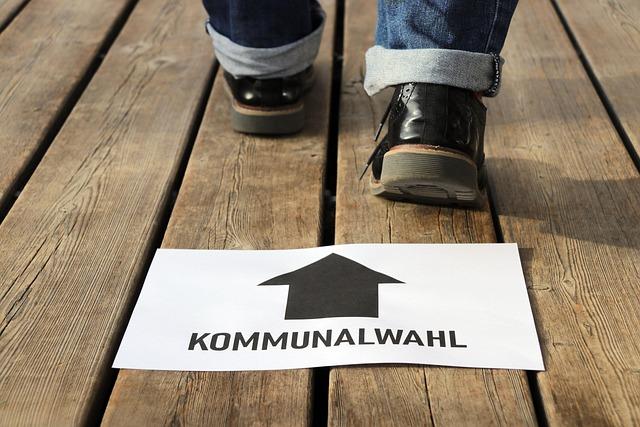
In the wake of the recent French municipal elections, the political landscape remains as complex as ever, particularly for the left-wing coalition of the Socialist Party and La France Insoumise (LFI). While their alliance aimed to consolidate support and counter the rising influence of right-wing factions, the results reveal a mixed bag of outcomes across the nation’s communes. As urban centers experienced varying degrees of success, the implications of these electoral shifts raise crucial questions about the future direction of progressive politics in France. This article delves into the dynamics at play, analyzing the coalition’s performance and its potential repercussions on national politics as the country navigates uncharted waters in its local governance.
French Municipal Elections Explore the Dynamics of Socialist-LFI Collaborations
In recent municipal elections across France, the collaboration between the Socialist Party (PS) and La France Insoumise (LFI) has illustrated a complex political landscape marked by both challenges and opportunities. The alliances formed in several key regions aimed to consolidate leftist support against the backdrop of rising right-wing influence. Noteworthy outcomes included:
- Strategic Alliances: Local parties rallied to create a unified front in major cities, like Paris and Lyon, enhancing their visibility.
- Voter Reception: While some constituencies reported increased voter turnout, others remained skeptical of the effectiveness of these partnerships.
However, the results were mixed, showcasing the difficulties faced by the left in harmonizing diverse ideological perspectives. In certain areas, the joint candidates failed to resonate with traditional Socialist voters, causing fractures within the electorate. A closer look at voter sentiment reveals:
| Region | PS Candidates | LFI Candidates | Outcome |
|---|---|---|---|
| Paris | Yes | Yes | Increased seats |
| Marseille | No | Yes | Minor losses |
| Lyon | Yes | No | Stable representation |
As the left grapples with these outcomes, internal debates about the viability of future collaborations are intensifying. The varying degrees of success and failure in different regions will undoubtedly influence future electoral strategies and the evolving nature of French leftist politics.
Impact of Political Alliances on Local Governance and Voter Sentiment
The recent municipal elections in France have highlighted the complexities arising from political alliances, particularly the coalition formed between the Socialist Party and La France Insoumise (LFI). While these partnerships aimed to unify leftist support against opposing factions, they revealed significant disparities in voter sentiment across different regions. Many voters responded positively to the idea of a unified front but expressed concerns over the diverging priorities and policies of the allied parties. This duality is reflected in the election outcomes, where some municipalities saw a consolidation of leftist power, while others experienced fragmentation and confusion among the electorate.
Moreover, the implementation of these alliances has affected local governance structures and decision-making processes. In several key municipalities, the joint leadership has sparked debates surrounding transparency and accountability, with residents questioning how well these coalitions can represent diverse local interests. The mixed results suggest that while alliances may bolster electoral success in the short term, the long-term impacts on governance and community engagement remain uncertain. Below is a summary table showcasing the election results across key regions:
| Region | Result | Voter Sentiment |
|---|---|---|
| Paris | Continued Socialist Leadership | Strong Support |
| Lyon | Mixed Outcomes | Divided |
| Marseille | Fragmentation | Cautious |
Analyzing the Mixed Outcomes: Successes and Challenges for Leftist Coalitions
The recent municipal elections have illuminated a complex tableau of successes and challenges for the coalitions of leftist parties, particularly between the Socialists and La France Insoumise (LFI). While some regions witnessed a surge in voter enthusiasm, others fell short of the expectations set by the aligned parties. Key victories were noted in urban centers where the coalitions capitalized on a common agenda, but these wins were tempered by substantial losses in areas where local issues took precedence over national ideology.
| Region | Outcome | Key Issues |
|---|---|---|
| Paris | Victorious |
|
| Lyon | Mixed |
|
| Marseille | Challenging |
|
Despite the mixed outcomes, the resurgence of leftist sentiments highlights the potential for future collaboration and a unified platform. However, factions within the parties continue to grapple with ideological rifts, leading to tensions that could hamper long-term strategies. As the political landscape evolves, the left must confront the need for cohesion and adaptability to address not only the immediate concerns of their constituencies but also to forge a path toward greater political relevance.
Strategic Recommendations for Future Electoral Partnerships in France
The recent municipal elections showcased the complexities of electoral alliances in France, particularly between the Socialist Party and La France Insoumise (LFI). Despite some noteworthy victories, the overall mixed outcomes demonstrate that strategic partnerships must be reevaluated. To enhance future electoral collaborations, stakeholders should consider the following recommendations:
- Enhanced Communication: Clear channels of dialogue should be established; this will ensure that both parties can synchronize their campaign messages effectively.
- Shared Policy Goals: Crafting a united platform based on common values can help to minimize ideological rifts and appeal to a broader voter base.
- Targeted Local Strategies: Focusing on local issues and understanding regional demographics will be crucial in tailoring campaigns to resonate with constituents.
Furthermore, analyzing previous electoral outcomes can provide critical insights into what works and what doesn’t. A comprehensive review of successful and unsuccessful candidates within the alliance may reveal patterns worth noting. The table below summarizes key findings from the latest elections:
| Party | Victories | Losses |
|---|---|---|
| Socialist Party | 15 | 10 |
| La France Insoumise | 12 | 8 |
| Joint Candidates | 10 | 7 |
Closing Remarks
In conclusion, the recent French municipal elections have underscored the complexities of Socialist and LFI alliances, yielding a mixed bag of outcomes across the nation’s diverse political landscape. While these coalitions aimed to consolidate leftist support against right-wing competition, the results indicate that voter sentiment remains fragmented. As local governments take shape, the success or failure of these alliances may influence future electoral strategies and the broader trajectory of leftist politics in France. Moving forward, the implications of these results will be closely watched, both by party leaders and by constituents eager for responsive governance. As the political climate continues to evolve, it remains to be seen how these alliances will adapt and whether they will ultimately forge a unified front capable of addressing the pressing challenges facing communities across the country.