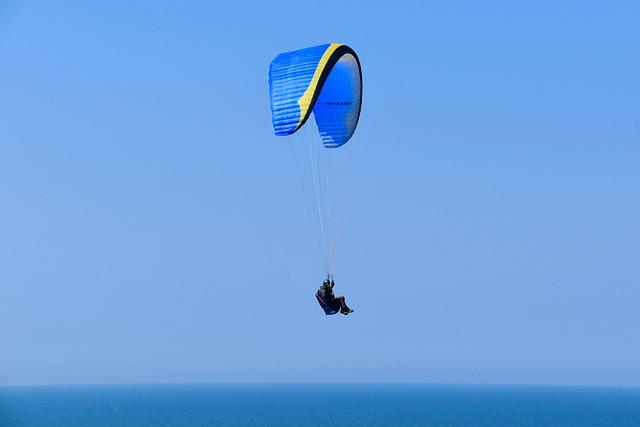
The French sports economy has emerged as a formidable force, with the latest report from Sporting Goods Intelligence Europe revealing a remarkable valuation of €78 billion. This surge highlights the sector’s growing influence on the national economy, driven by robust consumer demand, expanding retail markets, and increased investment in sports infrastructure. As France continues to host major international events and foster athletic innovation, the sports economy stands as a key pillar of economic growth and cultural prominence.
France Sports Economy Shows Robust Growth Driving National Revenue
Recent analysis reveals that the French sports economy has surged to a remarkable €78 billion in valuation, highlighting its critical contribution to the country’s overall financial health. This dynamic growth is fueled by a combination of increased consumer spending on sporting goods, the rise in participation across diverse athletic activities, and the expanding presence of international sports events hosted on French soil. Notably, sectors such as outdoor equipment, fitness technology, and sportswear have experienced robust sales, driving revenue streams and sealing France’s position as a European sports powerhouse.
The proliferation of sports-related enterprises has not only bolstered direct sales but also stimulated ancillary industries including tourism, broadcasting, and digital content creation. Key factors supporting this expansion include:
- Government investment in infrastructure and grassroots sports initiatives
- Strong export performance of French sporting goods to global markets
- Innovation & technology integration enhancing product appeal and engagement
| Sector | 2024 Revenue (€bn) | Growth Rate (%) |
|---|---|---|
| Sporting Goods | 25.4 | 8.3 |
| Event Hosting | 18.7 | 7.1 |
| Sports Tourism | 15.2 | 6.5 |
| Broadcasting & Media | 12.1 | 9.0 |
| Fitness & Wellness | 6.6 | 11.2 |
Key Sectors Fueling Expansion in French Sporting Goods Market
The ongoing growth in France’s sporting goods market is predominantly driven by several key industries experiencing robust demand and innovation. Outdoor and fitness equipment lead the expansion, fueled by a surge in health-conscious consumers embracing active lifestyles. Urban fitness trends and remote work have accelerated sales of home gym gear, while traditional outdoor sports like hiking and cycling have benefited from environmental awareness and government initiatives promoting sustainable mobility. Additionally, the winter sports segment maintains strong sales, supported by France’s prominence as a premier skiing destination.
Meanwhile, technological advancements within the apparel and footwear sectors are revolutionizing the market landscape, introducing performance-enhancing materials and sustainable production methods. The rise of smart sportswear embedded with wearable technology is capturing the interest of younger demographics. Below is an overview of the main contributing sectors and their approximate share of the €78bn market:
| Sector | Market Share (%) | Growth Drivers |
|---|---|---|
| Fitness & Outdoor Equipment | 35 | Health trends, sustainability |
| Apparel & Footwear | 30 | Innovation, smart wearables |
| Winter Sports Gear | 15 | Skiing destination appeal |
| Team Sports & Accessories | 10 | Local clubs, youth engagement |
| Water Sports & Leisure | 10 | Coastal tourism, new activities |
Implications for Stakeholders and Future Investment Opportunities
The surge of the French sports economy to €78bn signals a wealth of opportunities for diverse stakeholders, from manufacturers and retailers to sports clubs and government bodies. For businesses, this momentum encourages investment in innovation—particularly in smart sporting goods and digital engagement platforms. Moreover, sports organizations stand to benefit from enhanced funding and sponsorships as brand partnerships intensify their quest for visibility within an expanding market.
Looking ahead, potential investors should consider emerging segments drawing consumer attention:
- Eco-friendly and sustainable sports equipment
- Virtual and augmented reality fitness experiences
- Health and wellness tech integrated with sports performance
- Urban sports infrastructure development
The following overview encapsulates key investment hotspots, fostering informed decisions:
| Sector | Projected Growth Rate (2024-2027) | Key Drivers |
|---|---|---|
| Smart Sporting Goods | 12% | Wearable tech integration |
| Fitness Apps & Platforms | 15% | Remote training surges |
| Sustainable Products | 9% | Eco-conscious consumer demand |
| Sports Infrastructure | 7% | Urbanization and community programs |
Strategic Recommendations to Sustain Momentum and Enhance Global Competitiveness
To maintain the upward trajectory of France’s sports economy and bolster its position on the global stage, it is essential to focus on innovation-driven growth. Prioritizing investment in digital technologies, such as AI-powered training tools and e-commerce platforms tailored to athletes’ unique needs, can significantly enhance consumer engagement and operational efficiency. Additionally, fostering public-private partnerships will catalyze infrastructure development and expand access to quality sporting facilities across urban and rural areas alike.
Equally critical is the cultivation of a sustainable and inclusive ecosystem that supports local manufacturers while embracing global market dynamics. Key actions include:
- Promoting eco-friendly materials to align with global sustainability trends and attract environmentally conscious consumers.
- Enhancing export capabilities through streamlined regulations and strategic trade agreements.
- Strengthening talent pipelines across all levels, from grassroots participation to elite athlete development.
- Leveraging France’s unique cultural assets in marketing and storytelling to differentiate its sporting goods internationally.
| Strategic Area | Action | Expected Impact |
|---|---|---|
| Innovation | Invest in AI & Digital Platforms | Boost productivity & consumer reach |
| Sustainability | Adopt Eco-friendly Materials | Enhance brand appeal & reduce carbon footprint |
| Export Growth | Simplify trading processes | Increase global market share |
| Talent Development | Expand training and education | Strengthen competitive edge |
Future Outlook
As France’s sports economy reaches a landmark €78 billion, the sector’s robust growth highlights its significant contribution to the national economy. Driven by increased consumer spending, investment in infrastructure, and the popularity of diverse sporting activities, this surge underscores the vital role of sports in France’s economic landscape. Industry stakeholders will be closely watching how ongoing trends shape future opportunities, ensuring that the momentum continues in the years ahead.