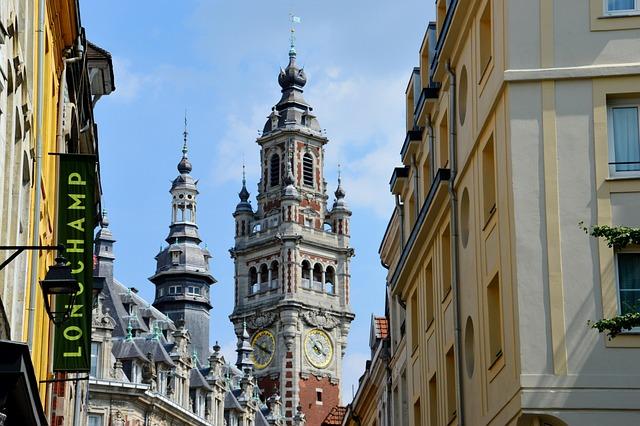
Lille Clinches Bid to Host EU Customs Authority
In a significant win for France, the city of Lille has officially secured the bid to host the European Union Customs Authority, marking a pivotal development in the realm of European trade and regulation. This decision, finalized during a recent meeting among EU member states, underscores Lille’s strategic location and its growing role as a hub for customs operations. Officials are optimistic that this move will not only enhance the efficiency of customs processes across Europe but will also boost Lille’s economy and strengthen its position on the continent. As the EU seeks to streamline operations post-Brexit and adapt to evolving trade dynamics, Lille’s selection is poised to play a crucial role in shaping the future of customs governance within the Union.
Lille Secures Strategic Location for EU Customs Authority
Lille’s successful bid to become the headquarters for the EU Customs Authority marks a significant milestone not only for the city but also for the European Union’s strategic operations. The decision comes as part of a broader initiative to enhance logistical efficiency and streamline customs processes throughout member states. Lille’s geographical advantage, situated at the crossroads of key European trade routes, played a pivotal role in the selection, making it an ideal hub for managing customs regulations and procedures.
The establishment of the EU Customs Authority in Lille is expected to foster economic growth and job creation in the region. With this new authority, Lille will become a center for innovation and coordination, driving advancements in customs technologies and services. Stakeholders anticipate a myriad of benefits, including:
- Increased Trade Efficiency: Streamlining customs processes to cut down delays.
- Enhanced Cooperation: Improved collaboration among EU member states.
- Support for Local Businesses: Creating opportunities for local firms to engage in international trade.
Economic Implications for Northern France and Beyond
The decision to establish the EU Customs Authority in Lille marks a significant turning point for the economic landscape of Northern France. This development is expected to spur job creation, attracting a workforce focused on customs and trade compliance. Local businesses, particularly in logistics and supply chain management, are poised to benefit from enhanced operational efficiency and a streamlined regulatory environment. Investment in infrastructure, such as improved transport networks and digital capabilities, will likely follow suit, providing a boost to both public and private sectors. Key sectors that stand to gain include:
- Logistics and Transportation
- Trade Compliance Services
- Technology Solutions for Customs
Beyond the immediate economic benefits, Lille’s selection may foster stronger cross-border partnerships. Increased collaboration with neighboring European cities could pave the way for innovative trade agreements and customs practices. Such synergy has the potential to elevate Northern France’s stature as a critical hub within the European Union, impacting not just local economies but also regional trade dynamics. A tentative projection of this impact can be illustrated in the following table:
| Year | Projected Job Growth | Economic Contribution (€ million) |
|---|---|---|
| 2024 | 1,500 | 200 |
| 2025 | 3,000 | 400 |
| 2026 | 5,000 | 700 |
Infrastructure Investments to Support New Customs Operations
The decision to host the EU Customs Authority in Lille paves the way for significant infrastructure investments that are crucial to enhance customs operations across the region. Local authorities are already working on a strategic plan that focuses on improving transport links, technological upgrades, and facility expansions to meet the anticipated demands of increased trade and customs processing. Key investments will include:
- Modernized Border Facilities: Upgrades to existing customs processes to streamline inspections and reduce wait times.
- Advanced IT Systems: Implementation of cutting-edge technology for better data management and real-time tracking of goods.
- Increased Training Programs: Enhanced training for customs officials to adapt to evolving regulations and technologies.
To support these initiatives, a dedicated investment budget has been laid out, emphasizing the need for public-private partnerships to leverage additional funding. An expected timeline for these projects includes phased developments over the next few years, ensuring that the local infrastructure aligns with EU standards and facilitates a seamless flow of goods. Details of the investment allocations have been summarized in the table below:
| Investment Category | Allocated Budget (in € million) | Completion Timeline |
|---|---|---|
| Border Facilities Upgrade | 20 | 2025 |
| IT Systems Development | 15 | 2026 |
| Training Programs | 5 | Ongoing |
Stakeholder Reactions and Future Prospects for the Region
Following Lille’s successful bid to host the EU Customs Authority, stakeholders have expressed a mixture of optimism and caution regarding the implications for the region. Local government officials have heralded the decision as a major win, emphasizing the anticipated job growth and economic stimulation that will accompany the establishment of the authority’s headquarters. Lille Mayor, in a recent statement, remarked that this development aligns perfectly with the city’s vision for sustainable urban growth and innovation. Community leaders have echoed these sentiments, highlighting potential benefits such as:
- Increased investment: Attracting businesses that support customs operations.
- Enhanced infrastructure: Necessary upgrades to accommodate increased traffic and transportation logistics.
- Greater collaboration: Opportunities for partnerships between local entities and EU organizations.
However, not all reactions have been entirely positive. Some local residents have raised concerns about the potential strain on public services and rising living costs that may follow. Environmental groups have cautioned that increased activity could impact local ecosystems if not managed responsibly. In response to these valid concerns, officials are planning to address the implications through proactive engagement with the community. A table summarizing key points of concern and stakeholder responses has been compiled for clarity:
| Concern | Stakeholder Response |
|---|---|
| Strain on public services | Commitment to increase funding and resources. |
| Environmental impact | Implementation of sustainability assessments. |
| Rising living costs | Monitoring housing market trends and affordability. |
Concluding Remarks
In conclusion, Lille’s successful bid to host the EU Customs Authority marks a significant achievement for both the city and the broader European Union landscape. This development not only underscores Lille’s strategic importance and commitment to enhancing customs efficiency but also reinforces the EU’s dedication to fostering economic cohesion across member states. As the city prepares to welcome this pivotal institution, stakeholders and residents alike remain optimistic about the potential benefits, including job creation and increased international collaboration. The move signals a promising step forward in the EU’s efforts to streamline customs operations and respond to the evolving challenges of global trade. As the transition unfolds, all eyes will be on Lille as it embarks on this new chapter in its role within the European Union.