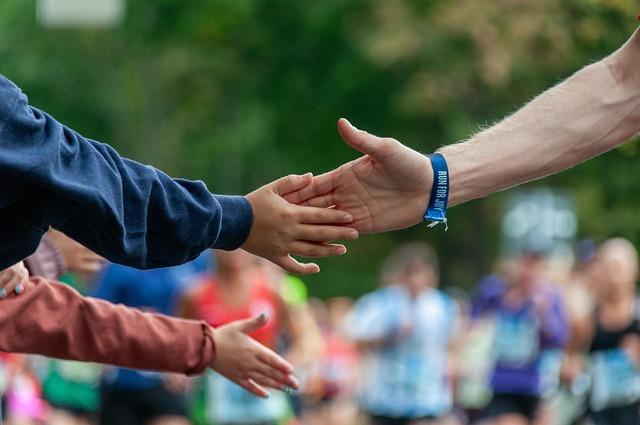
In 2023, the landscape of regular sports participation in France reveals compelling gender-based trends, as detailed in the latest Statista report. The data sheds light on how French men and women engage differently with physical activity, highlighting evolving patterns and shedding light on the broader social and cultural factors that influence sports habits across the country. This article delves into the statistics behind these trends, offering readers an insightful overview of gender disparities and similarities in sports participation across France.
Gender Disparities in Sports Participation Prevail Across France
Despite growing advocacy for equality, the landscape of sports participation in France reveals persistent gender gaps in 2023. Men are consistently more engaged in regular physical activities, often flocking to team sports like football and rugby. Women, while increasingly active, tend to prefer individual sports such as swimming, gymnastics, or fitness classes. This divergence highlights enduring cultural and societal influences shaping sporting choices and opportunities across genders.
Several factors contribute to these disparities, including limited access to female-focused sports programs, lower media visibility, and social stereotypes. Addressing these challenges is critical for fostering inclusive environments that appeal equally to all demographics. Below is a snapshot comparison of participation rates by gender in popular sports disciplines within France:
| Sport | Male Participation (%) | Female Participation (%) |
|---|---|---|
| Football | 38% | 12% |
| Swimming | 20% | 28% |
| Gymnastics | 10% | 25% |
| Fitness Classes | 15% | 22% |
| Rugby | 17% | 5% |
Key Factors Driving Regular Sports Engagement Among Men and Women
Understanding why men and women engage differently in regular sports activities requires examining several underlying factors. Social influences play a major role, where peer encouragement and community support often drive participation among men. Conversely, women tend to be motivated more by health and wellness goals, reflecting a broader trend towards holistic lifestyle choices. Access to facilities and perceived safety can also influence engagement, with women often citing these aspects as critical determinants when choosing sports environments.
Economic and cultural elements distinctly shape sports habits as well. For instance, the availability of time due to work commitments and family responsibilities tends to differ by gender, impacting the frequency of sports participation. Additionally, media representation and marketing strategies target genders differently, often promoting certain sports as more suitable for men or women. These elements combined explain the varying levels of regular participation, emphasizing the need for tailored approaches to encourage greater inclusion.
| Factor | Men | Women |
|---|---|---|
| Motivation | Competition, Socializing | Health, Wellness |
| Time Availability | Higher | Lower |
| Safety Concerns | Lower | Higher |
| Media Influence | Sports-centric | Fitness- & Lifestyle |
- Peer support networks: Crucial in sustained sports engagement for men.
- Health awareness: Major driver encouraging women to participate regularly.
- Facility access: A key consideration influencing women’s involvement.
Regional Variations Reveal Unequal Opportunities for Athletic Involvement
Across France, the frequency of regular sports involvement varies significantly by region, highlighting disparities in access, facilities, and cultural encouragement. In metropolitan areas like Île-de-France, nearly 45% of men engage in sports activities weekly, compared to just 32% of women. Contrastingly, in rural regions such as Bourgogne-Franche-Comté, these figures drop to 28% for men and 17% for women, signaling a more pronounced gender gap where opportunities may be less evenly distributed.
These differences illuminate systemic challenges that contribute to unequal participation opportunities. Regions boasting better infrastructure and targeted community programs tend to support more balanced engagement across genders. Below is a table illustrating selected regional participation rates, outlining the variations clearly:
| Region | Men (%) | Women (%) | Gender Gap (pp) |
|---|---|---|---|
| Île-de-France | 45 | 32 | 13 |
| Provence-Alpes-Côte d’Azur | 40 | 28 | 12 |
| Bourgogne-Franche-Comté | 28 | 17 | 11 |
| Occitanie | 35 | 24 | 11 |
- Urban regions: Generally report higher participation rates due to greater resource availability.
- Gender disparity: Predominantly wider in less densely populated areas.
- Policy implications: Targeted investment needed to bridge gaps and promote inclusivity.
Strategies to Boost Female Participation and Achieve Gender Balance in Sports
Addressing the gender gap in sports requires a multifaceted approach that targets underlying societal norms and infrastructural barriers. One effective method is the implementation of community-based outreach programs that specifically encourage girls and women to participate in sports from a young age. These initiatives often include mentoring by female athletes, accessible workshops, and female-only training sessions which create a supportive environment free of gender bias. Additionally, increasing media coverage and visibility of women’s sports can play a pivotal role in inspiring participation and changing public perceptions.
Institutions and sports organizations also need to adopt robust policies that foster equality, such as equal funding, facility access, and professional development opportunities. Introducing flexible scheduling and family-friendly events can further accommodate the unique challenges women face in balancing sports with other responsibilities. Below is a concise overview of key strategies with measurable outcomes:
| Strategy | Expected Impact | Example |
|---|---|---|
| Targeted Outreach Programs | Increase female youth participation by 30% | Local sports clubs in Paris |
| Equal Funding Policies | Boost women’s sports visibility by 40% | National sports federations |
| Media Campaigns | Enhance public engagement by 50% | Televised national events |
| Flexible Scheduling | Improve retention rates by 25% | Community centers across France |
Insights and Conclusions
In conclusion, the 2023 data on regular sports participation in France underscores persistent gender disparities, with men consistently engaging more frequently in physical activities than women. These figures not only highlight ongoing challenges in achieving gender parity in sports but also signal opportunities for policymakers and organizations to foster more inclusive environments. As France continues to promote active lifestyles, addressing these gaps will be crucial to ensuring that the benefits of regular sports participation extend to all citizens, regardless of gender.