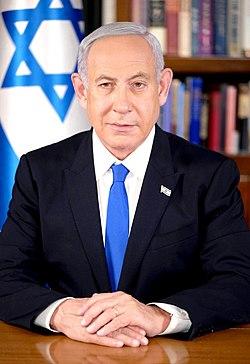
In a significant escalation of diplomatic tensions, Danish Prime Minister Mette Frederiksen has publicly labeled Israeli Prime Minister Benjamin Netanyahu a “problem” amidst ongoing concerns regarding Israel’s policies and actions in the region. Speaking during a recent European Union summit, Frederiksen urged the bloc to consider imposing sanctions on Israel if it fails to adhere to international norms. This statement reflects a growing discontent among European leaders regarding Netanyahu’s governance and its implications for peace and stability in the Middle East. As calls for accountability intensify, the potential for EU sanctions could reshape the landscape of Israeli-European relations, prompting a reevaluation of the longstanding partnerships within the region.
Danish Prime Minister Calls for EU Sanctions Amidst Concerns Over Netanyahu’s Leadership
Danish Prime Minister Mette Frederiksen has expressed increasing alarm over the direction of Israeli leadership under Prime Minister Benjamin Netanyahu. In her recent remarks, she has emphasized that Netanyahu’s policies, particularly in relation to the ongoing conflict with Palestine, have become a significant concern not only for Israel but for the broader European community. She insists that the current trajectory risks further destabilizing the region and undermining efforts for lasting peace, highlighting the need for coordinated action from the EU.
Frederiksen has called for a serious evaluation of potential sanctions against Israel should the political situation continue to deteriorate. She outlined several key points for consideration:
- Human Rights Violations: Concerns over reported abuses in conflict zones.
- Security Risks: Increased tensions leading to violence and unrest.
- International Relations: The need for the EU to uphold its commitments to peace and stability.
As discussions unfold, the Danish PM’s remarks could pave the way for a broader discourse within the EU regarding its unified stance on Israel and the settlements in contested territories.
Impact of Netanyahu’s Policies on EU-Israel Relations: An In-Depth Analysis
The escalating tensions between the European Union and Israel have reached a notable turning point, as Danish Prime Minister Mette Frederiksen openly characterized Israeli Prime Minister Benjamin Netanyahu as a “problem.” This statement underscores a growing discontent within EU member states regarding Netanyahu’s hardline policies, particularly in relation to the ongoing conflict in Palestine. Danish officials have begun to advocate for the EU to consider sanctions against Israel as a means of holding its government accountable for perceived violations of international law. The emphasis on economic consequences reflects a shift in diplomatic strategies aimed at impacting Israel’s stance through financial pressure.
Several factors contribute to this evolving narrative surrounding EU-Israel relations:
- Settlement Expansion: Continued Israeli settlement activities in the West Bank have been a primary concern for European leaders, who view these actions as obstacles to peace.
- Human Rights Issues: Increasing reports of human rights violations have prompted calls for reform and accountability from the EU.
- Public Opinion: Growing anti-occupation sentiments among European citizens have placed additional pressure on political leaders to respond decisively.
An EU response may involve a comprehensive strategy that could include diplomatic isolation for Israel or economic sanctions targeting specific sectors. As tensions mount, it remains to be seen how member states will navigate the complexities of their relationship with Israel while balancing domestic and international pressures.
Examining the Broader Implications of Potential Sanctions on Israeli Society and Economy
The potential imposition of sanctions has sparked significant debate regarding the ramifications for Israeli society and its economy. As calls for sanctions gain traction among European leaders, the complexities of how these measures could impact daily life in Israel come into sharp focus. The Israeli economy, traditionally robust and diversified, may face challenges such as reduced foreign investment, increased costs of goods, and potential retaliatory measures from allied countries. Citizens could experience rising inflation and dwindling access to essential services, which may lead to heightened social tensions within an already divided society.
Moreover, the cultural landscape of Israel may also feel the effects of such punitive measures. Sanctions could result in restrictions on cultural exchanges, international collaborations, and events that promote artistic expression. This could stifle not just the economy but also impede the rich tapestry of Israeli cultural life, as artists and creators grapple with diminished opportunities. In considering these broader consequences, stakeholders must weigh the potential benefits of sanctions against the real toll they could take on the fabric of Israeli society.
| Potential Effects of Sanctions | Short-Term Impact | Long-Term Consequences |
|---|---|---|
| Foreign Investment | Decrease in capital inflow | Long-term economic stagnation |
| Inflation Rates | Immediate rise in costs | Higher living expenses |
| Cultural Exchange Programs | Suspension of collaborations | Loss of international relationships |
Calls for Unity: The Role of EU Member States in Addressing Rising Tensions
The Danish Prime Minister’s assertion that Prime Minister Netanyahu has become a significant concern reflects the growing unease among EU leaders regarding Israel’s policies. As tensions escalate in the Middle East, the call for a collective EU response is gaining traction. Member states are increasingly recognizing their role in fostering dialogue and standing firm against actions that undermine both peace and stability. The urgency of a unified stance is amplified by rising humanitarian issues, with concerns about the potential fallout affecting Europeans and beyond.
To address this complex situation effectively, EU member states could consider several action points, including:
- Evaluating Diplomatic Engagements: Engaging in robust dialogues with Israeli and Palestinian representatives.
- Monitoring Human Rights Violations: Implementing mechanisms to document and address violations in real-time.
- Exploring Economic Solutions: Weighing the impact of potential sanctions while considering the economic repercussions for ordinary citizens.
Such measures demand a coordinated approach, reflecting the EU’s commitment to human rights and regional stability. By underpinning these actions with a strategic communication plan, EU nations can present a united front that prioritizes peace while addressing the complexities of international relations in a sensitive context.
In Retrospect
In conclusion, the comments made by Danish Prime Minister Mette Frederiksen highlight the growing international concern regarding Israeli Prime Minister Benjamin Netanyahu’s policies and their implications for peace in the region. As Europe grapples with the evolving dynamics of the Israeli-Palestinian conflict, the call for potential sanctions reflects a significant shift in diplomatic rhetoric. As the EU navigates its relationship with Israel, the actions taken will not only impact regional stability but also redefine the bloc’s stance on human rights and international law. As the situation unfolds, global observers will be watching closely to see how these diplomatic tensions evolve and what it means for the broader Middle Eastern landscape.