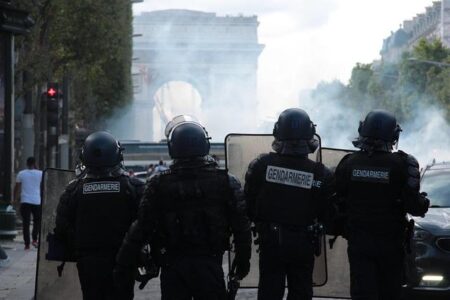
Brazilian President Luiz Inácio Lula da Silva has unveiled a comprehensive anti-organized crime plan in response to escalating security challenges ahead of the upcoming elections. The initiative aims to address a surge in violence and criminal activity that has intensified concerns among voters and authorities alike. As Brazil grapples with rising crime rates, Lula’s administration is under increasing pressure to restore public safety and reinforce law enforcement effectiveness in a politically charged environment.
Brazil’s President Lula Unveils Comprehensive Strategy to Combat Organized Crime
In response to escalating violence and the surge of criminal networks across the nation, Brazil’s government has rolled out a multifaceted plan aimed at dismantling organized crime syndicates. Key elements of the strategy involve enhancing coordination between federal and regional law enforcement agencies, bolstering intelligence capabilities, and increasing investment in community policing. The administration highlighted the plan’s focus on disrupting the financial infrastructure of drug cartels and gang operations, as well as promoting social programs to reduce the recruitment of youth into illicit activities.
The announced measures are also intended to strengthen judicial processes by expediting the prosecution of crime lords and reducing corruption within security bodies. Among the ambitious targets, authorities aim to:
- Increase federal task forces dedicated to organized crime by 30% within the next year
- Deploy advanced surveillance technology in high-risk urban areas
- Enhance cross-border cooperation to combat international trafficking
- Expand reentry and rehabilitation programs for former offenders
| Focus Area | Target Metric | Implementation Period |
|---|---|---|
| Law Enforcement Collaboration | 30% increase in task forces | 12 months |
| Technology Deployment | Surveillance tech in 15 cities | 18 months |
| Judicial Process Reform | 50% faster case resolution | 2 years |
Rising Security Challenges Ahead of Elections Put Pressure on Government Authorities
As Brazil gears up for its impending elections, the surge in organized crime has escalated concerns among government officials tasked with maintaining public order. Recent months have seen a notable rise in violence linked to criminal networks, including heightened activity from drug trafficking gangs and politically motivated extremist groups. Authorities face mounting challenges in securing critical infrastructure and ensuring voter safety, prompting President Lula to announce an ambitious strategy aimed at dismantling these criminal organizations before the polls. The plan emphasizes a multi-agency approach, enhanced intelligence sharing, and increased funding for law enforcement operations.
Key components of the anti-organized crime initiative include:
- Stronger coordination between federal and local police forces to tackle cross-jurisdictional crime.
- Investment in technology such as surveillance systems and data analytics for real-time threat assessment.
- Community engagement programs designed to build trust and encourage public cooperation with security agencies.
- Legal reforms intended to expedite the prosecution of crime syndicates and reduce bureaucratic delays.
This comprehensive strategy underscores the government’s effort to restore confidence ahead of a pivotal electoral period marked by rising tensions and complex security dynamics.
Key Measures Include Enhanced Police Operations and Strengthened Judicial Cooperation
Central to the new strategy is a comprehensive overhaul of police tactics aimed at both intelligence gathering and rapid response. Enhanced operations will include:
- Deployment of specialized federal units focused on dismantling organized crime networks.
- Expansion of surveillance technologies to track illicit activities more effectively.
- Increased training programs designed to improve coordination between local and national law enforcement bodies.
Complementing these measures, judicial collaboration across states is being fortified to ensure swift prosecutions. Efforts comprise:
- Streamlined information sharing channels between courts and police forces.
- Joint task forces comprising prosecutors and investigators to expedite case resolutions.
- Updated legal frameworks to close loopholes exploited by criminal entities.
| Measure | Objective | Expected Outcome |
|---|---|---|
| Specialized Federal Units | Target high-impact crime rings | Reduction in organized crime influence |
| Surveillance Technology Upgrade | Enhance real-time monitoring | Improved intelligence accuracy |
| Judicial Cooperation Protocols | Facilitate fast-tracked trials | Higher conviction rates |
Experts Recommend Community Engagement and Social Programs to Support Long-Term Stability
Authorities and security experts emphasize the crucial role of community engagement and targeted social initiatives in addressing the deep-rooted causes of organised crime. By fostering trust and cooperation between local populations and law enforcement, these programs aim to create a sustainable, bottom-up approach to security that extends beyond immediate police measures. Key recommendations include:
- Strengthening educational opportunities in vulnerable neighborhoods to prevent youth recruitment by criminal groups.
- Implementing job training and employment drives to reduce economic desperation that fuels illicit activity.
- Establishing community centers as safe spaces for dialogue, cultural activities, and conflict resolution.
Experts warn that without integrating social policies into the anti-crime agenda, efforts may fail to yield lasting peace. Collaborative partnerships between government agencies, NGOs, and local leaders form the backbone of these initiatives, helping to rebuild social fabric and resilience. The following table outlines the core social programs proposed to complement law enforcement efforts:
| Program | Objective | Target Group |
|---|---|---|
| Youth Empowerment Workshops | Skill development & mentorship | At-risk adolescents |
| Community Policing Initiatives | Build trust & improve cooperation | Local residents & officers |
| Job Creation Schemes | Economic stability & crime prevention | Unemployed youth & adults |
In Retrospect
As Brazil approaches its upcoming elections, President Luiz Inácio Lula da Silva’s bold anti-organised crime initiative signals a strategic effort to address escalating security concerns that have unsettled the nation. While the plan’s implementation faces significant hurdles, its success will be critical not only for restoring public safety but also for shaping the political landscape in the months ahead. Observers will be closely monitoring the government’s ability to navigate Brazil’s complex criminal networks and deliver tangible results before voters head to the polls.