Discovering the Dark Majesty of Clermont-Ferrand’s Cathedral: A Marvel of Black Lava Stone
In the heart of France’s Auvergne region, the city of Clermont-Ferrand boasts a striking architectural gem that stands as a testament to nature’s influence on human creativity. The Cathedral of Notre-Dame-de-l’Assomption, constructed entirely from black lava stone, not only captivates visitors with its dramatic facade but also tells a unique story of resilience and artistry. This imposing Gothic structure, with its deep-hued exterior, reflects the volcanic heritage of the surrounding landscape, offering a compelling blend of geological history and spiritual significance. As we delve into the intricacies of this magnificent cathedral, we explore the materials, techniques, and cultural narratives that have shaped one of France’s most distinctive landmarks.
Exploring the Unique Architecture of Clermont-Ferrand’s Lava Stone Cathedral
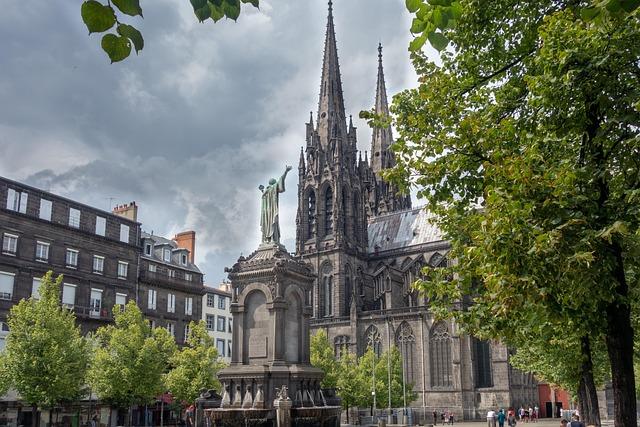
The cathedral of Clermont-Ferrand stands as a striking testament to the region’s volcanic heritage, crafted entirely from the black lava stone sourced from the nearby Chaîne des Puys. This unique material not only influences the cathedral’s dramatic aesthetic but also echoes the geological history of Auvergne. The edifice boasts intricate Gothic features, including soaring spires and elaborate facades that draw the gaze of visitors and locals alike. Within its walls, the interplay of light and shadow creates a majestic atmosphere that invites contemplation and reverence.
Architectural highlights of the structure include:
- Two iconic towers: Rising majestically, these towers define the skyline of Clermont-Ferrand.
- Majestic stained glass windows: Each window tells a story, illuminating the interior with vibrant colors.
- Exquisite stone carvings: Crafted with precision, these details showcase the artistry of medieval masons.
| Feature | Detail |
|---|---|
| Height | 96 meters |
| Year Completed | 1884 |
| Architectural Style | Gothic |
The Historical Significance of Volcanic Stone in French Gothic Design
The use of volcanic stone in French Gothic design represents a remarkable synthesis of local resources and architectural innovation. The iconic black lava stone sourced from the Auvergne region has not only influenced the aesthetic but also the structural integrity of buildings like Clermont-Ferrand’s cathedral. This unique material’s resilience contributes to the longevity of such structures, allowing them to withstand the test of time while also showcasing a distinctive dark hue that contrasts sharply with the colorful stained glass typically associated with the Gothic style.
Historically, the choice of volcanic stone underscores the regional identity and cultural heritage of its area. The adaptability of this material has enabled architects to explore intricate designs and ornamentation that characterize Gothic architecture. Key attributes include:
- Local Sourcing: Reducing transportation costs and fostering community craftsmanship.
- Durability: Resisting weathering and enhancing the cathedral’s lifespan.
- Visual Impact: Creating dramatic silhouettes against the skyline.
This approach not only reflects the architectural trends of the period but also a profound respect for the environment, celebrating the geology of the region through art and design.
Visitor Guide: Best Times to Experience the Cathedral’s Majestic Beauty
For those eager to witness the stunning beauty of Clermont-Ferrand’s cathedral, timing is everything. The interplay of light and shadow across its black lava stone façade varies dramatically throughout the seasons. Spring, particularly April to early June, is a fantastic time to visit. The soft sunlight in these months illuminates the intricate carvings, bringing out the cathedral’s details while neighboring blooms create a picturesque backdrop. Autumn, especially from late September to November, offers its own charms; the crisp air and vibrant leaves enhance the cathedral’s austere elegance. The evening light during these months can transform the stone into a warm, almost inviting hue, a stark contrast to its somber material.
For a more intimate experience, consider visiting during the early hours or late afternoons. The golden hour—an hour before sunset—casts a warm glow on the cathedral and reveals textures often missed during peak hours. Additionally, attending one of the many services or concerts held inside can provide a unique perspective, both spiritually and architecturally. It’s a time when the interior comes alive with sound, creating an ethereal atmosphere that encapsulates the essence of this historic monument.
Local Insights: Nearby Attractions and Dining Options for Tourists
For those exploring Clermont-Ferrand, the majestic Cathedral of Notre-Dame-de-l’Assomption isn’t the only gem worth visiting. Just a stone’s throw away, you can discover the vibrant squares and local markets that pulse with life and culture. Visitors can stroll through Place de Jaude, where they can enjoy street performances and sample local pastries from charming cafés. Another must-see is the Puy de Dôme, a stunning volcanic dome offering breathtaking views of the Auvergne region. For a truly immersive experience, consider hiking the trails that weave around this geological marvel.
When it comes to dining, Clermont-Ferrand showcases a mix of traditional cuisine and modern culinary artistry. Check out the following dining options to savor local flavors:
| Restaurant | Cuisine |
|---|---|
| La Soute | Traditional Auvergnat dishes |
| Les Cocottes | French bistro flair |
| Ô Garçon! | Contemporary fusion |
| Le Gout des Autres | Vegan and vegetarian options |
From cozy bistros to upscale eateries, the culinary scene in Clermont-Ferrand is as rich and varied as its history. Don’t miss the chance to try local specialties, such as Cantal cheese and pounti, a savory pudding that epitomizes the region’s flavors.
Final Thoughts
In conclusion, the Cathedral of Clermont-Ferrand stands as a remarkable testament to both architectural ingenuity and the unique geological landscape of the Auvergne region. Built entirely from black lava stone, this stunning edifice not only captivates visitors with its striking appearance but also tells a story of resilience and adaptation through the centuries. As the city continues to evolve, the cathedral remains a timeless symbol of heritage and identity. For travelers and architecture enthusiasts alike, a visit to Clermont-Ferrand offers not just a glimpse of history, but an opportunity to appreciate the artistry and natural beauty that define this unique locale. With its rich narrative woven into the very fabric of its construction, the cathedral will undoubtedly continue to inspire future generations.

![Protoje & The Indiggnation in Lille France @ Le Splendid (Full Concert) [4/5/2026] – Reggaeville.com](https://news-france.info/wp-content/uploads/2026/09/68695-protoje-the-indiggnation-in-lille-france-le-splendid-full-concert-4-5-2026-reggaeville-com-450x300.jpg "Protoje & The Indiggnation in Lille France @ Le Splendid (Full Concert) [4/5/2026] – Reggaeville.com")