When Popes were French in Avignon: A Glimpse into a Unique Chapter of Church History
In the heart of southern France, the once-picturesque city of Avignon was the epicenter of a papal dilemma that would shape the church’s future for nearly 70 years. From 1309 to 1377, seven successive popes made Avignon their home, leading to a period known as the Avignon Papacy. This notable shift from Rome to Avignon not only altered the dynamics of spiritual authority but also left a lasting imprint on the political and cultural landscapes of Europe. As historians and scholars prepare to commemorate this significant era, we delve into the motivations behind the popes’ relocation, the intricate relationships that formed, and the enduring legacy of a time when the papacy was unequivocally French. Join us as we explore the complexities of the Avignon Papacy through the lens of contemporary analysis and historical reflection.
Understanding the Avignon Papacy: A Pivotal Shift in Church History
The Avignon Papacy, spanning from 1309 to 1377, marked a critical turning point in the history of the Catholic Church, as it saw seven successive popes ruling from the southern French city of Avignon instead of Rome. This relocation was largely influenced by political turbulence in Italy, specifically the factional strife of the time, which left the Vatican vulnerable and the pontiff’s authority wavering. During this period, the papacy became heavily intertwined with French politics, leading to a perception of diminished independence and raising questions about the Church’s broader spiritual authority. Key figures, such as Pope Clement V and his successors, prioritized stability and control, often aligning closely with the interests of the French crown.
This era continues to resonate within theological and historical discussions, as it led to significant developments in church governance and an eventual crisis of legitimacy. The schism following the return to Rome catalyzed ongoing debates about church reform and the need for greater accountability. Among the notable outcomes were shifts in *papal influence and church hierarchy*, and the official acknowledgment of pluralism in ecclesiastical matters brought forth by the emergence of rival claimants to the papacy. The Avignon period is often viewed as a historical lesson on the complexities of power relationships within the Church and their enduring effects on Christianity as a whole.
The Cultural Impact of French Popes: Art, Architecture, and Influence
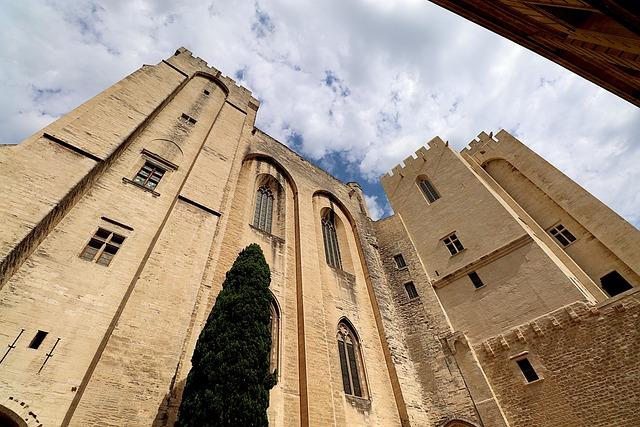
The period of French Popes in Avignon, spanning from 1309 to 1377, marked a transformative chapter in the history of the Catholic Church, significantly influencing art and architecture throughout Europe. This era fostered a breathtaking convergence of piety and creativity, as popes commissioned magnificent works that reflected both spiritual devotion and humanistic ideals. Notably, the construction of the Palais des Papes in Avignon stands as a monumental testament to ecclesiastical power and artistic ambition, blending Gothic architecture with opulent interiors. Artists and craftsmen flocked to the papal court, giving rise to a flourishing of liturgical art, frescoes, and illuminated manuscripts which enhanced the visual language of the church and attracted pilgrims from all directions.
The impact of the French papacy extended beyond mere aesthetics; it also laid the groundwork for the evolving relationship between church and state in Europe. With the papacy established in Avignon, the cultural and political influence of France intensified. The popes engaged in diplomacy that affected not only religious dynamics but also cultural exchanges between regions. This era saw advancements in education, literature, and civic architecture, as noted in the following table summarizing key cultural contributions during this unique papal reign:
| Contribution | Description |
|---|---|
| Gothic Architecture | Creation of the Palais des Papes, blending grandeur with functionality. |
| Liturgy | Development of intricate liturgical art that enhanced worship. |
| Cultural Diplomacy | Promotion of alliances that influenced political landscapes across Europe. |
| Education | Advancements in theological studies through the establishment of schools. |
Challenges and Controversies: Political Turmoil during the Avignon Period
The Avignon period, spanning from 1309 to 1377, was marked by significant political turbulence as the papacy relocated to France. As the popes resided in Avignon, a delicate balance of power emerged, intertwining religious authority with the challenges of national politics. Key conflicts arose not only between the papacy and the emerging Italian city-states but also among the French crown and the various factions vying for control. Important factors included:
- The struggle for autonomy: Italian city-states sought to diminish French influence.
- Power shifts within the church: As cardinals were primarily French, accusations of favoritism ran rampant.
- Nationalism vs. Faith: Local leaders began to question the legitimacy of a French papacy.
This period is not just a footnote in papal history but a testament to how the intertwining of ecclesiastical and state interests can lead to crisis. The Western Schism followed swiftly after, as rival popes claimed legitimacy, with factions supporting both Roman and Avignon lineages. This led to a splitting of loyalties among the faithful and a fracturing of the church’s influence across Europe. Discussing this schism, the table below highlights the key players and their supporting factions:
| Key Figure | Affiliation |
|---|---|
| Benedict XIII | Avignon Pope |
| Urban VI | Roman Pope |
| Clement VII | Pope (Antipope in Avignon) |
Lessons from Avignon: Insights for Modern Church Leadership and Governance
During the Avignon Papacy, the Catholic Church experienced a remarkable shift that presents valuable lessons for modern church governance. The period, spanning from 1309 to 1377, marked a time when seven consecutive popes resided in France, leading to significant political and spiritual ramifications. One of the most notable insights is the importance of centralized leadership, which allowed the Church to maintain unity and authority amid growing challenges. Today’s church leaders can draw from this historical context to recognize the necessity of strong governance structures that can respond swiftly to both internal and external pressures.
Moreover, the dynamics between the papacy and local powers during this era underscore the need for collaborative relationships with lay leaders, government entities, and other faith communities. By fostering partnerships, modern church leadership can enhance their influence and address contemporary social issues more effectively. Implementing strategic frameworks that promote transparency and accountability could mirror the successful aspects of Avignon’s governance, ensuring that church leadership remains relevant and responsive in today’s fast-evolving landscape.
To Conclude
In conclusion, the era when popes reigned from Avignon marks a pivotal chapter in the history of the Catholic Church and European politics. This complex period, often referred to as the Avignon Papacy, not only shaped the religious landscape but also reflected the intricate interplay of power, politics, and cultural identity in 14th-century Europe. As we explore the significance of this unique historical moment through projects like ITER, we gain insight into how the legacies of past governance continue to influence contemporary society. The lessons from Avignon linger on, reminding us of the enduring impact that centralized authority can wield—whether in the realms of faith or science. Understanding this historical narrative not only enriches our appreciation of the past but also serves as a critical lens through which to examine current structures of power and leadership.