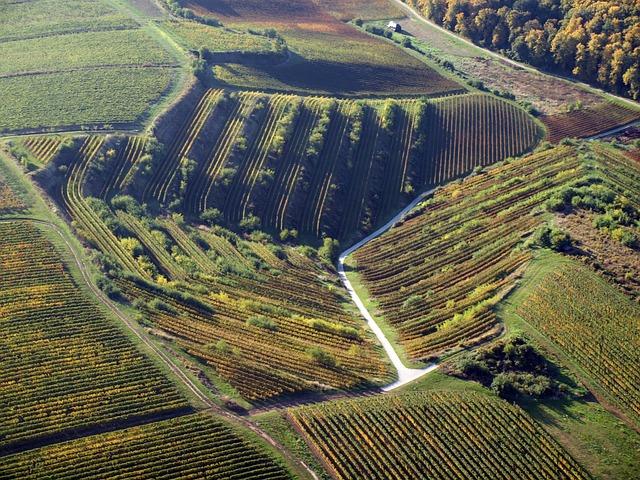
Forget Bordeaux: Unveiling the Allure of France’s Underrated Wine Regions
In the realm of French wines, Bordeaux often steals the spotlight with its internationally renowned vineyards and prestigious labels. However, a growing number of oenophiles are turning their attention to the country’s lesser-known wine regions, where unique varietals and rich terroirs beckon. In an era of exploration and discovery, these hidden gems are carving out their own identities, challenging the dominance of traditional wine powerhouses. This article delves into the vibrant landscape of France’s underrated wine regions, highlighting their distinctive offerings and the passionate producers working to bring them into the limelight. As the wine world continues to evolve, these regions are poised to captivate the palates of those eager to venture beyond the familiar.
Exploring the Hidden Gems of the Languedoc-Roussillon Region
The Languedoc-Roussillon region, often overshadowed by its more famous French counterparts, boasts a remarkable array of landscapes, rich history, and a wine culture that’s ripe for discovery. Nestled along the southern coast of France, this region is where rolling vineyards meet Mediterranean shores, providing an ecosystem that nurtures some of the most unique grape varieties. Visitors can wander through charming villages such as Saint-Guilhem-le-Désert or Pezenas, both steeped in medieval history and bursting with artisanal crafts. The walled city of Carcassonne, a UNESCO World Heritage site, is an architectural wonder that enchants its guests with tales of the past and stunning views.
As you delve deeper into the Languedoc-Roussillon, the wine tour experience reveals an eclectic mix of local varietals that are excitingly distinct from the mainstream Bordeaux offerings. The region is known for its diversity of flavors, largely attributed to its microclimates and the passionate winemakers who embrace traditional practices. A short list of must-try wines includes:
- Picpoul de Pinet: A vibrant white that pairs perfectly with seafood.
- Minervois: A full-bodied red offering complex dark fruit flavors.
- Coteaux du Languedoc: Known for its rich blends and spiciness.
Whether you’re strolling through vineyard trails or savoring local cuisine at rustic bistros, the Languedoc-Roussillon invites exploration and offers wine enthusiasts a chance to taste the heart of Southern France.
Distinctive Varietals: Uncovering Unique Flavors Beyond Bordeaux
Stepping away from the well-trodden paths of Bordeaux opens up a treasure trove of lesser-known French wine regions, each boasting distinctive varietals. In the Loire Valley, for example, you can savor the C t Sauvignon and Chenin Blanc, offering a range of flavors from crisp and zesty to rich and honeyed. Meanwhile, further south in the Languedoc-Roussillon, you’d be remiss to overlook the Carignan and Cinsault varietals that produce vibrant, fruit-forward wines, capturing the essence of Mediterranean sunshine.
When exploring these regions, the Ardèche and Tannat varietals should not be missed. Known for their depth and complexity, they offer a taste experience that’s both bold and refined. Here’s a quick comparison of some standout varietals you might encounter:
| Varietal | Region | Flavor Profile | Aroma Notes |
|---|---|---|---|
| C t Sauvignon | Loire Valley | Crisp, citrus notes | Green bell pepper, floral |
| Chenin Blanc | Loire Valley | Rich, honeyed sweetness | Apple, quince, spice |
| Carignan | Languedoc-Roussillon | Fruity, light-bodied | Red fruits, earthy |
| Tannat | Madiran | Bold, tannic structure | Dark fruit, chocolate |
This exploration not only expands your palate but also supports local vineyards that are often overshadowed by their Bordeaux counterparts. The distinctiveness of these varietals lies in their ability to convey the unique terroir of their regions, inviting wine lovers to embark on a flavorful journey through the less-traveled terrains of French viticulture.
Sustainable Practices and Innovation in French Winemaking
The wine industry in certain underappreciated French regions is experiencing a commendable transformation driven by sustainable practices and forward-thinking innovations. Producers are embracing organic farming techniques, ensuring that their vineyards thrive without synthetic fertilizers and pesticides. This emphasis on sustainability not only protects the local ecosystem but also enhances the quality of the grapes. Some notable practices include:
- Permaculture Techniques: Creating self-sustaining ecosystems that bolster biodiversity.
- Solar-Powered Equipment: Investing in renewable energy for vineyard operations.
- Water Conservation Measures: Implementing drip irrigation and rainwater harvesting systems.
Furthermore, innovation plays a crucial role in the resilience of these wine regions. By harnessing technology, producers are able to monitor climate conditions more effectively and adapt to the changes affecting grape quality. For instance, precision viticulture uses drones and sensors to analyze vineyard health, allowing for tailored interventions. The table below showcases some of the highlighted innovations making waves in the industry:
| Innovation | Description |
|---|---|
| Drone Surveillance | Monitoring crop health and optimizing vineyard management. |
| Biological Pest Control | Reducing pesticide usage by utilizing natural predators. |
| Sustainable Packaging | Using recycled and eco-friendly materials for wine bottles. |
Top Estates to Visit for an Authentic Tasting Experience
For travelers seeking a genuine wine tasting experience, the lesser-known regions of France present a treasure trove of options. Among them, the Loire Valley stands out, renowned for its diverse varietals. Estates like Domaine de la Chevalerie offer organic wines crafted with care, while Château de la Ragotière immerses visitors in the rich history of its vineyards. Here, you not only sample exquisite wines but also engage in guided tours that explain the unique terroirs shaping each bottle.
Moving south, the Roussillon region beckons wine aficionados with its picturesque landscapes and robust flavors. Noteworthy estates such as Domaine Cazes and Mas Amiel provide tastings that highlight the area’s indigenous grape varieties, showcasing the evolution of winemaking methods. Estate tours here often include culinary pairing experiences, allowing guests to savor local dishes alongside their wines. Below is a quick comparison of these remarkable estates:
| Estate | Region | Specialty | Highlight |
|---|---|---|---|
| Domaine de la Chevalerie | Loire Valley | Organic Varietals | Guided Tours |
| Château de la Ragotière | Loire Valley | History-Infused Wines | Tasting Room Experience |
| Domaine Cazes | Roussillon | Indigenous Grapes | Local Culinary Pairings |
| Mas Amiel | Roussillon | Aged Vins Doux Naturels | Traditional Cellar Tours |
In Retrospect
In summary, while Bordeaux continues to dominate discussions around fine French wines, it’s essential to turn our gaze toward the emerging gems of lesser-known regions. From the captivating landscapes of the Loire Valley to the sun-drenched vineyards of Languedoc, these areas are not only producing exceptional wines but also embody a rich tapestry of culture and tradition. As consumers seek diversity in their wine selections and wineries embrace innovation, these underrated regions offer intriguing options for both the casual sipper and the dedicated connoisseur. As the wine world evolves, don’t overlook these hidden treasures—now is the perfect time to explore the untapped potential of France’s diverse winemaking landscape. For a more expansive palate, remember: adventure awaits beyond Bordeaux.