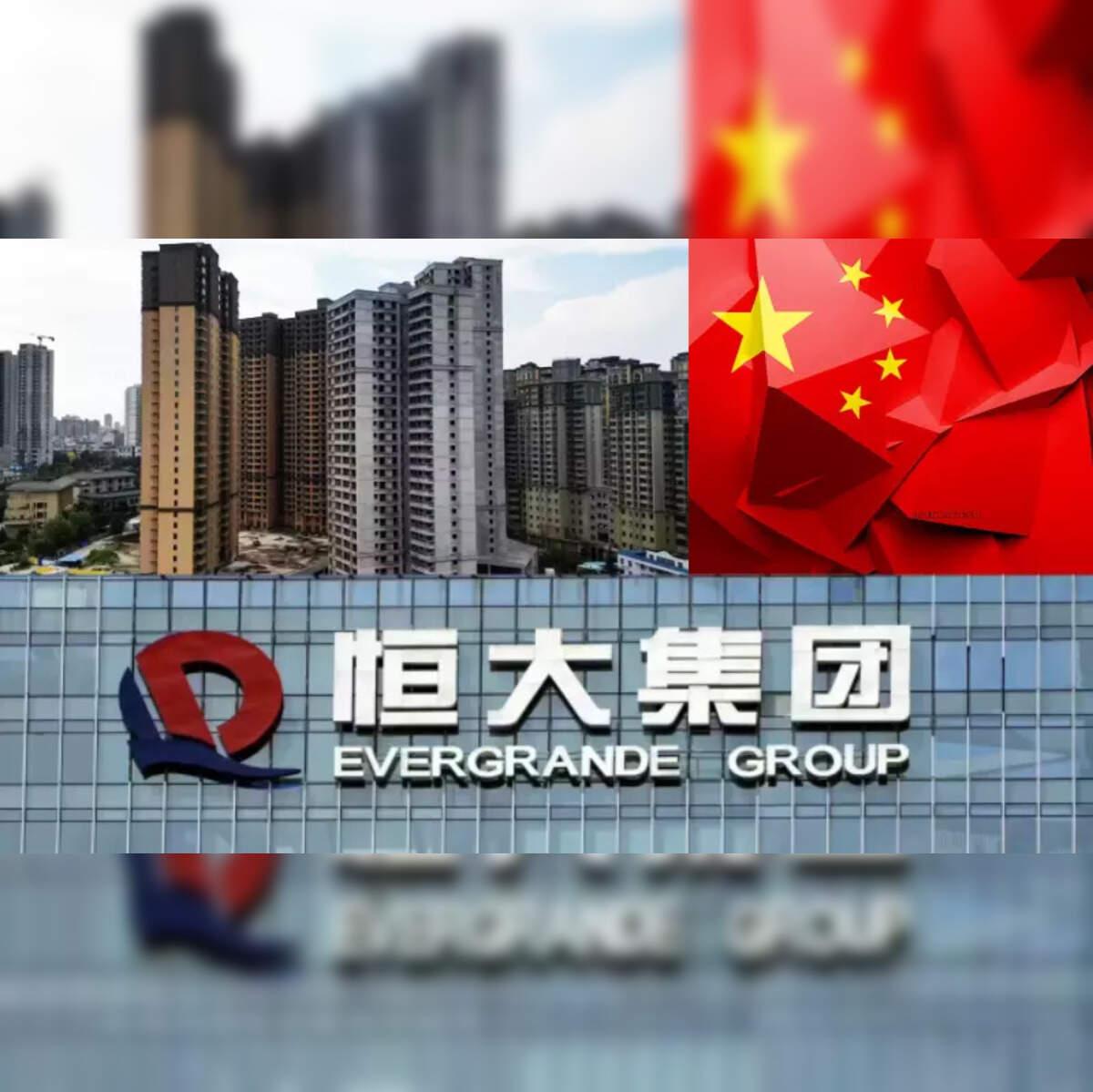
Evergrande Group, once one of China’s largest property developers, has seen its shares officially delisted from the Hong Kong Stock Exchange, marking the latest chapter in the company’s ongoing financial turmoil. After years of mounting debt and a series of missed payments, the delisting underscores the severe challenges facing the real estate sector in China and signals deepening concerns among investors and regulators. This development highlights the ripple effects of Evergrande’s crisis on global markets and the broader economic landscape.
Evergrande Shares Removed from Hong Kong Exchange Marking End of an Era
The decision to delist Evergrande shares from the Hong Kong Stock Exchange is a major milestone that reflects the company’s prolonged financial distress and inability to meet its obligations. Once a dominant force in China’s real estate boom, Evergrande’s collapse has sent shockwaves through global markets, signaling the fragility of heavily leveraged property developers. The delisting comes after years of missed payments, restructuring attempts, and mounting debt that has exceeded 300 billion dollars, making this one of the largest defaults in corporate history.
Key factors leading to the delisting include:
- Regulatory crackdowns on debt-fueled growth in China’s property sector
- Investor confidence erosion due to repeated payment delays
- Government intervention aimed at stabilizing the housing market
- Failure to revive liquidity through asset sales and refinancing efforts
This event highlights broader concerns about the sustainability of China’s real estate market and the ripple effects on global financial stability. Analysts warn that Evergrande’s fate serves as a cautionary tale for investors and policymakers alike in navigating the complex dynamics of rapid economic expansion paired with excessive leverage.
The Impact of Evergrande’s Delisting on Global Real Estate Markets
Evergrande’s removal from the Hong Kong stock exchange marks a significant turning point not only for the Chinese property giant but also for global investors and markets. The delisting has sent ripples across international real estate sectors, raising concerns about liquidity and credit risks. Stakeholders worldwide are reassessing their exposure to firms with heavy debt loads amid fears of potential contagion effects. This event underscores the vulnerabilities in markets heavily reliant on debt-driven growth, prompting calls for greater transparency and regulatory oversight.
The broader implications of this development include accelerating risks in emerging real estate markets and shifts in investment patterns, as financial institutions reconsider asset allocations. Key factors influencing the fallout include:
- Credit tightening: Increased caution among lenders reduces capital availability for property developments.
- Investor sentiment: Heightened wariness impacts stock performance in real estate sectors globally.
- Market volatility: Uncertainty fuels fluctuations in property prices and bond yields worldwide.
- Policy responses: Governments may intervene to stabilize markets and protect economic growth.
| Region | Impact on Real Estate | Key Concern |
|---|---|---|
| Asia-Pacific | Reduced foreign investment | Debt contagion |
| North America | Market precautions | Credit tightening |
| Europe | Stable but alert | Investor sentiment |
| Emerging Markets | Increased risk premiums | Liquidity shortages |
Analyzing the Consequences for Investors and Creditors Alike
Evergrande’s delisting marks a significant setback for both investors and creditors, who have borne the brunt of the company’s spiraling debt crisis. Equity holders face the grim reality of total capital loss after years of stock value erosion, with limited avenues for recovery. Creditors, including banks and bondholders, now confront complicated restructuring negotiations, as asset liquidations are insufficient to cover mounting liabilities. The fallout has reverberated beyond Evergrande’s balance sheet, shaking investor confidence in China’s real estate sector and sparking concerns over systemic risks within global financial markets.
Key repercussions include:
- Diminished investor trust disrupting market liquidity and dampening equity issuance prospects.
- Heightened credit risk leading lenders to tighten lending standards across the sector.
- Protracted legal battles as stakeholders vie for priority in claims during bankruptcy proceedings.
| Stakeholder | Primary Impact | Potential Outcome |
|---|---|---|
| Retail Investors | Loss of investment capital | Minimal recovery prospects |
| Institutional Creditors | Non-performing loans increase | Extended recovery timelines |
| Real Estate Market | Decreased investor appeal | Slowed market growth |
Strategies for Managing Risks in High-Debt Corporate Investments
Investors entering the realm of heavily leveraged companies must prioritize a rigorous due diligence process. This includes a deep dive into the company’s debt structure, interest coverage ratios, and cash flow stability. Understanding how the company plans to service its debt, along with potential refinancing risks, is crucial. Moreover, deploying stress-testing models under various economic scenarios can highlight vulnerabilities in the investment that may not be visible in a stable market environment.
Implementing protective measures can also mitigate exposure to high-debt risk. These include:
- Diversification: Avoid concentrating investments in a single high-debt corporation or sector.
- Covenant Monitoring: Actively track debt covenants and early warning signals of credit deterioration.
- Active Engagement: Maintain investor dialogue with management to influence restructuring strategies.
| Risk Indicator | Threshold | Action |
|---|---|---|
| Debt-to-Equity Ratio | Above 3.0 | Reassess investment position |
| Interest Coverage Ratio | Below 1.5 | Initiate risk mitigation |
| Negative Cash Flow | Consecutive 2 quarters | Evaluate restructuring plans |
Insights and Conclusions
The delisting of Evergrande shares from the Hong Kong stock exchange marks a significant chapter in the saga of one of China’s largest and most indebted property developers. As the company navigates ongoing financial challenges and attempts to restructure its massive debt, stakeholders and markets will closely monitor the implications for the broader real estate sector and the global investment landscape. The Evergrande case continues to underscore the risks inherent in excessive leverage and the complexities of managing corporate crises in an interconnected economy.