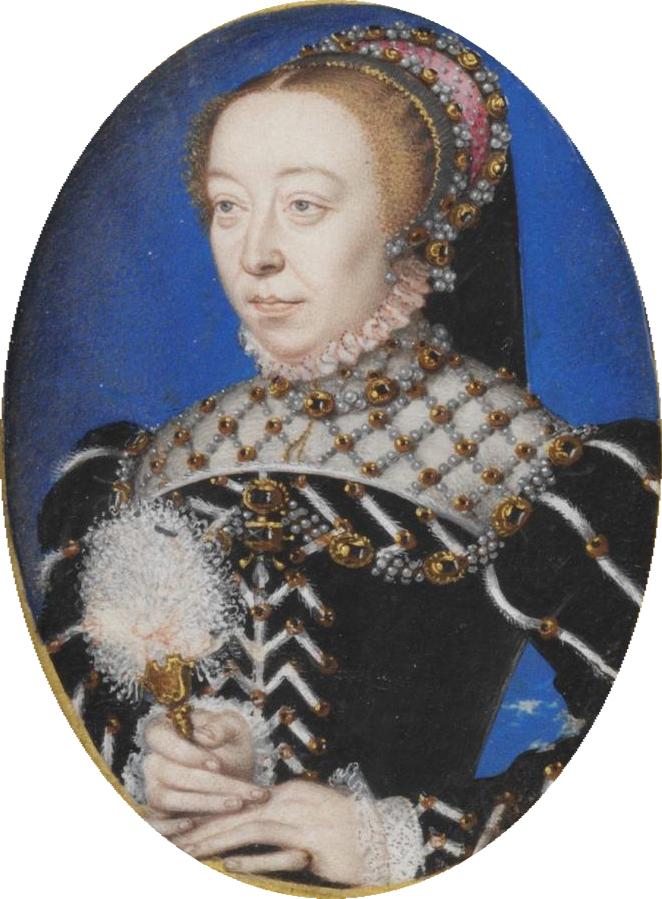
Catherine de’ Medici: The Controversial Queen Behind France’s Political Turmoil
In the tumultuous landscape of 16th-century France, one name looms large: Catherine de’ Medici. As a queen consort and later regent, Catherine’s reign was marked by political intrigue, religious conflict, and a legacy forever entwined with the notorious St. Bartholomew’s Day Massacre. Often portrayed as a manipulative strategist, she navigated the treacherous waters of French politics during a time when Catholic and Protestant tensions escalated into violent confrontations. This article delves into the life and influence of Catherine de’ Medici, examining her pivotal role in shaping a fractious nation and the controversial decisions that would define her legacy and the course of French history.
Catherine de’ Medici and the Political Landscape of 16th Century France
Catherine de’ Medici emerged as a formidable player in the tumultuous political landscape of 16th century France, navigating a climate rife with religious strife and power struggles. Married to King Henry II, her position as queen consort provided her a unique vantage point from which to influence politics, particularly during her widowhood. Following Henry’s death in 1559, Catherine acted as regent for her sons, employing a blend of cunning diplomacy and strategic alliances. She fostered ties through marriage to solidify power, with notable unions that included:
to Henry of Navarre—an attempt to bridge Catholic and Protestant divides - Catherine’s daughters, who were married off to foreign nobles, securing alliances with Spain and Austria
Despite her efforts, the French Wars of Religion saw Catherine’s reputation marred by events such as the St. Bartholomew’s Day Massacre in 1572, where thousands of Huguenots were slaughtered. This brutal crackdown illustrated her desperation to maintain Catholic dominance amid rising Protestant influence. Catherine’s political maneuvers were often seen as ruthless, but they were rooted in a persistent goal: to stabilize a fractured nation. A brief overview of her major policies reveals her complex legacy:
| Policy | Goal |
|---|---|
| Marriage Alliances | Secure political alliances across Europe |
| Religious Tolerance Edicts | Appease Huguenots and foster peace |
| Military Campaigns | Strengthen royal authority and curb rebellions |
The St. Bartholomew’s Day Massacre: A Turning Point in Religious Tensions
The St. Bartholomew’s Day Massacre of August 24, 1572, marks an essential juncture in the ongoing conflict between Catholics and Huguenots in France. The brutal slaughter, initiated under the guise of political maneuvering, left an indelible mark on French society and escalated religious tensions throughout Europe. Following the marriage of Marguerite de Valois to Henry of Navarre, the hope for reconciliation among factions was crushed as thousands of Huguenots, who had gathered for the wedding, fell prey to violence orchestrated by the crown and endorsed by key figures, including Catherine de’ Medici.
The implications of this event were profound and far-reaching:
- Escalation of Conflicts: The massacre intensified the French Wars of Religion, leading to years of brutal conflict.
- Political Alliances: It altered alliances, as many Protestant sympathizers, including foreign powers, grew wary of France’s intentions.
- Cultural Impact: The massacre instigated a deep-seated fear and mistrust between religious communities that persisted long beyond the 16th century.
| Year | Event | Impact |
|---|---|---|
| 1572 | St. Bartholomew’s Day Massacre | Increased violence against Huguenots |
| 1576 | Formation of the Catholic League | Strengthened Catholic opposition |
| 1620 | Departure of Huguenots to other regions | Cultural loss for France |
Manipulation and Power: How Catherine Shaped French Monarchy
Catherine de’ Medici emerged as a pivotal force during the turbulent years of French monarchy, wielding influence that often blurred the lines between politics and manipulation. As the daughter of a powerful Italian family, she brought with her not only a rich cultural heritage but also a keen understanding of political stratagems. Shrouded in controversy, her reign was marked by a series of calculated moves that sought to maintain her family’s power while navigating the treacherous waters of religious conflict. From her manipulation of royal marriages to her role in the infamous St. Bartholomew’s Day Massacre, Catherine’s actions reveal a ruler who was both a patron of the arts and a cunning strategist.
The reluctant queen regent devised numerous tactics to consolidate her power, relying on a mix of diplomacy and discord:
- Strategic Marriages: Catherine married her children into powerful families, seeking alliances to fortify her political standing.
- Puppet Governance: Frequently maintaining a façade of constitutional monarchy, she often operated behind the scenes, subtly directing rulers and policies.
- Religious Manipulation: Exploiting the divisions between Catholics and Protestants, she intensified sectarian conflicts to keep her adversaries preoccupied.
| Event | Year | Outcome |
|---|---|---|
| St. Bartholomew’s Day Massacre | 1572 | Thousands of Huguenots killed, deepening the religious divide. |
| Marriage of Marguerite de Valois | 1572 | Alliance with Huguenots, leading to bloodshed. |
| Politiques Movement | Late 1560s | Promotion of a tolerant political climate. |
Lessons from History: The Implications of Leadership and Conflict Resolution
The tumultuous reign of Catherine de’ Medici offers vital insights into the intricate relationship between leadership and conflict resolution. A skilled diplomat, Catherine wielded power in an era marked by strife and religious discord in France. Her attempts to navigate the turbulent waters of Catholic and Protestant tensions ultimately led to catastrophic outcomes, including the infamous St. Bartholomew’s Day Massacre. This event not only underscores the perils of excessive ambition and poor decision-making but also highlights how historical leaders can significantly shape the trajectory of societal conflicts through their strategies, or missteps, in negotiation and diplomacy.
Furthermore, Catherine’s legacy prompts us to consider essential traits for effective leadership against a backdrop of conflict. Firstly, the ability to foster inclusive dialogue is crucial; while Catherine’s efforts were often marred by manipulation and mistrust, leaders today must strive for transparency and empathy. Secondly, leaders should be cautious of the consequences of divisive policies; Catherine’s pursuit of personal power alienated many factions, ultimately leading to greater instability. In retrospect, examining historical figures like Catherine can inform modern leadership practices, emphasizing the necessity for strategic conflict resolution that prioritizes unity over division.
| Leadership Traits | Lessons from Catherine’s Reign |
|---|---|
| Empathy | Catherine’s manipulation breeds mistrust. |
| Inclusivity | Dialogue is key in conflict resolution. |
| Transparency | Clarity can prevent misunderstanding. |
| Caution | Divisive policies can lead to chaos. |
In Summary
In conclusion, Catherine de’ Medici remains a pivotal figure in the tumultuous history of 16th-century France. Her complex role as a political strategist and matriarch set the stage for one of the darkest chapters in French history—the St. Bartholomew’s Day Massacre. This tragic event, steeped in religious and political strife, underscores her influence on the intricate web of alliances and betrayals that characterized the wars of religion. As historians continue to unravel the layers of Catherine’s life and legacy, it is clear that her actions not only shaped her own era but also left an indelible mark on the future of France. Through a nuanced understanding of her motives and the era in which she lived, we glean insights into the intersection of power, faith, and tragedy that defined a nation in crisis. As we reflect on this complex figure, we are reminded of the profound impact that individual leaders can have on the course of history, often at a staggering cost.