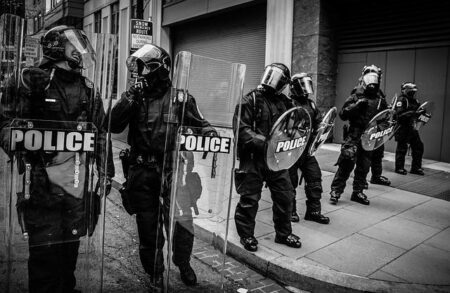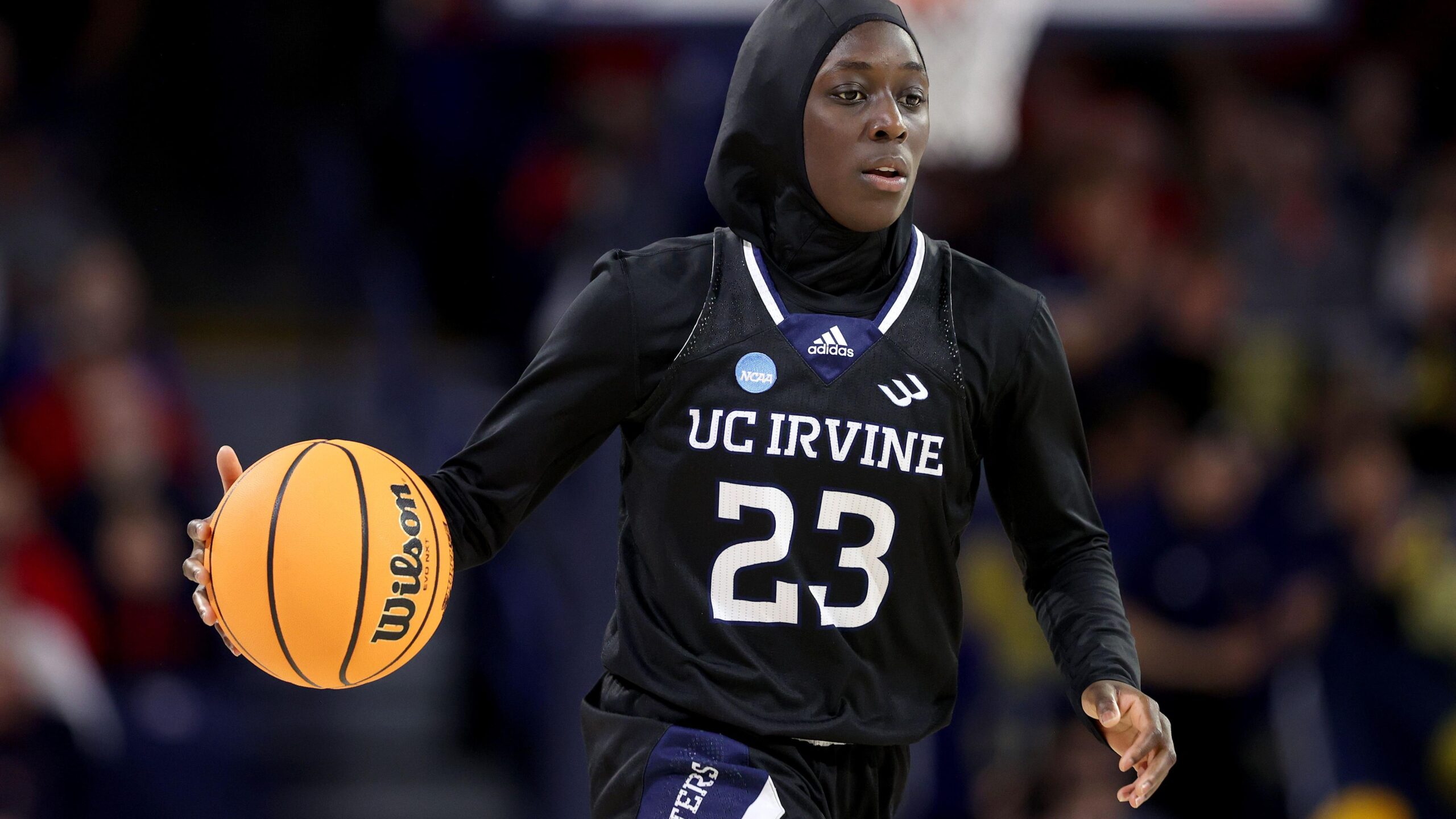
France is once again at the center of a heated debate over religious symbols in public life, as recent proposals seek to ban the wearing of the hijab in sports activities. The move has sparked intense discussions about secularism, gender rights, and freedom of expression, with supporters arguing it upholds the country’s strict secular principles, while opponents see it as discriminatory and exclusionary. This article explores the motivations behind France’s push to prohibit the hijab in sports, the legal and social implications, and the broader context of the nation’s ongoing struggle to balance cultural diversity and laïcité.
Context Behind France’s Move to Ban the Hijab in Sports
France’s decision is deeply rooted in its long-standing commitment to laïcité, or secularism, a principle that seeks to maintain a clear boundary between religion and state affairs. This has fueled a broader debate on religious symbols in public spaces, with sports becoming a new battleground. Authorities argue that allowing the hijab in sports could challenge the idea of neutrality, especially in school and professional environments where France consistently promotes secular values.
Critics of the ban highlight concerns about freedom of expression and religious rights, pointing out that the restriction disproportionately affects Muslim women athletes. Supporters, meanwhile, emphasize themes of equality and safety, citing potential risks if head coverings interfere with gameplay or equipment. This cultural tension plays out against the backdrop of France’s efforts to unify diverse social groups under common republican values.
Implications for Muslim Female Athletes and Inclusivity in Sports
For many Muslim female athletes, the proposed hijab ban in French sports signals a profound obstacle to participation and representation. This policy does not simply regulate attire—it challenges the ability of athletes to express their religious and cultural identities while competing. Excluding the hijab effectively sidelines a significant portion of the population, creating a sports environment that risks being less diverse and less inclusive. The impact is not just personal but collective, sending a signal that conformity to a rigid, secular uniform standard takes precedence over accommodation and respect for individual freedoms.
- Reduced opportunities: Many Muslim women may choose to withdraw from competitive sports rather than compromise their beliefs.
- Psychological impact: Feelings of alienation and exclusion can affect performance and well-being.
- Undermining inclusivity: Sport’s unifying role is threatened when cultural diversity is suppressed.
Globally, the conversation around inclusivity in sports highlights the need to balance uniform regulations with respect for cultural and religious expression. Progressive sports organizations have begun adopting guidelines that allow for religious attire, seeing it as integral to athlete identity rather than a disruption. In comparison, France’s approach risks isolating athletes and fueling broader societal divides. If the goal is truly equality and accessibility in sports, policies must evolve to accommodate diversity. Otherwise, the potential for exclusion will only deepen, contradicting the core values that sport strives to uphold.
Legal and Cultural Debates Surrounding Religious Symbols in Athletics
Across Europe, the presence of religious symbols in sport has ignited a complex debate filled with divergent opinions on secularism, freedom of expression, and cultural identity. In France, the legislation targeting the hijab in athletics is largely framed around the country’s strict interpretation of laïcité—a principle designed to maintain public spaces free from overt religious symbolism. Proponents argue this protects the neutrality of sport, ensuring that athletic competition remains a unifying rather than divisive platform. Critics, however, contend that such bans disproportionately impact Muslim athletes, serving as a barrier to participation and infringing on personal liberties and religious rights.
The clash between legal frameworks and cultural values often manifests in heated discussions about inclusion and discrimination. Key points raised during these debates include:
- Equality of Opportunity: Whether bans prevent equitable access for female athletes from Muslim backgrounds.
- Freedom of Religion: The degree to which athletes should be permitted to express their faith through attire during competition.
- Sporting Integrity: Concerns over safety, uniformity, and the preservation of competitive fairness.
| Argument | Supporting Perspective | Opposing Perspective |
|---|---|---|
| Secularism | Maintains neutrality in public spaces. | Seen as a veil for systemic exclusion. |
| Inclusion | Uniform rules apply to all athletes. | Rules disproportionately affect minorities. |
| Safety | Ensures no restrictive or hazardous apparel. | No documented incidents linked to hijab use. |
Recommendations for Balancing Secularism and Athlete Rights in Sporting Policies
To create sporting policies that respect both the principles of secularism and the individual rights of athletes, a nuanced approach is essential. Policy makers should engage in inclusive dialogues involving athletes, legal experts, and human rights advocates to ensure the policies reflect diverse perspectives. This means recognizing the importance of religious freedoms while maintaining a commitment to secular values that promote neutrality in public spaces. Flexibility in uniform regulations can provide respectful accommodations without compromising fairness or safety in sports.
Practical steps might include:
- Developing clear guidelines that specify the conditions under which religious attire can be allowed in competitions.
- Providing education and training for sports officials on cultural sensitivity and secularism’s role in sport governance.
- Establishing arbitration panels to fairly resolve conflicts between secular policies and athletes’ rights on a case-by-case basis.
| Aspect | Recommended Action |
|---|---|
| Uniform Regulations | Allow adaptable gear balancing safety, decorum, & religious expression |
| Stakeholder Engagement | Involve diverse voices including minorities & secular advocates |
| Conflict Resolution | Set up impartial bodies for policy disputes |
Concluding Remarks
As the debate over France’s proposed ban on the hijab in sports continues, it underscores the broader tensions between secular policies and religious freedoms within the country. Advocates argue the move protects the principles of neutrality and equality in athletics, while critics warn it risks marginalizing Muslim athletes and infringing on individual rights. As France navigates this contentious issue, the implications will resonate not only within the sporting community but also across society’s ongoing discourse on identity, inclusion, and liberty.