Introduction
A recent surge in arrests related to the killing of a prominent French nationalist has intensified scrutiny on far-left groups in France. The incident, which has sparked widespread outrage and unrest, is seen as a critical flashpoint in the ongoing debate over political extremism and public safety. As authorities grapple with the fallout from this tragedy, the implications for France’s complex political landscape loom large, with tensions rising between the far-left and nationalist factions. This article examines the unfolding events, the arrest trends, and the broader societal implications of this tragic incident.
Wave of Arrests Intensifies National Tensions in France
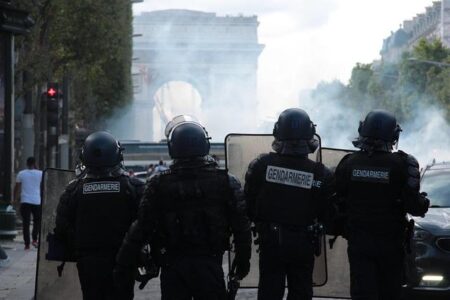
The recent surge in arrests linked to the murder of a prominent nationalist has further strained the already delicate balance of political relations in France. Law enforcement officials have detained over 200 individuals amid escalating tensions between right-wing factions and leftist groups, leading to a volatile public atmosphere. The authorities have justified the crackdown as necessary to curb potential violence and civil unrest, yet critics argue that these actions disproportionately target dissenters and stifle legitimate political expression. Concerns are growing about the implications for civil liberties as protests erupt demanding justice and accountability.
In an unprecedented move, the government has implemented stricter measures to combat what they label as “radical extremism.” Amid this backdrop, various civil rights organizations have raised alarms over potential injustices occurring during these mass arrests. Key issues include:
- Transparency of Arrests: Calls for clearer criteria on how arrests are made.
- Excessive Force: Allegations of police brutality against demonstrators.
- Social Divisions: Increased polarization between ideological groups within society.
As the situation develops, the effectiveness of these tactics in reducing violence remains to be seen. The national dialogue surrounding these events is complicated by deep-seated historical grievances, and many wonder whether the government’s approach will lead to a resolution or further inflame tensions.
Impact of Nationalist Killing on Political Discourse and Far-Left Dynamics
The recent wave of arrests following the killing of a prominent nationalist has ignited fervent debates across political landscapes, revealing sharp divisions in public opinion. Far-left factions, which have historically opposed nationalist movements, find themselves in a precarious position as they grapple with rising accusations of incitement and violence. Key implications include:
- Polarization: The incident has intensified the ideological divide, with far-left groups facing backlash from critics who argue that their rhetoric fosters extremism.
- Security Measures: Authorities are ramping up surveillance and security protocols around far-left gatherings, aiming to preempt potential unrest.
- Public Perception: The left’s image may suffer, as mainstream voters reassess their values in light of the violence, possibly alienating critical voter bases.
Meanwhile, nationalist movements are capitalizing on the controversy to rally support, framing the arrests as an attack on free expression and a sign of growing intolerance. This scenario has led to a re-evaluation of tactical approaches within the far-left, with some leaders calling for a strategic reassessment. Essential considerations involve:
- Rebuilding Trust: Far-left leaders may need to distinguish their agendas from radical elements to regain credibility.
- Coalition Building: Engaging in dialogue with moderate factions could be essential in mitigating the backlash and consolidating political power.
- Media Engagement: Shifting narratives in media coverage will be crucial for framing their response to the incidents and addressing public concerns effectively.
Calls for Accountability: The Role of Law Enforcement in Addressing Far-Right Violence
The recent wave of arrests following the tragic killing of a French nationalist has reignited discussions about the responsibilities of law enforcement in tackling far-right extremism. Police forces face mounting pressure to not only respond to incidents of violence but also to proactively address the ideologies that fuel such actions. This situation highlights the necessity for a comprehensive approach, emphasizing the need for collaboration among various stakeholders, including community organizations, local governments, and intelligence agencies. Moreover, the growing public outcry underscores the demand for transparency and accountability in police actions, particularly concerning the handling of far-right groups.
Specifically, citizens are calling for law enforcement to take more definitive steps in curbing the rise of far-right violence through methods such as:
- Enhanced Surveillance: Monitoring online platforms for hate speech and potential threats.
- Community Engagement: Fostering relationships with local communities to identify and marginalize extremist views.
- Training Programs: Providing law enforcement officers with the tools to recognize and respond to far-right ideologies effectively.
| Action Item | Description |
|---|---|
| Public Awareness Campaigns | Inform communities about identifying and reporting extremist activities. |
| Data-Driven Policing | Utilize analytics to target potential hot spots of far-right activity. |
| Collaboration with NGOs | Work alongside non-governmental organizations to combat hate groups. |
Recommendations for Policy Reforms to Foster National Unity and Security
In the wake of the recent unrest following the arrest wave linked to the killing of a French nationalist, there emerges an urgent need for comprehensive policy reforms that bolster both national unity and security. The government must consider enhanced community engagement initiatives aimed at bridging ideological divides. Such reforms could include:
- Promoting Dialogue Forums: Establish regular forums that encourage constructive discussions among diverse political groups.
- Support for Civic Education: Invest in programs that educate citizens on democratic values, fostering respect and understanding.
- Increased Transparency in Law Enforcement: Implement measures that ensure accountability and build trust between citizens and police forces.
Moreover, a shift towards inclusive policymaking can catalyze a sense of belonging among various factions within society. This could involve:
- Inclusive Representation: Ensure that all political movements, including those on the far left, have a seat at the table during discussions on national policies.
- Social Programs for Marginalized Communities: Design targeted socioeconomic initiatives that address the needs of underrepresented groups to promote equality.
- Conflict Resolution Mechanisms: Establish independent bodies to mediate and resolve disputes before they escalate into violence.
| Policy Initiative | Expected Outcome |
|---|---|
| Dialogue Forums | Enhanced understanding and reduced polarization |
| Civic Education | Increased civic responsibility and engagement |
| Social Programs | Reduced inequality and social tension |
Concluding Remarks
In the wake of escalating tensions following the recent killing of a French nationalist, a significant wave of arrests has underscored the growing scrutiny on far-left movements in France. As authorities intensify their efforts to address what they perceive as a rising threat to public safety, political leaders across the spectrum are grappling with the implications of this crisis. The fallout is expected to reverberate through upcoming elections and broader societal debates regarding extremism, security, and civil liberties. As the situation develops, both the government and opposition parties will likely be forced to confront the complexities of France’s evolving political landscape, making this an issue that will remain at the forefront of national discourse in the weeks to come.