When the Tour de France Meets the Paris-Roubaix Cobbles: A New Challenge for Cyclists
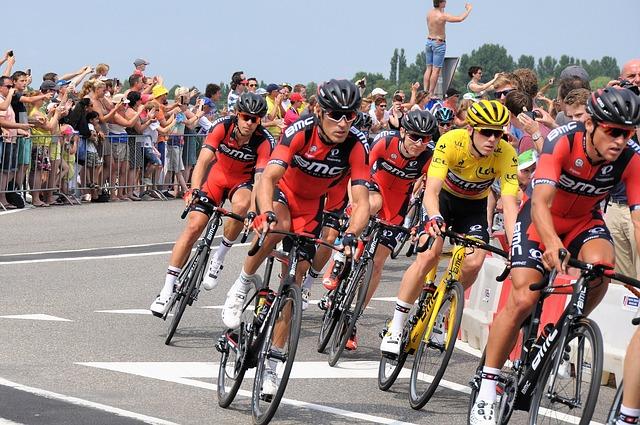
As the world of professional cycling gears up for its most prestigious race, the Tour de France, a unique fusion of grit and glory looms on the horizon. This year, the storied route will incorporate sections of the famed Paris-Roubaix cobblestones, injecting an additional layer of challenge into an already grueling competition. Known for their punishing surfaces and unpredictable conditions, the cobbles present a test not just of endurance but of technical skill and strategic finesse. Cyclists accustomed to the smooth ascents of the Alps and Pyrenees will need to adapt quickly to the jarring impact of uneven stones beneath their wheels. As the sport’s elite prepare to navigate this unprecedented course, fans and experts alike are buzzing with anticipation about how this new twist might reshape the dynamics of the race and the outcomes for its contenders.
The Intersection of Two Iconic Races: A Comparison of Terrain and Strategy
The Tour de France and the Paris-Roubaix present two distinct yet compelling landscapes that dramatically influence the strategies employed by the cyclists. The Tour, typically traversing the gorgeous Alpine mountains and scenic countryside, demands a versatility in both climbing and sprinting. Riders often face steep ascents requiring endurance and tactical racing, particularly when managing energy reserves throughout the grueling three-week event. In contrast, Paris-Roubaix, known as the “Hell of the North,” tests a cyclist’s resilience over treacherous cobbled sections. These rough terrains not only challenge the bike’s mechanics but also require precise handling skills and aggression in racing strategy.
To illustrate the specific demands of each race, consider the differences in preparation and rider focus. Cyclists pursuing the Tour typically emphasize a blend of aerobic strength and climbing prowess, while those gearing up for Roubaix prioritize technical skills and power output on uneven surfaces. This divergence is summed up in the following characteristics:
| Aspect | Tour de France | Paris-Roubaix |
|---|---|---|
| Terrain | Mountainous and flat roads | Cobbled sections |
| Key Skills | Climbing and sprinting | Technical handling and power |
| Race Duration | 21 days | 1 day |
| Strategic Focus | Endurance management | Positioning and aggression |
The stark contrast in race execution underscores that each event is not merely a test of speed but also a battleground for strategic intelligence. Riders must navigate not only the physical challenges but also the mental hurdles posed by varying conditions and their competitors’ strategies. In this tug-of-war between terrain and tactics, the cyclists’ preparations serve as a window into their characters, revealing the essence of what it means to race at the highest levels of this grueling sport.
Rider Preparation: Adapting to the Unique Challenges of Cobblestones
Riders must fine-tune their skills and equipment to confront the notorious challenges that cobblestones present. Stability and balance are paramount in navigating these uneven surfaces, and mastering body positioning can significantly enhance a cyclist’s comfort and control. Cyclists often adopt a lower, more aggressive stance to effectively counteract the jarring impact, which can lead to fatigue over time. Adaptations might include:
- Increased Core Strength: Essential for maintaining posture on bumpy terrain.
- Technique Drills: Practicing on similar surfaces to improve handling.
- Bike Setup Adjustments: Utilizing wider tires and lower pressure to absorb shocks.
Strategies for racing on cobblestones extend to mental preparedness as well. Riders need to cultivate resilience, staying focused amid the physical strain and unpredictable conditions. This mental training pairs effectively with strategic planning, which often involves understanding the specific sectors of cobbles within the route. Key elements to keep in mind include:
| Sector | Length (km) | Difficulty Level |
|---|---|---|
| Sector 1 | 1.6 | Moderate |
| Sector 2 | 2.5 | Difficult |
| Sector 3 | 3.1 | Very Difficult |
Historical Echoes: Lessons from Past Performances on Mixed Terrain
The intersection of the Tour de France and the Paris-Roubaix race creates a fascinating tapestry of cycling history, where grit meets grandeur on the world’s most challenging terrains. Riders face a unique set of challenges that demand not only endurance but also tactical acumen and technical prowess. Historical performances on mixed terrain have consistently illustrated the importance of adaptability in elite racing. Cyclists who excel in these conditions often share common traits, including:
- Strategic Pacing: Understanding when to conserve energy and when to push harder can make or break a race.
- Bike Handling Skills: Mastery of both smooth road and rough cobbled sections is crucial for maintaining speed and stability.
- Team Support: Collaboration with teammates is vital during critical race segments, especially on mixed terrains.
The results from iconic races confirm that greatness often favors those who can navigate the unpredictable. For example, analyzing the last ten years of mixed-terrain competitions highlights key riders who have mastered this art. Below is a comparative table showcasing standout performances in Tours that intersect with cobble-laden challenges, marking moments of triumph:
| Year | Rider | Event | Finish Time |
|---|---|---|---|
| 2015 | Peter Sagan | Tour Stage 4 | 5h 44m |
| 2018 | Greg Van Avermaet | Paris-Roubaix | 5h 55m |
| 2021 | Tadej Pogačar | Tour Stage 6 | 5h 23m |
Spectator Experience: Enhancing Fan Engagement During the Event
As the cobblestones of Paris-Roubaix meet the formidable climbs of the Tour de France, the spectator experience is being revolutionized to further immerse fans in the excitement of the race. Interactive zones are popping up along the route, offering live updates and real-time stats directly to attendees’ smartphones. Fans can dive into the action with augmented reality features that overlay race data onto their views, showcasing riders’ speeds, split times, and even historical context about the challenging sections they’re navigating.
The integration of local culture and community spirit into the spectator experience can be further enhanced through various initiatives aimed at fostering deeper connections. For instance, food stands featuring regional delicacies and drink sampling areas let fans savor the flavors of each race locale. Additionally, dedicated fan zones with giant screens allow for a continuous engagement experience without missing a moment of the action. Below is a quick glance at some engaging features being introduced:
| Feature | Description |
|---|---|
| AR Race Data | Overlay current stats on live video feeds. |
| Fan Zones | Local food, drinks, and a communal viewing experience. |
| Live Polls | Real-time predictions and opinions from the audience. |
To Conclude
As the dust settles on this year’s extraordinary convergence of the Tour de France and the iconic cobblestones of Paris-Roubaix, the cycling world is left buzzing with excitement and debate. This unprecedented intersection of two legendary races has not only tested the mettle of the cyclists but also redefined the narratives surrounding both events. The blend of endurance and grit displayed on those unforgiving pavé sections is a testament to the resilience of the riders and the evolving landscape of professional cycling.
With the roar of the crowd echoing through the streets of France, we are reminded that every pedal stroke is steeped in history, passion, and rivalry. As teams analyze performances and fans eagerly anticipate how this bold venture will shape future editions of both races, one thing is clear: the legacy of the Tour de France and Paris-Roubaix continues to intertwine, forging a new chapter in the annals of cycling. Stay tuned as we follow the ripple effects of this groundbreaking event in the weeks to come.