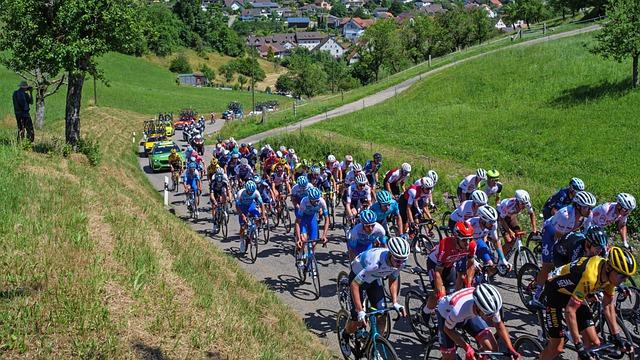
Tour de France Stage 16 Preview: A Flat Run-in Before a Summit Finish on Mont Ventoux
As the Tour de France reaches its penultimate stages, all eyes turn to Stage 16, which promises a dramatic showdown for riders and fans alike. This pivotal stage features a rare flat run-in, setting the stage for a challenging ascent to the iconic Mont Ventoux. Known for its grueling climbs and unpredictable weather, the legendary mountain presents both an opportunity and a perilous test for contenders vying for the yellow jersey. With only a handful of stages remaining, the stakes couldn’t be higher as cyclists navigate the balance between strategy and endurance on one of the sport’s most revered summits. In this preview, we break down the key players to watch, potential strategies, and what history tells us about racing on this storied peak.
Tour de France Stage 16 Overview: Anticipating a Tactical Day of Racing
The 16th stage of the Tour de France promises to be a pivotal moment in the race, combining a flat approach with a daunting summit finish atop the legendary Mont Ventoux. Riders will start the day facing a predominantly flat stretch that allows for tactical maneuvers as teams look to position their sprinters and protect their leaders in the peloton. Needing to negotiate wind, the flat region sets the stage for breakaway attempts and potential chaos, as teams strategize whether to maintain control or let the early break go.
As the peloton approaches Mont Ventoux, the dynamics will shift dramatically. The final climb, characterized by punishing gradients and unpredictable weather, demands impeccable timing and strength from the riders. Key factors that may influence the outcome of this crucial stage include:
- Team Tactics: How well teams can manage their resources and assist their leaders during the climb.
- Weather Conditions: Wind and temperature can profoundly affect rider performance on the sustained ascent.
- Breakaway Strategy: Whether any riders can hold off the peloton long enough to contest the stage win.
| Stage Details | Location |
|---|---|
| Start Point | Carpentras |
| Finish Point | Mont Ventoux Summit |
| Distance | 186.5 km |
| Key Climbs | Mont Ventoux (1,909 m) |
Strategic Positioning: Key Factors in the Flat Run-In
The flat run-in leading to Mont Ventoux’s summit plays a crucial role in the dynamics of the race. Riders must carefully consider their positioning in this section to ensure they can navigate the final climb effectively. Key factors that influence this strategic positioning include the peloton’s organization, potential wind conditions, and the presence of key competitors. Being near the front of the bunch allows for a quick response to attacks and enhances the chances of staying in the optimal group as the road tilts upward.
Additionally, teams will likely deploy their tactics based on the strengths and weaknesses of their sprinters and climbers. Riders should be aware of the following crucial elements during the flat approach:
- Wind direction and potential echelons
- Team strategies to control the pace
- Positioning of key rivals likely to attack
- Water and nutrition availability for sustained energy
| Factor | Impact on Race |
|---|---|
| Wind | Can split the peloton and create gaps |
| Team Presence | Influences pace control and support |
| Key Competitors | Are likely to initiate attacks late |
| Nutritional Strategy | Essential for maintaining energy levels |
Mont Ventoux: The Summit Finish and Its Implications for the General Classification
The stage 16 finale on Mont Ventoux presents a crucial opportunity for contenders to gain vital time in the General Classification. Known as “The Giant of Provence,” Mont Ventoux’s imposing summit finish is notorious for its challenging gradients and unpredictable weather conditions. Riders will need to display not only physical strength but also exceptional tactical awareness when navigating this iconic peak. The relatively flat run-in leading to the climb will favor teams looking to position their leaders at the front, setting up a strategic showdown as they approach the ascent.
Key factors that will come into play during this pivotal stage include:
- Team Dynamics: Strong teamwork can make the difference in managing the pace before the climb.
- Weather Conditions: Shifts in weather can significantly impact climbing strategies, with wind and temperature playing crucial roles.
- Prior Form: Riders in good form will be eager to seize the moment, while others may falter under pressure.
The following table highlights some of the most significant aspects that could influence the outcome:
| Factor | Implication |
|---|---|
| Climbing Profile | Steep pitches, requiring sustained effort |
| GC Contenders | All eyes on race leaders for crucial time gains |
| Historical Data | Past performances can indicate potential outcomes |
A closer look at this stage reveals that riders will not just be racing against one another but also against the legendary history of Mont Ventoux itself. This challenge can either bolster a rider’s reputation or lead to unforeseen setbacks, making it a defining moment in the Tour de France journey.
Rider Profiles: Who to Watch in the Battle for the Podium
As the race intensifies heading into stage 16, all eyes will be on key contenders who have the potential to dominate the slopes of Mont Ventoux. Tadej Pogačar, the two-time defending champion, has shown exceptional climbing prowess and tactical intelligence. His ability to navigate high-pressure situations could be the defining factor, especially in a race that demands both endurance and strategy. In addition, Primož Roglič, who has fought through injury this season, could make a stunning resurgence. His explosive power on climbs can catch opponents off guard, making him a formidable force on the ascent.
Not to be overlooked, Jonas Vingegaard remains a strong player in the GC standings. His consistency and resilience throughout the race make him a rider to watch. Beyond the favorites, emerging talents such as Enric Mas and Miguel Ángel López are also not far behind. Their determination and ability to challenge established names could lead to unexpected twists. Here’s a closer look at these riders and their potential impact:
| Rider | Key Strengths | Potential Threat |
|---|---|---|
| Tadej Pogačar | Climbing Skills, Tactical Acumen | Consistent Attacks |
| Primož Roglič | Explosive Power, Experience | Surprise Moves |
| Jonas Vingegaard | Consistency, Resilience | Strong Finishers |
| Enric Mas | Climbing Ability, Grit | Underdog Factor |
| Miguel Ángel López | Mountain Expertise, Aggressive Racing | Breakaway Potential |
Future Outlook
As the peloton gears up for Stage 16 of the Tour de France, all eyes will be on the exhilarating journey that culminates atop the legendary Mont Ventoux. This stage promises a thrilling blend of tactical flat racing and a demanding ascent that will test even the most seasoned riders. With the potential for dramatic breakthroughs in both the general classification and stage victories, fans can expect an electrifying showdown. As the riders prepare to tackle the challenges ahead, the stakes have never been higher in this storied race. Stay tuned for live updates and analysis as the action unfolds on the roads of France.