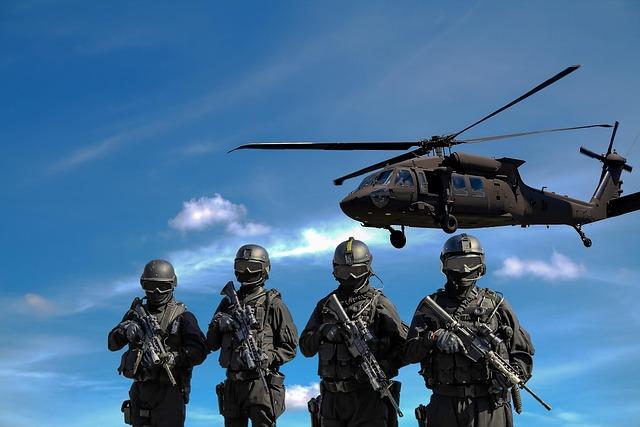
French President Emmanuel Macron announced that France, alongside its allies, is preparing a defensive mission aimed at reopening the Strait of Hormuz, a critical maritime chokepoint recently disrupted by escalating regional tensions. The initiative underscores growing international concerns over freedom of navigation in one of the world’s most strategic oil transit routes, as efforts intensify to ensure safe passage amid increasing geopolitical volatility.
France and Allies Coordinate Defensive Strategy for Strait of Hormuz Security
France, in close collaboration with allied nations, is intensifying efforts to ensure the security of the strategically vital Strait of Hormuz. French President Emmanuel Macron emphasized that the mission will be strictly defensive, aimed at facilitating unhindered maritime passage while preventing any escalation of tensions in the region. This coordinated approach includes bolstering naval patrols, sharing intelligence, and enhancing communication channels among partner countries to respond swiftly to potential threats.
The operation’s key components focus on safeguarding commercial vessels and reinforcing regional stability through a multilateral framework. Highlights of the initiative include:
- Joint naval exercises to demonstrate presence and readiness
- Establishment of secure maritime corridors monitored by coalition forces
- Regular diplomatic engagement to de-escalate tensions with regional actors
| Participating Nations | Primary Role | Operational Focus |
|---|---|---|
| France | Command & Coordination | Strategic planning and naval operations |
| United Kingdom | Intelligence Sharing | Maritime surveillance and reconnaissance |
| United States | Force Projection | Naval presence and missile defense support |
| United Arab Emirates | Regional Liaison | Local security facilitation and logistics |
Macron Emphasizes Diplomatic Efforts Alongside Military Preparedness
In his recent remarks, French President Emmanuel Macron highlighted the importance of a balanced approach combining diplomatic dialogue with robust military readiness. France, in concert with its allies, is mobilizing efforts not only to ensure the reopening of the strategically vital Strait of Hormuz but also to foster stability through sustained diplomatic channels. Macron underscored that while defense measures are necessary, the ultimate goal remains a peaceful resolution that secures safe passage for international maritime traffic.
Key pillars of France’s approach include:
- Enhancing joint military vigilance and cooperation in the Gulf region
- Engaging in multilateral talks aimed at de-escalating tensions
- Coordinating closely with regional and global partners for cohesive strategy
| Initiative | Focus Area | Expected Outcome |
|---|---|---|
| Joint Naval Patrols | Maritime Security | Safe Strait Passage |
| Diplomatic Summits | Conflict De-escalation | Dialogue Expansion |
| Intelligence Sharing | Threat Assessment | Proactive Defense Measures |
Implications for Global Oil Supply and Regional Stability Explored
The announcement by President Macron signals a pivotal moment in addressing the vulnerabilities surrounding one of the world’s most critical maritime chokepoints. The Strait of Hormuz, through which nearly 20% of global oil trade passes, remains a flashpoint for tensions that could disrupt energy markets and trigger broader geopolitical instability. By preparing a defensive mission in collaboration with allied nations, France aims to assure uninterrupted oil flow while preventing escalating confrontations that could undermine regional peace.
Key implications of this initiative include:
- Stabilization of oil supply chains: Mitigating risks of blockade or attacks that would spike global energy prices.
- Enhanced international coordination: Demonstrating collective resolve to uphold freedom of navigation and counter coercive tactics.
- Potential ripple effects: Balancing the interests of regional powers while deterring escalation in an already volatile area.
| Aspect | Potential Outcome | Impacted Stakeholders |
|---|---|---|
| Oil Exports | Secured transit routes prevent supply shocks | Global energy markets, importing countries |
| Regional Diplomacy | Pressure on conflicting parties to engage diplomatically | Middle Eastern states, European allies |
| Military Presence | Increased naval deployments signal deterrence | Coalition forces, regional navies |
Recommendations for Strengthening Multinational Naval Collaboration
To bolster the effectiveness of multinational naval operations in critical chokepoints like the Strait of Hormuz, a multifaceted approach to collaboration is essential. First, establishing standardized communication protocols across allied fleets will ensure seamless, real-time information sharing during crises. This can be supplemented with joint training exercises focused on rapid response, which enhance interoperability and build mutual trust. Enhanced intelligence sharing mechanisms, supported by a dedicated digital platform, will enable allies to anticipate threats more swiftly and coordinate countermeasures with greater precision.
- Unified command and control systems to streamline decision-making processes
- Regular joint maritime exercises to reinforce tactical cohesion
- Information technology upgrades for secure, encrypted communications
Furthermore, investing in complementary naval assets among coalition partners can maximize resource efficiency and coverage. A strategic distribution of capabilities—from surveillance drones to mine-clearing vessels—will allow for flexible responses tailored to evolving maritime threats. Establishing a shared funding mechanism to support these initiatives can provide sustainable financial backing, ensuring long-term resilience of the mission. Below is a proposed framework for optimal asset allocation among key allied nations:
| Ally | Primary Naval Role | Suggested Asset Focus |
|---|---|---|
| France | Command & Coordination | Flagship & Surveillance Drones |
| United States | Force Projection | Destroyers & Carrier Strike Groups |
| United Kingdom | Mine Countermeasures | Minesweepers & Unmanned Vessels |
| Gulf Allies | Patrol & Escort | Fast Patrol Boats & Coastal Radar |
The Way Forward
As France and its allies move forward with plans for a defensive mission aimed at securing the Strait of Hormuz, the international community will be closely monitoring developments in this strategically vital region. The unfolding situation underscores the complex geopolitical tensions at play and the critical importance of maintaining open and safe maritime corridors for global trade. Further updates are expected as France and its partners coordinate their efforts to ensure stability and freedom of navigation in one of the world’s most crucial waterways.