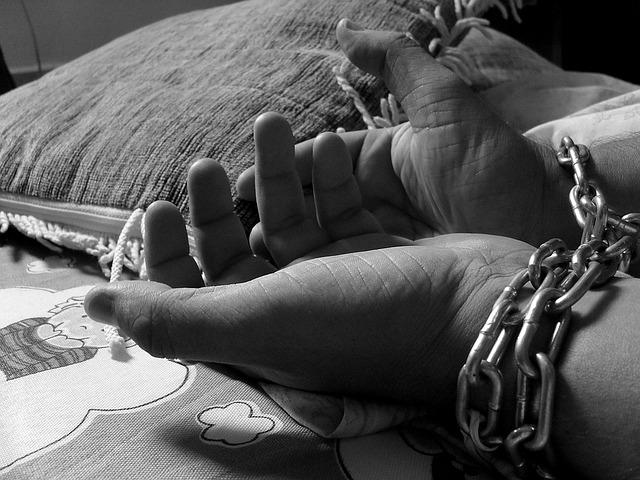
In a significant crackdown on human trafficking networks, Europol has announced the arrest of 29 suspects across two coordinated operations. These simultaneous strikes have dealt a major blow to organized criminal groups involved in the exploitation and trafficking of vulnerable individuals. Authorities across multiple countries collaborated closely to dismantle these networks, underscoring the ongoing international commitment to combating human trafficking and protecting victims from further harm.
European Authorities Dismantle Major Human Trafficking Networks in Coordinated Raids
In a decisive strike against criminal enterprises, law enforcement agencies across Europe have apprehended 29 individuals linked to two expansive human trafficking rings. The coordinated operations, spearheaded by Europol in collaboration with national police forces, targeted key hubs suspected of orchestrating the illegal exploitation and transport of vulnerable victims. Authorities seized a substantial cache of evidence including forged documents, communication devices, and financial records detailing the illicit flows underpinning these criminal networks.
Main outcomes of the raids included:
- Successful arrests spanning five countries
- Disruption of multiple trafficking routes
- Rescue and safeguarding of dozens of trafficking victims
- Confiscation of assets valued at several million euros
Europol officials have emphasized the ongoing commitment to dismantle organized crime structures exploiting migrants and other vulnerable groups. The intricate planning and cross-border cooperation underscore the growing effectiveness of European law enforcement’s united front.
| Country | Arrests Made | Victims Rescued |
|---|---|---|
| Germany | 9 | 12 |
| Italy | 7 | 10 |
| France | 6 | 9 |
| Spain | 4 | 6 |
| Netherlands | 3 | 5 |
Detailed Investigation Uncovers Complex Criminal Operations Across Multiple Countries
Law enforcement agencies across Europe, in collaboration with Europol, have dismantled two major human trafficking rings operating simultaneously in several countries. The operations targeted sophisticated criminal networks exploiting vulnerable individuals for forced labor and sexual exploitation. Authorities arrested 29 suspects, ranging from low-level facilitators to key orchestrators who coordinated activities through encrypted communication channels.
Investigations revealed the multi-layered structure of these organizations, which employed intricate methods to evade detection. Their activities spanned borders, involving recruitment in Eastern Europe, transit through multiple countries, and exploitation sites primarily in Western Europe. Key findings include:
- Use of falsified documents to facilitate illegal movement
- Financial laundering through underground banking systems
- Deployment of coercion tactics to maintain control over victims
| Country | Suspects Arrested | Primary Crime Focus |
|---|---|---|
| Germany | 10 | Sexual exploitation |
| Poland | 8 | Forced labor |
| Netherlands | 6 | Document forgery |
| Belgium | 5 | Money laundering |
Law Enforcement Collaboration Proves Crucial in Targeting Human Traffickers
The combined efforts of multiple national law enforcement agencies, under the coordination of Europol, played a pivotal role in dismantling human trafficking rings across Europe. This operation involved intricate intelligence sharing and synchronized actions that ultimately led to the arrest of 29 suspects, revealing the deep network of traffickers. The success highlights how cross-border cooperation is instrumental in overcoming jurisdictional challenges and bringing perpetrators to justice swiftly.
Key factors contributing to the operation’s success included:
- Real-time exchange of investigation leads via secured Europol channels
- Joint tactical teams conducting simultaneous raids in multiple countries
- Specialized victim identification and support mechanisms embedded in the operation
These components ensured not only the disruption of trafficking activities but also the protection of vulnerable victims, setting a benchmark for future international collaborations targeting organized crime networks.
Recommendations for Strengthening International Efforts Against Human Trafficking Crimes
Coordination Among Law Enforcement Agencies remains the cornerstone in dismantling human trafficking networks. Enhanced information sharing and joint operations across borders enable agencies to anticipate traffickers’ moves and dismantle their infrastructures swiftly. Investing in interoperable databases and real-time communication channels is essential, as these tools facilitate rapid identification and tracking of suspects, victims, and suspicious transactions.
Building Capacity Through Training and Resources for frontline officers and judiciary is a critical step. Specialized training programs focusing on victim-centered approaches ensure that authorities handle cases with sensitivity and uphold human rights standards. Additionally, fostering partnerships with NGOs and international bodies amplifies support for survivors, ensuring comprehensive protection and rehabilitation services.
- Standardizing legal frameworks for prosecution across countries
- Increasing funding for cross-border investigative teams
- Implementing advanced technology for data analysis and surveillance
- Engaging community stakeholders in prevention initiatives
| Action | Impact | Priority |
|---|---|---|
| Enhanced Cross-border Intelligence Sharing | Improved suspect tracking and arrests | High |
| Victim Assistance Programs | Better survivor recovery and cooperation | Medium |
| Legal Harmonization Efforts | Streamlined prosecution processes | High |
To Wrap It Up
The recent arrest of 29 suspects in coordinated operations targeting human trafficking networks marks a significant victory in the ongoing fight against organized crime in Europe. Europol’s continued collaboration with national law enforcement agencies underscores the critical importance of international cooperation in dismantling these exploitative networks. Authorities vow to maintain pressure on traffickers and protect the vulnerable, reaffirming their commitment to justice and human rights across the continent.