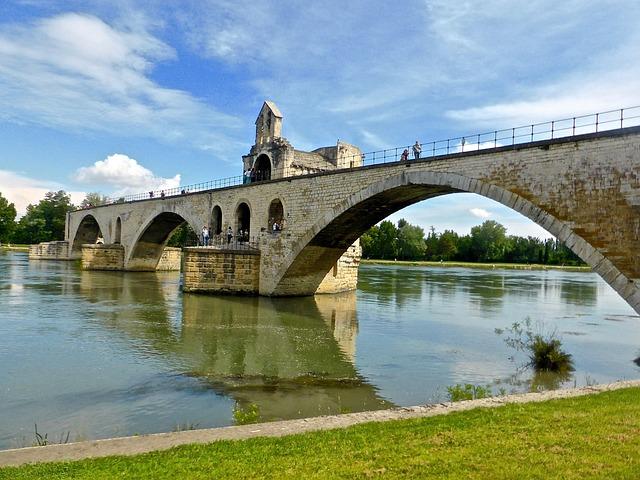
Understanding the Avignon Papacy: A Pivotal Chapter in Church History
In the early 14th century, a significant shift in the Catholic Church’s political and spiritual landscape occurred with the onset of the Avignon Papacy. For nearly 70 years, from 1309 to 1377, the papal seat moved from Rome to Avignon, a small city in present-day France, fundamentally altering the dynamics of Christian leadership and its relationship with Europe. This period not only redefined the authority of the Pope but also set the stage for one of the most tumultuous eras in ecclesiastical history, characterized by political intrigue, cultural rivalry, and profound theological debate. In this article, we delve into the complexities of the Avignon Papacy, exploring its origins, key figures, and the lasting impact it has had on the Church and society at large.
Understanding the Avignon Papacy: Key Historical Context
The Avignon Papacy, a pivotal era in the history of the Catholic Church, spanned from 1309 to 1377. During this period, seven successive popes resided in Avignon, France, rather than Rome, leading to significant political and spiritual ramifications. This relocation was fueled by a combination of factors, including the crumbling authority of the Roman papacy, French influence in ecclesiastical matters, and heightened tensions with various European monarchs. The French kings, particularly Philip IV, played a substantial role in the establishment of Avignon as the papal seat, as they sought a pope who would align with their interests and solidify their control over religious as well as secular affairs in France.
- Political Manipulation: The French crown sought to strengthen its power over the Church.
- Financial Strain: The move helped the Church evade financial pressures from Rome.
- Religious Turmoil: The shift led to increasing dissent and the eventual Great Schism.
During the Avignon Papacy, the church faced criticism regarding its legitimacy, leading to a decline in papal authority and a challenge to its moral standing. Many viewed the popes’ residence in Avignon as a period of corruption and opulence, inconsistent with the Church’s spiritual mission. The popes were often more involved in local politics than in spiritual leadership, prompting a backlash that laid the groundwork for the later Reformation. To illustrate the fluctuating landscape of papal influence and the subsequent responses from various factions, the following table summarizes key events during this period:
| Year | Event |
|---|---|
| 1309 | First pope, Clement V, moves to Avignon. |
| 1334 | Pope Benedict XII issues reforms to improve clerical conduct. |
| 1377 | Pope Gregory XI returns the papacy to Rome. |
The Political Dynamics Behind the Papal Relocation
The relocation of the papacy to Avignon in the 14th century was not merely a matter of geographical preference; it was deeply intertwined with the political landscape of the time. The French crown, vying for greater influence, saw the advantage in hosting the Pope. This led to a complex interplay of power, where national interests often overshadowed the spiritual authority of the Church. The alignment of papal power with French interests would serve to enhance France’s political clout across Europe, creating a period where the papacy became an instrument of national policy rather than an independent spiritual shepherd.
Moreover, this period was marked by significant tensions within the Church itself. The papal relocation was characterized by a struggle between Italian and French factions, as various popes attempted to solidify their authority while managing the ever-growing pressure from European monarchies. The risk of political subjugation loomed large, as the French kings deftly maneuvered to utilize the papacy for their own ends. The resulting environment was one of division and strife, ultimately leading to the Great Schism, which would forever change the landscape of Christianity.
| Year | Pope | Key Event |
|---|---|---|
| 1309 | Clement V | Papal relocation to Avignon begins |
| 1378 | Urban VI | End of the Avignon Papacy; Italian return |
| 1409 | Alexander V | Start of the Great Schism |
Impact on the Catholic Church and European Society
The Avignon Papacy profoundly reshaped the Catholic Church and Europe, creating a lasting impact on its religious landscape. This era, marked by the relocation of the papacy from Rome to Avignon, led to significant challenges and shifts in authority. Among the consequences were:
- Centralization of Power: The papacy gained increased control over church matters, diminishing the influence of local bishops.
- Political Entanglements: Popes became entwined in the political affairs of France, often aligning themselves with the French crown.
- Religious Discontent: The perceived “captivity” of the papacy fueled dissent among those who believed the Church should be independent from secular powers.
As the papacy returned to Rome, the ripple effects of the Avignon era continued to affect European society. Tensions between various factions emerged as reform movements gained traction, challenging the established order. Key outcomes included:
- Rise of Nationalism: The Avignon Papacy contributed to burgeoning national identities, as nations began to see themselves as separate from religious authority.
- Increased Calls for Reform: The time spent in Avignon ignited debates about church practices, ultimately leading to the Reformation.
- Transformation of Clerical Roles: Clergy began to advocate for greater accountability and transparency within the Church.
| Impact on the Church | Impact on Society |
|---|---|
| Consolidation of Power | Rise of Nationalism |
| Increased Political Involvement | Calls for Religious Reform |
| Greater Central Control | Emergence of New Ideologies |
Lessons for Modern Church Governance and Leadership
The Avignon Papacy, which saw the papal seat moved from Rome to Avignon from 1309 to 1377, offers key insights for contemporary church governance and leadership. It marked a significant departure from traditional papal authority, exposing vulnerabilities that can arise in any institution when centralized power is removed from its historical context. As leaders today reflect on this period, they can glean several vital lessons:
- Decentralization and Accountability: A shift in power can lead to detachment; maintaining local connections is crucial for accountability.
- Effective Communication: Clear dialogue within church communities is necessary to avoid misunderstandings that can erode trust.
- Adapting to Change: Flexibility in leadership roles can help navigate turbulent times and align with the evolving needs of the congregation.
Moreover, the socio-political dynamics of the Avignon Papacy highlight the importance of strategic alliances in governance. The papacy’s focus on relationships with secular authorities often swayed its direction, emphasizing that church leaders must balance spiritual duties with pragmatic partnership-building. By understanding the interplay of faith and politics, modern leaders can better navigate challenges:
| Key Influence | Modern Implication |
|---|---|
| Secular Powers | Engagement with community leaders to foster collaboration. |
| Public Perception | Transparency in operations to build trust and credibility. |
Insights and Conclusions
In conclusion, the Avignon Papacy represents a pivotal chapter in the history of the Roman Catholic Church, marked by political strife and spiritual upheaval. Spanning nearly 70 years, this controversial period saw the papal seat temporarily relocated to France, a move that sparked significant debate about the Church’s authority and influence. As we reflect on the implications of the Avignon Papacy, it becomes clear that the challenges faced during this era continue to resonate within the Church today, shaping discussions around governance, credibility, and the role of faith in an ever-changing world. The lessons gleaned from this historical episode serve as a testament to the enduring complexities of religion and politics, inviting contemporary believers and scholars alike to engage with the past as they navigate the future of the Church.