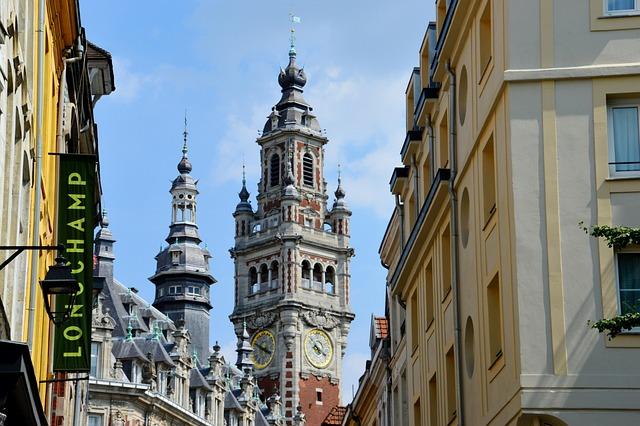
Lille Set to Host New EU Customs Authority Amidst Growing Regulatory Challenges
In a significant development for the European Union’s regulatory landscape, Lille has been chosen as the headquarters for the newly established EU Customs Authority. This move, announced during a recent EU summit, underscores the bloc’s commitment to enhancing trade efficiency and strengthening customs operations across member states. As global trade dynamics evolve and complexities increase, the establishment of this authority aims to streamline processes, tackle customs fraud, and ensure compliance with EU regulations. With Lille positioned as a strategic hub, the city is poised to become a key player in shaping the future of customs governance in Europe. This article delves into the implications of this decision and what it means for trade and international relations in the region.
Impact of EU Customs Authority Relocation on Lille’s Economy
The relocation of the EU Customs Authority to Lille is poised to usher in significant changes for the local economy. With the influx of both jobs and investment, the city is on the brink of a transformation that promises to ripple through various sectors. A surge in demand for housing, retail, and services is expected as new officials and their families move into the area. Moreover, local businesses may benefit from increased visibility, leading to potential partnerships and collaborations with the European institution. This shift could attract ancillary service providers, ranging from logistics firms to legal advisors specializing in customs regulations.
Furthermore, the presence of the EU Customs Authority will likely enhance Lille’s status as a strategic logistical hub in Europe. The city’s well-established transportation networks will facilitate easier trade routes, bolstering its role in international commerce. Key opportunities accompanying this relocation include:
- Employment growth in administrative and logistical roles
- Increased foreign investment in infrastructure
- Promotion of Lille as a center for international trade events
A collaborative effort between local government and businesses will be vital to maximize the benefits of this new chapter in Lille’s economic landscape.
Infrastructure Readiness: Preparing Lille for the New EU Headquarters
Lille is gearing up for a significant transformation as it prepares to welcome the new EU Customs Authority. The city is initiating a comprehensive approach to enhance its infrastructure, ensuring a seamless integration for the influx of EU officials and international stakeholders. Key areas of focus include:
- Transportation Improvements: Upgrades to the metro and tram systems are planned to facilitate efficient commutes.
- Digital Connectivity: Investments in high-speed internet and secure communication networks are essential for smooth operations.
- Public Facilities: Enhanced public spaces and amenities to create a welcoming environment for visitors and employees.
To support these developments, a structured plan has been set in motion, targeting the enhancement of the urban landscape. Local authorities are collaborating with businesses and community stakeholders to align goals and resources effectively. A proposed timeline for these initiatives has been outlined in the table below:
| Project | Timeline | Responsibility |
|---|---|---|
| Transportation Enhancements | 2023-2025 | City Council |
| Digital Infrastructure | 2024-2025 | Tech Partners |
| Public Space Revitalization | 2023-2024 | Urban Developers |
Collaboration Strategies Between Local and EU Officials
As Lille prepares to become the headquarters of the new EU Customs Authority, a synergy between local and EU officials will be crucial for maximizing operational efficiency and fostering innovation. To achieve this, several collaboration strategies are being designed, including:
- Regular Bilateral Meetings: Establishing monthly sessions to discuss relevant customs issues and local administrative challenges.
- Joint Training Programs: Implementing workshops that focus on the latest customs regulations and trade practices, enhancing skills for local and EU personnel.
- Shared Resources: Creating a centralized digital platform for accessing customs data, making it easier for local officials to engage with EU regulatory frameworks.
Furthermore, an emphasis will be placed on fostering strong community outreach programs that educate local businesses on EU customs policies, thus streamlining compliance. The following initiatives will support this mission:
| Initiative | Description |
|---|---|
| Business Workshops | Quarterly sessions to inform local businesses about customs requirements. |
| Feedback Mechanism | A system for local businesses to report issues and suggestions directly to EU officials. |
Through these collaborative efforts, Lille aims not just to serve as an administrative hub, but also as a model city for effective governance at the intersection of local needs and EU-wide policies.
Future Prospects: Enhancing Trade Efficiency in the European Union
The establishment of the new EU Customs Authority in Lille marks a significant step towards reshaping trade dynamics within the European Union. By centralizing customs operations, the EU aims to streamline processing times and reduce bureaucratic hurdles that often impede cross-border commerce. This initiative includes the integration of advanced technologies such as blockchain for enhanced transparency and artificial intelligence to expedite customs clearance. Key expected benefits include:
- Reduced Trade Costs: Minimizing tariffs and enhancing regulatory efficiencies.
- Faster Clearance Times: Empowering businesses with quicker access to international markets.
- Improved Compliance: Standardizing procedures to ensure uniform adherence to EU regulations.
Furthermore, the location of Lille, strategically positioned between major trade routes, will facilitate greater collaboration among member states. The authority is anticipated to foster a more cohesive approach towards tackling issues such as smuggling and fraud, thereby strengthening the integrity of the EU’s trading framework. In a recent survey conducted among trade stakeholders, responses indicated an overwhelming support for the initiative, highlighting the desire for a more efficient customs landscape. The survey results are as follows:
| Stakeholder Group | Support for EU Customs Authority (%) |
|---|---|
| Businesses | 88% |
| Logistics Providers | 85% |
| Customs Officials | 90% |
To Wrap It Up
As the European Union prepares to establish its new Customs Authority in Lille, the move signals a strategic shift aimed at enhancing trade efficiency and border management across member states. This decision not only underscores Lille’s growing prominence as a regional hub but also reflects the EU’s commitment to adapting to the evolving complexities of global commerce. With the authority’s operations expected to commence in the coming months, stakeholders will be closely monitoring its impact on both local economies and the wider European market. As the EU continues to navigate challenges such as trade disruptions and regulatory changes, the establishment of this new authority could prove pivotal in fostering a more cohesive and resilient customs framework. Analysts and officials alike look forward to observing how this initiative will shape the future of customs operations in the EU.