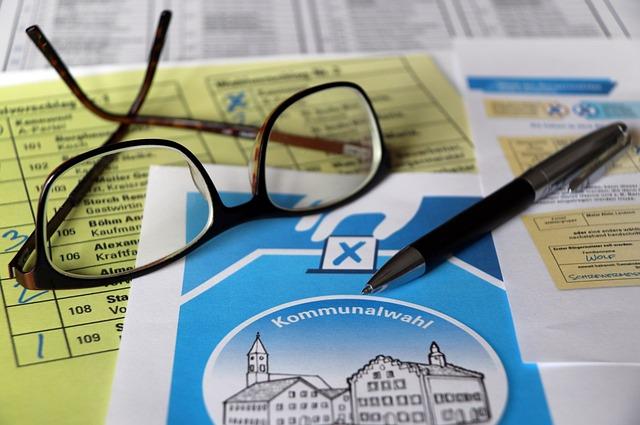
In a significant setback for the French far-right, recent local elections have highlighted the resilience of mainstream political parties across major cities. Despite the heightened visibility of far-right rhetoric, voters in key urban areas have largely rejected candidates associated with the National Rally, signaling a potential shift in the political landscape. This unexpected outcome may bolster centrist and left-leaning parties, challenging the narrative of an unstoppable right-wing surge in France. As the nation grapples with economic concerns and social divisions, analysts are now questioning the far-right’s strategy and its implications for future elections.
French Far Right Faces Setbacks in Urban Strongholds
The recent electoral results signal a notable decline in support for the far-right parties within France’s urban centers, marking a pivotal moment in the nation’s politics. Major cities such as Paris, Lyon, and Marseille have seen mainstream candidates solidify their influence, pushing back against the far-right’s attempts to penetrate these traditionally diverse areas. Exit polls reveal that the far-right’s inability to capture these key urban strongholds underscores a growing resilience among voters who prioritize social cohesion and progressive values over nationalist rhetoric.
This shift reflects broader trends in French society, where rising concerns over issues like immigration and economic inequality appear to resonate more effectively in suburban and rural regions. In urban contexts, issues such as housing, education, and public safety have taken precedence over extremist political aspirations. As mainstream parties adapt their platforms to address these urban challenges, a strategic pivot has been noted, suggesting that the far-right may need to recalibrate its approach to regain footing in cities where cosmopolitan values hold sway.
Mainstream Parties Strengthen Position in Key Electoral Battles
The recent electoral outcomes in major French cities have marked a significant setback for far-right candidates, reinforcing the dominance of mainstream political parties. Cities such as Paris, Lyon, and Marseille showcased strong voter turnout against extremist ideologies, reflecting a public sentiment that leans towards stability and traditional governance. This shift can be attributed to a variety of factors, including effective campaigning strategies and the leveraging of local issues that resonate deeply with constituents. Key elements that played a role include:
- Voter Engagement: Increased mobilization of younger voters.
- Coalition Building: Strong alliances among left-wing and centrist parties.
- Economic Concerns: Focus on local economic issues over nationalist rhetoric.
Moreover, preliminary analysis suggests that the rejection of far-right candidates was evident across various demographics, signaling a robust defense against polarized politics in urban settings. In a time when global challenges loom large, voters have opted for candidates perceived as more pragmatic and committed to unity. Key statistics from recent elections illustrate this trend:
| City | Mainstream Vote (%) | Far-Right Vote (%) |
|---|---|---|
| Paris | 67 | 33 |
| Lyon | 62 | 38 |
| Marseille | 59 | 41 |
Voter Sentiment Shifts as Extremism Rejected in Major Cities
Recent election results have showcased a significant shift in voter preferences across major French cities, signaling a clear rejection of far-right extremism. In this context, mainstream political parties have experienced a resurgence, capitalizing on the electorate’s desire for stability and inclusivity. Analysts have noted that this trend reflects mounting concerns about social cohesion, driven by issues such as immigration, economic disparity, and public security. Voters seem to be favoring candidates who prioritize practical solutions over polarizing rhetoric, effectively sidelining radical ideologies.
This electoral outcome has resulted in an unambiguous message about the public’s stance on extremism. Key factors influencing this shift include:
- Economic Stability: Voters are increasingly aligning with parties that propose actionable economic reforms.
- Social Issues: Concerns over diversity and tolerance have placed emphasis on candidates who advocate for unity.
- Public Safety: Rising crime rates have led voters to support policies that promise enhanced security without resorting to divisive language.
In a comparative analysis of the election results, it’s evident that far-right candidates struggled to secure a foothold in any of the major urban centers. The following table outlines the performance of key political factions in three prominent cities:
| City | Mainstream Parties (%) | Far-Right (%) |
|---|---|---|
| Paris | 65 | 25 |
| Lyon | 63 | 27 |
| Marseille | 58 | 32 |
This data underscores a pivotal moment in French politics, suggesting that as urban voters increasingly prioritize collaboration and practical governance, the influence of extremist factions may continue to wane significantly.
Strategic Lessons for Establishment Parties Moving Forward
The recent electoral results in major French cities demonstrate a significant setback for the far-right parties, underscoring a crucial turning point for established political entities. As the traditional left and right grapple with the realities of shifting voter sentiments, these parties must carefully recalibrate their strategies to maintain relevance. Key considerations include the necessity for inclusive dialogue and addressing the concerns of diverse electoral bases. By doing so, mainstream parties can reinforce their platforms and foster trust among their constituents, ensuring they remain competitive in an evolving political landscape.
In light of this latest electoral outcome, established parties should enhance their focus on local issues that resonate with urban voters. The implications of this voter behavior highlight the need for a more grassroots approach to policy formulation. Parties may benefit from adopting the following strategies:
- Engagement Initiatives: Host community forums to encourage dialogue and feedback.
- Diverse Representation: Foster candidates from a variety of backgrounds to appeal to a broader demographic.
- Policy Innovation: Prioritize innovative solutions for pressing urban challenges, such as housing and public transportation.
| Strategy | Impact |
|---|---|
| Engagement Initiatives | Builds trust and rapport with voters |
| Diverse Representation | Enhances relevance and appeal |
| Policy Innovation | Addresses key urban issues proactively |
In Retrospect
In conclusion, the failure of the French far right to secure victories in major cities marks a significant moment in the nation’s political landscape. This outcome not only underlines the resilience of mainstream parties but also reflects a potential shifting of voter sentiment in favor of more established political narratives. As the nation grapples with ongoing economic and social challenges, the mainstream’s ability to adapt and respond to citizen concerns will be crucial for maintaining their momentum. With upcoming elections on the horizon, the implications of this trend will reverberate throughout France’s political arena, setting the stage for a complex interplay of ideologies in the years to come.