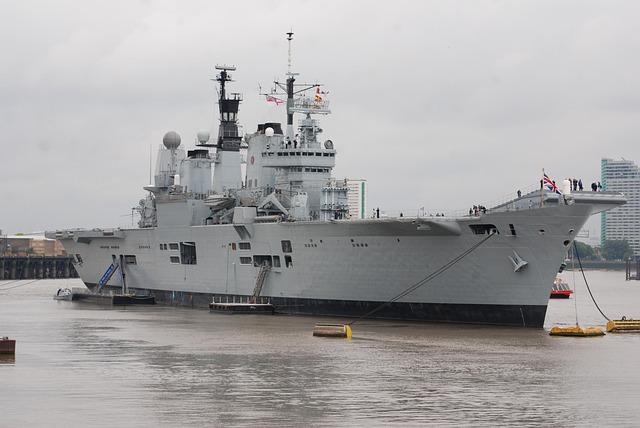
The United Kingdom and France have deployed warships and air defence systems to Cyprus in response to a recent drone attack, escalating security concerns in the Eastern Mediterranean. According to Al Jazeera, the military build-up underscores rising tensions in the region as both nations seek to bolster their defensive posture amid increasing threats from unmanned aerial vehicles. This strategic move marks a significant development in the evolving geopolitical landscape, highlighting Cyprus’s growing importance as a security hub.
UK and France Deploy Warships and Air Defence to Cyprus in Response to Drone Attack
In an unprecedented show of military solidarity, the United Kingdom and France have deployed advanced naval and air defense units to Cyprus following a recent drone strike in the region. This rapid response highlights the escalating tensions in the Eastern Mediterranean, where geopolitical stakes continue to intensify due to overlapping security concerns. The maritime deployments include state-of-the-art frigates equipped with surface-to-air missile systems, while air defense contingents bring a layered shield designed to intercept potential aerial threats.
The joint operation aims to enhance regional stability and protect critical maritime routes. According to defense officials, the assets dispatched feature capabilities such as:
- Long-range radar surveillance for early drone detection
- Integrated missile defense systems capable of neutralizing unmanned aerial vehicles
- Enhanced coordination between allied naval forces for rapid threat response
This deployment underscores the growing importance of Cyprus as a strategic hub and reflects concerted efforts to deter future incursions, signaling a robust stance against emerging drone warfare tactics that jeopardize allied security interests.
| Country | Deployed Assets | Primary Role |
|---|---|---|
| United Kingdom | Type 23 Frigate, Rapier Air Defence | Maritime Patrol & Air Defense |
| France | La Fayette-class Frigate, SAMP/T System | Surveillance & Missile Interception |
Strategic Implications for Eastern Mediterranean Security and Regional Stability
The recent deployment of UK and French warships and air defence systems to Cyprus marks a decisive escalation in Western military presence in the Eastern Mediterranean. This strategic move underscores the growing concern among NATO allies over security vulnerabilities following the recent drone attacks, reflecting an urgent commitment to safeguard critical maritime routes and regional infrastructure. Such bolstered assets provide enhanced surveillance and rapid response capabilities, ensuring deterrence against asymmetric threats and preserving freedom of navigation in contested waters.
Key implications include:
- Strengthening of collective defense mechanisms among NATO member states in the Mediterranean basin.
- Heightened military readiness amid rising tensions involving regional actors with competing territorial claims.
- Improved coordination for multinational maritime security operations and intelligence sharing.
- Potential recalibration of diplomatic relations as regional powers react to increased Western military footprint.
| Aspect | Impact | Duration |
|---|---|---|
| Maritime Security | Enhanced patrols and early warning capabilities | Medium to Long Term |
| Regional Diplomacy | Increased tension, push for dialogue | Short to Medium Term |
| Military Alliances | Strengthened NATO cohesion and interoperability | Long Term |
Assessment of Drone Threats and Enhancement of Allied Air Defence Capabilities
In response to growing concerns over drone-enabled warfare, the UK and France have intensified efforts to assess emerging drone threats in the Eastern Mediterranean. The recent deployment of warships and advanced air defence systems to Cyprus signifies a strategic move to bolster allied air defence capabilities, particularly in the face of increasingly sophisticated unmanned aerial vehicle (UAV) attacks. Defence analysts emphasize the need to enhance radar detection, electronic warfare measures, and integrated missile defence systems to counter the evolving drone technologies being deployed by state and non-state actors alike.
Strategic enhancements include the deployment of multi-layered defence assets designed to detect, track, and neutralize hostile drones before they pose a threat to key maritime and air operational zones. Collaborative drills between UK and French forces aim to improve interoperability and rapid response across allied units. A summary of key air defence assets recently dispatched is provided below:
| Asset | Capability | Deployment Role |
|---|---|---|
| Type 45 Destroyer (UK) | Advanced Radar & Anti-Air Missiles | Maritime Air Defence Shield |
| Forbin-class Frigate (France) | Multi-Function Radar & Aster Missiles | Long-Range Drone Interception |
| SAMP/T Missile System (France) | Mobile Surface-to-Air Defence | Land-based Air Defence Coverage |
| Rapier Surface-to-Air Missiles (UK) | Short-Range Drone Neutralisation | Point Defence for Bases |
- Rapid Identification: Enhanced sensors allow for swift recognition of drone threats, preventing surprise incursions.
- Layered Protection: Integration of short, medium, and long-range assets creates overlapping defence zones.
- Electronic Warfare: Jamming and cyber disruption tools are prioritized to incapacitate hostile UAV command links.
- Allied Cooperation: Shared intelligence and joint exercises foster a cohesive deterrence posture across allied forces.
Recommendations for Strengthened Multinational Coordination and Preventive Measures
To effectively counter emerging threats in geopolitically sensitive areas such as the Eastern Mediterranean, stronger multinational coordination frameworks must be established. This includes enhanced intelligence-sharing protocols and joint operational planning among allied naval and air forces. Leveraging real-time data across national boundaries will significantly boost situational awareness and response times, thereby mitigating the risk of escalation following incidents like the recent drone attack on Cyprus.
Key preventive measures should focus on:
- Regular joint military exercises to improve interoperability and readiness.
- Integrated air and missile defence systems with shared control centers.
- Establishment of communication hotlines to swiftly address potential misunderstandings.
- Development of a common legal framework predicated on transparency and mutual respect of sovereignty.
| Action Item | Expected Outcome | Lead Participants |
|---|---|---|
| Joint Maritime Patrols | Deterrence of hostile maneuvers | UK, France, Cyprus |
| Satellite Intelligence Sharing | Enhanced threat detection | EU, NATO Allies |
| Cybersecurity Alliances | Protection of critical infrastructure | Multinational Cyber Command |
Wrapping Up
The deployment of UK and French military assets to Cyprus underscores the escalating tensions in the region following the recent drone attack. As both nations strengthen their defensive posture, the situation remains closely monitored by international observers, with implications for broader security dynamics in the Eastern Mediterranean. Further developments are awaited as diplomatic and military responses continue to unfold.