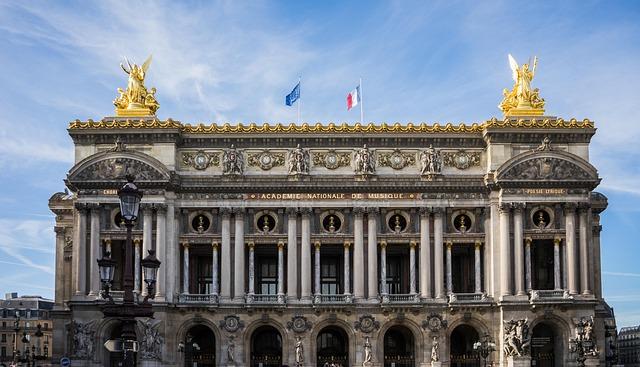
From Script to Stage: Exploring French Theater in Paris and Avignon
In the heart of France, the vibrant worlds of Paris and Avignon come alive each year as stages transform into portals of creativity and culture. This article, part of our series on the evolution of theater, delves into the rich tapestry of French theater, examining how scripts are meticulously crafted and brought to life in these iconic cities. Paris, with its historic theaters and bustling avant-garde scene, contrasts sharply with the festival atmosphere of Avignon, where every summer the streets swell with performers and playwrights from around the globe. As we explore the artistic journeys that span from page to performance, we’ll uncover the influences, innovations, and challenges that shape contemporary French theater—an art form deeply woven into the fabric of French identity and communal expression. Join us as we navigate this dynamic theatrical landscape, revealing the magic that unfolds when imagination meets the stage.
Exploring the Roots of French Theater in Paris
French theater, particularly in Paris, is steeped in a rich tapestry of history that dates back to the medieval period. The dynamic streets of the capital have been the backdrop for countless performances reflecting societal changes and artistic movements. Key elements that have shaped this evolution include:
- The Comédie-Française: Established in 1680, this repository of French classicism continues to influence contemporary productions.
- Les Grands Boulevards: The theaters along this famed avenue became synonymous with the birth of vaudeville and the modern comedy.
- Avignon Festival: Initiated in the 1940s, it offers a platform for avant-garde works, showcasing a blend of traditional and innovative performances.
As the theatrical scene expanded, experimental directors and playwrights began to challenge the conventions set forth by their predecessors. The emergence of theater movements such as Surrealism and the Theatre of the Absurd has infused fresh perspectives into the stage. Highlighted below are notable figures who have shaped modern French theater:
| Name | Contribution | Period |
|---|---|---|
| Antonin Artaud | Founder of the Theatre of Cruelty | 1930s |
| Eugène Ionesco | Prominent playwright of Absurd Theater | 1950s |
| Joël Pommerat | Innovative contemporary director | 2000s |
An Insider’s Guide to Avignon’s Theatre Festival Experience
The annual Theatre Festival in Avignon, a hallmark of French culture, transforms the city into a vibrant tableau of creativity. From the historic Palais des Papes to the numerous makeshift venues scattered throughout the streets, the festival showcases a rich tapestry of performances. Each July, artists, actors, and audiences converge, drawn by the promise of breathtaking stagecraft and innovative storytelling. Visitors can immerse themselves in a variety of genres, including contemporary dramas, classical adaptations, and experimental pieces. The atmosphere is electric, with street performances adding to the allure and making it impossible to walk through Avignon without being swept into the world of theater.
Attending the festival goes beyond just watching performances; it is a unique cultural experience where every corner of the city teems with artistic expression. Consider taking part in these essential aspects to enhance your experience:
- Plan Ahead: With hundreds of shows, securing tickets early can save you from disappointment.
- Explore Smaller Venues: Don’t just stick to big-name productions; intimate performances often offer groundbreaking talent.
- Engage with Artists: Many performers host post-show discussions, allowing for deeper insights into their work.
Additionally, consider visiting the festival’s marketplace, where local artisans and gastronomic delights further enrich your visit. The eclectic mix of art and culture makes Avignon unforgettable, each moment steeped in the magic of theater.
Behind the Scenes: The Creative Process of French Playwrights
In the vibrant landscape of French theater, the journey from script to stage is a delicate dance that embodies the unique flair of Paris and Avignon. French playwrights often embark on their creative odyssey in a setting steeped in tradition, each work a reflection of both personal expression and collective cultural identity. The complexities of character development and thematic exploration are essential. Consider the factors that shape this process:
- Inspirational Sources: Everyday life, history, and social issues.
- Collaborative Synergy: Engagement with directors and actors early in the writing stage.
- Workshops and Readings: Crucial for refining dialogue and pacing.
To encapsulate the creative pulse, French playwrights often utilize a structured approach yet remain open to the spontaneity of inspiration. One critical aspect involves the rigorous feedback loop established through collaborative rehearsals, where playwrights actively participate to refine their vision. The vibrant theater festivals in Avignon serve as a melting pot for innovation, where fresh works are unveiled and artists engage in spirited discussions. This exchange results in a dynamic avenue for artistic evolution:
| Aspect | Importance |
|---|---|
| Immediate Audience Reaction | Enhances emotional depth of the performance. |
| Modern Reinterpretations | Ensures relevance in contemporary society. |
| Festival Exposure | Widens the playwright’s audience and critical reception. |
Audience Engagement: The Role of Spectators in French Performance Art
The interaction between performers and spectators is a defining element of French performance art, especially in the vibrant theater scenes of Paris and Avignon. In recent years, artists have increasingly recognized that audience engagement is not merely an addendum to a performance but a crucial aspect that shapes the overall experience. This is evident in the innovative techniques used by directors and actors who actively invite spectators to participate, transforming them from passive viewers to co-creators of the artistic narrative. Techniques such as immersive performances, where viewers are encouraged to walk through the set, or interactive dialogues between actors and the audience enhance this engagement, forging a closer connection between art and its admirers.
Moreover, the role of spectators in these performances extends beyond mere participation; it shapes the themes and messages conveyed throughout the show. This dynamic has prompted many Parisian and Avignon-based artists to explore how the audience’s reactions—from laughter to silence—can influence the course and pacing of the performance itself. Festivals such as the Festival d’Avignon have become a laboratory for this exploration, showcasing experimental works that thrive on spectator involvement. As contemporary theater continues to evolve, it becomes increasingly clear that the audience’s presence is not just a background hum but a vital catalyst for creativity and transformative storytelling.
The Way Forward
As we conclude our exploration of the vibrant journey from script to stage in French theater, particularly in the iconic locales of Paris and Avignon, it becomes clear that these cities are not merely backdrops but co-authors in the unfolding narrative of theater. The innovative spirit of Parisian playwrights and the immersive allure of the Avignon Festival play pivotal roles in shaping the theatrical landscape both in France and beyond.
Through a rich tapestry of performance, these two cities continue to inspire a global audience, offering fresh perspectives on age-old themes while fostering new artistic voices. As Princeton University’s program sheds light on this dynamic intersection of literature and performance, it reaffirms the enduring relevance of theater as a reflection of society’s complexities and aspirations.
In upcoming installments, we will dive deeper into the influences and challenges faced by contemporary theater artists. Stay tuned as we unravel the intertwining threads of creativity that keep the heart of French theater beating strong.