Introduction:
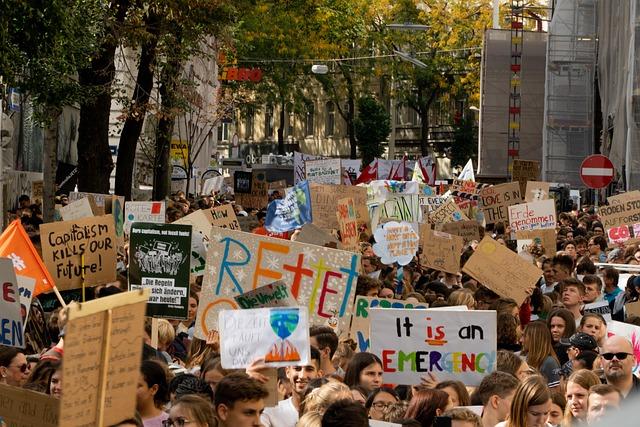
As France approaches a critical electoral period, a wave of student protests has surged across the nation, challenging the status quo and igniting intense political discourse. With university campuses becoming hotbeds of dissent, young activists are voicing their frustrations over pressing issues such as tuition fees, educational reforms, and the broader socio-economic landscape. These demonstrations not only reflect the growing discontent among the youth but also signal a potential shift in the political landscape as candidates scramble to address the concerns of this pivotal demographic. As tensions escalate, the ramifications could extend far beyond the campus, reshaping the upcoming elections and the policies that lie ahead.
Impact of Student Protests on Election Dynamics in France
The recent wave of student protests in France has significantly influenced the political landscape ahead of the elections, amplifying the voices of younger voters and reshaping party agendas. Students, driven by concerns over rising tuition fees, climate change, and job security, have mobilized in increasing numbers, creating a ripple effect across political factions. This mobilization has compelled candidates to respond swiftly to student demands, trying to address core issues such as:
- Education Reform: Calls for more accessible education and funding.
- Climate Action: Push for stronger environmental policies.
- Employment Opportunities: Advocating for job creation and stability post-graduation.
As the political parties grapple with these fresh demands, they are also keenly aware of the potential electoral consequences. The youth vote is becoming a critical demographic that no candidate can afford to ignore. In fact, a recent survey highlighted that approximately 65% of young voters believe their participation in these protests will influence the outcome of the elections. The following table illustrates the changing priorities of political parties as they adapt to the student-led movements:
| Political Party | Key Focus Areas |
|---|---|
| Party A | Education Funding, Green Policies |
| Party B | Job Creation, Affordable Housing |
| Party C | Healthcare Access, Climate Activism |
With student activism poised to play a pivotal role in shaping not only the immediate electoral outcomes but also the political discourse for years to come, candidates are being urged to engage meaningfully with these vital issues. The question remains whether they can translate protest momentum into substantive policy changes that resonate with the electorate long after the protests fade.
Demands for Educational Reform and Government Accountability
The ongoing student protests in France have ignited a fervent discourse surrounding the need for reform in the educational system. As young people take to the streets, their demands reflect a growing frustration with an outdated curriculum and insufficient resources. The protesters are united by several key issues:
- Improved Funding: Calls for increased government investment in public schools to ensure equal access to quality education for all.
- Curriculum Overhaul: A demand for a modernized curriculum that addresses contemporary challenges, including climate change and digital literacy.
- Support for Teachers: Advocacy for better working conditions and salaries for educators to attract and retain dedicated professionals.
Concurrently, students are holding the government accountable, urging elected officials to prioritize educational equity. They are rallying for transparency in funding allocations and decision-making processes, ensuring that educational policies reflect the needs of the students. A recent survey highlighted the discontent among young voters regarding political accountability, revealing that:
| Concern | Percentage of Students |
|---|---|
| Lack of Funding | 78% |
| Outdated Curriculum | 65% |
| Teacher Support | 55% |
This data underscores not only the urgency of the current situation but also highlights a potential shift in voter sentiment ahead of the upcoming elections. Students are demanding not just reforms, but a commitment to a system that genuinely addresses their educational and social needs.
Youth Engagement: The New Force Shaping Political Landscapes
The recent student protests in France have emerged as a significant catalyst for change in the country’s political narrative. With a multi-faceted agenda that includes demands for educational reform, climate action, and social justice, young voices are uniting to express their discontent with the status quo. The protests, characterized by vibrant demonstrations and an overwhelming online presence, are mobilizing a generation that feels increasingly disenfranchised. Social media platforms serve as a crucial tool for organization and outreach, amplifying their messages and galvanizing support beyond traditional boundaries.
Political leaders are now facing the pressure of these youthful movements ahead of impending elections. Concerns over rising tuition fees, inadequate mental health resources, and climate inaction have united students from diverse backgrounds. The role of youth in shaping election outcomes is becoming undeniably apparent, prompting political parties to reevaluate their strategies and messaging. Key issues raised by protesters can be summarized as follows:
| Key Issues Raised | Impact on Politics |
|---|---|
| Tuition Fees | Reevaluation of funding for education |
| Mental Health Resources | Increased focus on health policies |
| Climate Action | Pressure on parties to adopt green policies |
Recommendations for Policymakers in Response to Protest Motivations
As the wave of student protests sweeps across France, it is crucial for policymakers to engage with the protests’ underlying motivations. Addressing the grievances of the youth should not simply be a reaction to unrest; it requires a proactive approach that fosters dialogue and inclusivity. To achieve this, policymakers should consider the following strategies:
- Establish Open Communication Channels: Regular forums should be set up to give students a voice in the decision-making process. This helps in understanding their needs and aspirations.
- Enhance Education Funding: Allocating more resources towards educational facilities and mental health services can alleviate student stresses, thereby reducing motivations for protest.
- Promote Policymaker Engagement: Encouraging local representatives to participate in campus events can bridge the gap between students and officials, fostering a sense of community and understanding.
Moreover, it is essential to implement reforms aimed at greater economic stability, as many protestors have highlighted economic discontent as a key motivator. A multifaceted approach may include:
| Area of Focus | Recommended Actions |
|---|---|
| Job Creation | Invest in training programs that align with market demands. |
| Affordable Housing | Introduce policies that support student housing initiatives. |
| Job Security | Encourage businesses to provide internships and career support. |
These recommendations should form the cornerstone of policymaking, addressing both economic and social factors contributing to the unrest, thus transforming protests into a platform for constructive change.
Wrapping Up
As France approaches critical elections, the recent wave of student protests highlights a growing discontent among the younger generation regarding education reforms and socioeconomic disparities. The demonstrations underscore the urgency for political leaders to address the aspirations and grievances of this pivotal demographic. With tensions rising on campus and beyond, the outcome of the elections may hinge not only on traditional party platforms but also on the ability of candidates to resonate with the voices of the future. As the political landscape shifts, it remains to be seen how these protests will influence voter sentiment and reshape the trajectory of French governance in the years to come.