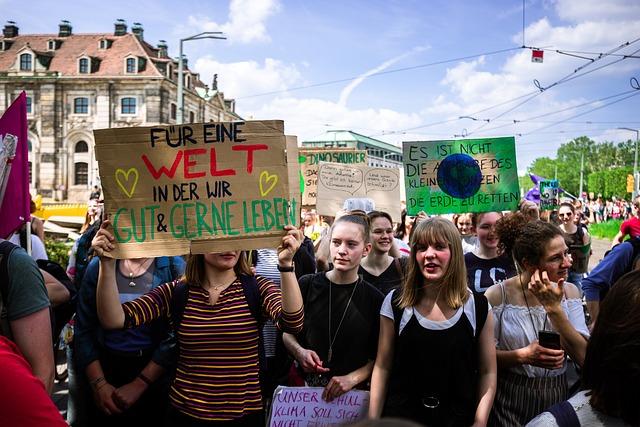
Title: Escalating Unrest: French School Protests Intensify Amid Widespread Blockades and Fires
In recent weeks, France has witnessed a significant surge in protests centered around the education system, as students and teachers alike voice their grievances over overcrowded classrooms and insufficient resources. What began as localized demonstrations have rapidly escalated into widespread unrest, marked by fiery clashes and blockades across the nation. As cities grapple with rising tensions, the protests have drawn attention not only to the immediate demands of the education sector but also to broader societal issues, reflecting a growing discontent with government policies. In this article, we explore the origins of this unrest, the ongoing protests, and the implications for France’s educational landscape and political future.
Escalating Unrest: The Surge of Protests Across French Schools
In recent weeks, French schools have become hotbeds of civil discontent as students take to the streets in large numbers to voice their frustrations over various issues, including educational reforms and inadequate resources. The situation escalated dramatically with reports of fires being set and blockades erected, leading to chaotic scenes outside schools and universities. Demonstrators are not only concerned about their future but are also demanding more significant investment in education systems, as state budgets appear insufficient to meet basic needs. The unrest has been fueled by a sense of betrayal, with many feeling that their voices are not being heard by policymakers.
Local authorities have struggled to maintain order as protests spread across the country. Many schools have temporarily closed their doors, prioritizing student and staff safety amid the escalating tension. The demands of the protesters have taken various forms, including calls for:
- Better funding for schools, colleges, and universities.
- Improvements in mental health support for students.
- More resources for extracurricular and vocational programs.
The confrontation has led to a deeper examination of France’s education policies, with unions and parent associations joining the fray. As discussions continue, one thing remains clear: the voice of the youth is resonating, and the government will need to respond swiftly to address these growing concerns.
Impact on Students: Understanding the Emotional and Educational Consequences
The ongoing protests have created a turbulent environment for students across France, significantly impacting their academic experiences. Many are facing daily disruptions due to strikes and blockades, which hinder their access to education and extracurricular activities. This turbulence has led to a decline in attendance rates and increased stress levels, with students expressing concerns about their academic futures and the stability of their learning environments. The uncertainty can exacerbate feelings of anxiety and frustration, affecting not only their current performance but also their long-term educational aspirations.
In addition to the immediate disruptions, the emotional toll on students is profound. Many are grappling with feelings of isolation and confusion, stemming from the chaotic atmosphere outside the classroom. To better understand these effects, here’s a brief overview of the factors at play:
| Emotional Consequences | Educational Consequences |
|---|---|
| Increased Anxiety | Declining Grades |
| Feelings of Isolation | Disruption of Learning |
| Uncertainty and Confusion | Decreased Participation |
These consequences highlight the urgent need for support systems within schools to address both the emotional and educational challenges students face. Counselors and educators must work together to create a nurturing environment, ensuring that students feel safe and engaged during these trying times. By fostering a sense of community and providing necessary resources, schools can help mitigate the adverse effects of the ongoing unrest.
Response Strategies: Government Measures to Address the Crisis
In response to the escalating protests across France, the government has initiated a series of measures aimed at restoring order while addressing the root causes of unrest. Authorities have deployed additional police units to key cities experiencing the most severe disturbances, ensuring the protection of public infrastructure and safety. Moreover, the government has proposed increased funding for education and social programs in an attempt to address underlying grievances that have fueled the protests. This includes specific allocations for:
- Community Engagement Initiatives
- Enhanced Teacher Support
- Scholarships for Disadvantaged Students
Simultaneously, the French government is considering dialogues with student representatives and community leaders to foster a more inclusive approach to policymaking. Plans are in place for town hall meetings across various regions where citizens can voice their concerns directly to officials. To aid in these conversations and ensure transparency, the government is also applying technology solutions for virtual town halls, enabling wider participation. Below is a concise overview of the main measures being implemented:
| Measure | Description |
|---|---|
| Increased Police Presence | Deploying additional forces to maintain order in hotspot areas. |
| Community Programs | Allocating funds for education and social initiatives to tackle root causes. |
| Dialogue Initiatives | Establishing platforms for community feedback and engagement. |
Community Involvement: The Role of Parents and Local Organizations in Mitigating Tensions
In the midst of escalating protests surrounding the educational system in France, the participation of parents and local organizations has become indispensable in navigating the unrest. Parents, who are deeply invested in the quality of education and the well-being of their children, have stepped forward to engage in dialogue with school officials and local authorities. Their voices, often amplified through grassroots committees, aim to bridge the gap between the community and educational institutions. Organizations, both non-profit and grassroots, have mobilized to facilitate conversations that promote understanding and offer solutions that prioritize student welfare. The support from these entities is vital in fostering a collaborative atmosphere where collective grievances can be addressed more constructively.
Beyond dialogue, local organizations have initiated programs designed to foster unity and resilience within affected communities. These initiatives serve not only as platforms for expression but also as a means to provide essential resources and support to families. Key efforts include:
- Workshops and forums: Empowering parents with tools to advocate for students’ rights.
- Community events: Building solidarity through cultural and educational celebrations.
- Resource distribution: Offering food, school supplies, and mental health support.
For a clearer view of how different community organizations are engaging with parents, the following table outlines key initiatives and their objectives:
| Organization | Initiative | Objective |
|---|---|---|
| Community Voices | Advocacy Workshops | Empower parents in educational reforms |
| Unity in Action | Cultural Festivals | Foster community pride and cohesion |
| Support Network | Resource Drives | Provide assistance to struggling families |
Closing Remarks
As the protests surrounding French schools continue to escalate, with fires and blockades becoming increasingly prevalent, the situation remains volatile. The unrest reflects broader societal frustrations amid rising concerns over educational policies and government responses. With each passing day, the demonstrations symbolize a growing discontent that transcends the classroom, echoing through the streets of France. Stakeholders from all sides are now faced with the urgent need for dialogue and resolution to address the deep-seated issues at play. As the country braces for what could be a prolonged period of upheaval, the call for unity and understanding resonates louder than ever. The coming weeks will be critical in determining the future of France’s educational landscape and the broader implications for its civic harmony.