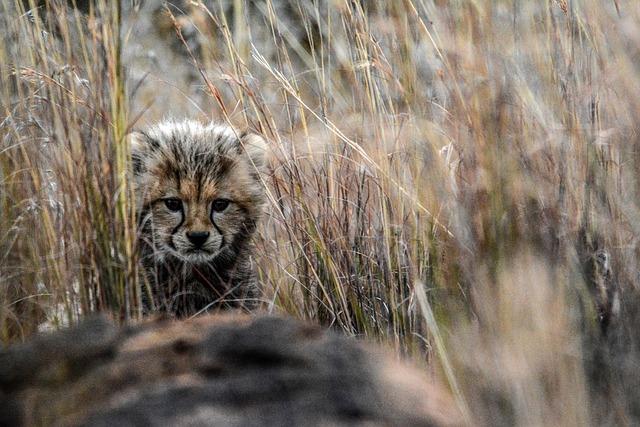
WATCH: Birth of Four Baby Cheetahs at Montpellier Zoo, France
In a heartwarming development for wildlife enthusiasts, Montpellier Zoo in France has welcomed the arrival of four adorable baby cheetahs. This remarkable event sheds light on the ongoing efforts to promote conservation and the significance of protecting endangered species. The births mark a significant milestone for the zoo, known for its commitment to biodiversity and education. As the cubs begin their journey into the world, the spotlight shines on the delicate balance between nature and conservation efforts, offering hope for the future of this iconic species. Stay tuned for exclusive footage and insights into the lives of these charming new residents at Montpellier Zoo.
Birth Announcement and Significance of Four Baby Cheetahs at Montpellier Zoo
The recent birth of four baby cheetahs at Montpellier Zoo has not only delighted animal enthusiasts but also highlights the importance of conservation efforts for this endangered species. These adorable additions bring hope to the ongoing initiatives aimed at preserving the genetic diversity and natural habitat of cheetahs. The young cubs were born to a healthy mother, whose maternal instincts are already on full display as she nurtures and cares for her offspring. The zoo’s team has been closely monitoring their growth and behavior, ensuring that they receive the best possible start in life.
This birth marks a significant milestone for Montpellier Zoo, as cheetah populations continue to decline in the wild due to factors such as habitat loss and poaching. The zoo plays a crucial role in breeding programs that aim to bolster cheetah numbers and educate the public on their plight. Key aspects of the zoo’s commitment to cheetah conservation include:
- Breeding programs: Collaborating with other institutions to enhance genetic diversity.
- Education initiatives: Raising awareness about the threats faced by cheetahs.
- Habitat preservation: Supporting outreach programs for habitat conservation.
As the baby cheetahs continue to grow, visitors at Montpellier Zoo can look forward to observing their playful antics, which are not only heartwarming but also serve to inspire a collective responsibility toward wildlife conservation.
Conservation Efforts and Breeding Programs for Cheetahs in Captivity
Cheetah conservation is critical in addressing the alarming decline of these magnificent animals in the wild. In recent years, focused breeding programs in zoos worldwide have emerged as a vital tool for this endeavor. Through carefully managed captive breeding, institutions like the Montpellier Zoo are not only ensuring genetic diversity but also preparing to reintroduce cheetahs into their natural habitats. This method has shown considerable success, allowing zoos to propagate healthy populations equipped to thrive in the wild once more.
These breeding programs employ various strategies to optimize the health and viability of cheetah offspring. Some key elements include:
- Genetic Management: Using advanced technologies to monitor and select breeding pairs.
- Environmental Enrichment: Creating habitats that mimic the wild to improve the animals’ behavioral health.
- Public Education: Engaging the community to raise awareness about the challenges facing cheetahs.
As seen recently, the successful birth of four baby cheetahs at Montpellier Zoo exemplifies the potential of these initiatives. To date, tables showcasing breeding success rates highlight the impact of these programs:
| Year | Born in Captivity | Released |
|---|---|---|
| 2021 | 10 | 2 |
| 2022 | 12 | 4 |
| 2023 | 8 | 1 |
Public Engagement: How Visitors Can Support Cheetah Conservation
Engaging with local zoos and conservation programs is a pivotal way for visitors to contribute to saving these magnificent animals. Many facilities, including Montpellier Zoo, offer unique opportunities to participate in educational workshops and guided tours that deepen understanding of cheetah behavior and their natural habitats. By attending these sessions, visitors become more informed advocates for conservation efforts. Additionally, supporting zoo fundraisers or adoption programs can provide much-needed resources for the care and rehabilitation of cheetahs, ensuring they thrive in both captivity and the wild.
Moreover, sharing information about cheetah conservation through social media channels amplifies the message and encourages wider public interest. Here are some actions visitors can take:
- Volunteer at wildlife rehabilitation centers.
- Donate to cheetah conservation organizations.
- Participate in citizen science projects focused on wildlife monitoring.
- Spread the word about the importance of preserving natural habitats.
| Action | Description |
|---|---|
| Volunteer | Assist with hands-on care and educational programs. |
| Donate | Provide financial support to conservation efforts. |
| Participate | Engage in activities that contribute data for cheetah research. |
| Advocate | Inform others about the challenges facing cheetahs. |
Future Challenges: Ensuring Genetic Diversity for Sustainable Populations
The recent birth of four cheetah cubs at Montpellier Zoo not only delights animal lovers but also underscores a pressing concern in wildlife conservation: the maintenance of genetic diversity. As populations dwindle due to habitat loss, poaching, and climate change, ensuring a robust gene pool becomes increasingly critical. Genetic diversity is vital for resilience against diseases and adaptability to changing environments. Conservationists are now prioritizing strategies such as:
- Breeding Programs: Implementing controlled breeding to enhance genetic variability.
- Translocation Efforts: Moving individuals between populations to introduce new genes.
- Collaborative Conservation: Working with international partners to share genetic resources.
Furthermore, the implications of these strategies extend beyond the Immediate wellbeing of these magnificent creatures. A genetically diverse cheetah population revitalizes ecosystems, promoting interactions that benefit various species. However, challenges remain, including human-wildlife conflict and insufficient funding for conservation initiatives. It’s imperative that stakeholders engage in innovative practices to ensure the long-term survival of cheetahs and other vulnerable species. Current initiatives focus on:
| Strategy | Description |
|---|---|
| Habitat Restoration | Efforts to recover cheetah habitats to support their natural behaviors. |
| Community Engagement | Involving local communities in conservation to enhance support. |
Insights and Conclusions
In conclusion, the successful birth of four baby cheetahs at Montpellier Zoo marks a significant achievement in conservation efforts and highlights the ongoing dedication of wildlife organizations to preserve endangered species. As these cubs take their first steps in a protected environment, they embody hope for the future of cheetahs both in captivity and in the wild. The remarkable journey of these felines will not only captivate visitors but also serve as a vital reminder of the importance of conservation initiatives. As Montpellier Zoo continues its mission, the world watches closely, eager to witness the growth of these extraordinary animals and the role they play in raising awareness about the challenges faced by their species.