Introduction
In a troubling twist to the ongoing protests sweeping France, opportunistic looters have exploited the chaos to target shops and businesses across various cities. As demonstrators rally for social justice and political reforms, reports of vandalism and theft have surged, raising concerns over public safety and law enforcement’s ability to maintain order amid rising tensions. This wave of criminal activity not only undermines the protest’s intended message but also poses a significant threat to local economies already struggling under the strain of widespread discontent. In the following report, we examine the intersection of protest and crime, highlighting the impact of these looting incidents on both demonstrators and businesses alike.
Impact of Protests on Local Businesses and Communities
The recent wave of protests sweeping through France has not only captured international attention but has also cast a long shadow over local businesses. While many are protesting for legitimate causes, the disruptive nature of these demonstrations has offered cover for looters, leading to a significant uptick in vandalism and theft. Small enterprises, often the backbone of local economies, have found themselves at the mercy of violence and chaos, with many owners reporting broken windows and stolen goods. The aftermath of such events can be devastating, leaving business owners to grapple with the financial burden of repairs and losses, while simultaneously trying to maintain customer trust.
Communities affected by these disturbances face challenges extending beyond immediate monetary loss. The sense of safety and cohesion that local businesses provide is threatened, leading to a ripple effect that undermines community spirit. Businesses serve as gathering places and social hubs, and when they are damaged or closed, the impacts are felt deeply by residents. Both short-term and long-term consequences can manifest, including reduced foot traffic, plummeting sales, and diminished local investment. To contextualize the situation, consider the following effects on local businesses:
| Impact | Short-term Effects | Long-term Effects |
|---|---|---|
| Financial Loss | Immediate drop in sales | Potential closure of businesses |
| Community Trust | Decreased patronage | Long-lasting negative perceptions |
| Employment | Temporary layoffs | Permanent job losses |
Police Response and Strategies to Prevent Future Looting
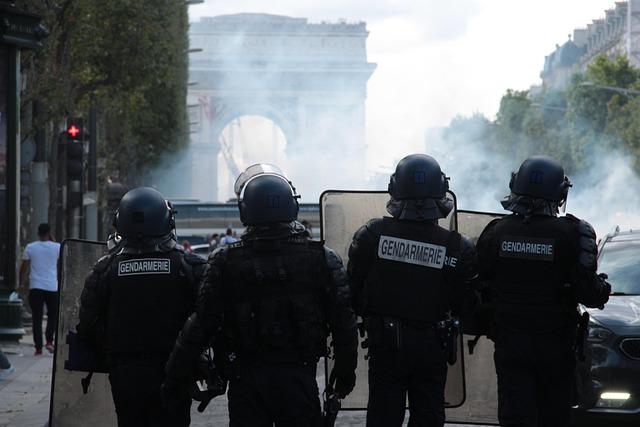
In response to the recent surge in looting amid widespread protests, law enforcement agencies in France are implementing a multi-faceted strategy aimed at restoring order and preventing future incidents. Increased police presence in key areas, especially those with significant commercial activity, is a primary tactic. Authorities are deploying riot police and utilizing drones for aerial surveillance to deter looters. Enhanced communication with local businesses is also being prioritized to ensure rapid reporting of suspicious activities, allowing for timely intervention and coordinated responses.
To complement immediate actions, longer-term strategies are being developed to address the root causes of unrest. Community engagement initiatives are crucial, focusing on dialogue with protestors to understand their grievances while establishing trust with local neighborhoods. Law enforcement is also exploring partnerships with local organizations and businesses to foster resilience against future unrest. The following table summarizes some of the key strategies being undertaken:
| Strategy | Description |
|---|---|
| Increased Patrols | Boosted police visibility in vulnerable areas to deter looting. |
| Aerial Surveillance | Use of drones for monitoring large crowds and identifying potential trouble spots. |
| Community Dialogues | Engagement with protestors to understand issues and foster cooperation. |
| Business Partnerships | Collaboration with local businesses to create safety initiatives and emergency response plans. |
Social Media’s Role in Mobilizing Protesters and Looters
In the wake of widespread protests across France, social media has emerged as a pivotal tool, significantly impacting the dynamics of public unrest. Platforms such as Twitter and Instagram have allowed demonstrators to organize, share live updates, and mobilize supporters in real-time. The power of hashtags has facilitated the rapid dissemination of messages, ensuring that calls for action reach a broad audience almost instantly. This form of communication not only draws attention to the protests but also serves to amplify the voices of those advocating for change. However, the ease of connectivity also poses challenges, as it can inadvertently enable criminal elements to exploit the chaos for their gain.
Amid the protests, incidents of looting have been reported alongside peaceful demonstrations. This troubling trend showcases how social media can facilitate the coordination of illicit activities. In particular, geotagging and live-streaming have allowed looters to identify and converge on vulnerable locations quickly. Moreover, the allure of trending topics can incentivize individuals, swayed by the whirlwind of online narratives, to partake in actions that diverge from the original intentions of the protests. This dual-edged nature of social media underscores the complexity of its role in contemporary civil unrest.
| Aspect | Impact on Protests | Impact on Looting |
|---|---|---|
| Organization | Facilitates quick mobilization of protesters | Aids in coordinating targets for looting |
| Visibility | Increases awareness of protest issues | Draws attention to specific locations, attracting looters |
| Messaging | Empowers grassroots narratives | Can promote sensationalism, encouraging criminal behavior |
Long-term Solutions to Address Social Unrest and Economic Disparities
Addressing the root causes of social unrest and economic disparities requires a multifaceted approach, focusing on both short-term relief and long-term systemic change. Investment in education and vocational training is imperative to equip the youth with necessary skills, ensuring they can compete in the modern job market. Additionally, fostering entrepreneurship through grants and low-interest loans can empower individuals in underserved communities, promoting economic independence and community resilience.
Local governments must also prioritize affordable housing and accessible healthcare to reduce economic strain on families. Policies aimed at creating living wages across industries can further alleviate financial pressures. Collaboration between public and private sectors is essential, especially in addressing issues like food insecurity and mental health services. A transparent dialogue between community leaders and affected populations will not only build trust but also create tailored solutions that meet the specific needs of diverse communities.
In Summary
In the wake of widespread protests across France, a troubling trend has emerged as looters capitalized on the chaos to target local businesses. Amidst the backdrop of public dissent against government policies, incidents of vandalism and theft have marred demonstrations, raising concerns about public safety and the impact on communities already strained by social unrest. Authorities are grappling with the dual challenge of addressing legitimate grievances while curbing criminal activities that overshadow the protests’ original intentions. As the situation unfolds, the resilience of both citizens and law enforcement will be tested, with calls for greater measures to protect businesses and restore order. The implications of these actions extend beyond immediate losses, threatening the fabric of trust and solidarity that communities strive to maintain in turbulent times.