The Business of the Tour de France: Navigating the Commercialism of a National Obsession
As the iconic yellow jersey rolls out each July, millions of eyes turn towards the Tour de France, a grand spectacle that transcends mere sport. However, behind the breathtaking landscapes and gripping competition lies a complex web of commercial interests that elevate the race from a national obsession to a global phenomenon. In this article, we delve into the multifaceted business of the Tour de France, examining how sponsorships, media rights, and merchandise converge to create an economic powerhouse. As teams battle for supremacy on the winding roads of France, we’ll explore how this legendary race has evolved into a lucrative enterprise, captivating audiences both at home and abroad. From the meticulous planning of logistics to the marketing strategies that position the event as a must-see highlight of the sporting calendar, the curious commercialism of the Tour de France reveals a delicate balance between passion and profit.
The Economic Impact of the Tour de France on Local Communities
The Tour de France extends its reach far beyond the cycling circuit, fueling economic activity in towns and cities along its route. Local businesses, from cafes to hotels, witness a surge in activity as thousands of fans flock to support the event. Restaurants often see their revenues soar by over 50% as they cater to visitors seeking a taste of local cuisine. The influx of spectators also provides an opportunity for vendors to sell souvenirs, promoting the local culture and generating additional income. Key benefits include:
- Increased foot traffic: Streets bustling with tourists contribute to a vibrant atmosphere.
- Job creation: Seasonal employment opportunities arise as businesses expand operations.
- Promotion of local brands: Small vendors gain visibility, often leading to lasting partnerships with larger enterprises.
A study conducted by local economic boards highlights the substantial financial impact of this annual spectacle. For instance, cities along the race route reported an average ROI of 3:1 from investments in Tour-related infrastructure. As shown in the table below, the economic outturn varies significantly depending on the region, reflecting differing levels of investment and planning.
| Region | Estimated Economic Impact (Million €) | Local Business Growth (%) |
|---|---|---|
| Provence-Alpes-Côte d’Azur | 15 | 65% |
| Languedoc-Roussillon | 10 | 40% |
| Brittany | 12 | 50% |
This event not only promotes tourism but also strengthens community ties as residents rally together to celebrate a shared passion. As the Tour winds its way through the picturesque landscapes of France, it serves as a powerful reminder of the interconnectedness of sports and local economies, highlighting the enduring legacy of this beloved race.
Sponsorship Strategies: How Brands Leverage the Cycling Phenomenon
The cycling phenomenon, particularly during the Tour de France, presents a unique landscape for brands eager to capitalize on the fervor surrounding this legendary event. Companies recognize that aligning their image with the passion and endurance embodied by cyclists can significantly boost their visibility and appeal. Sponsorship at this level often includes:
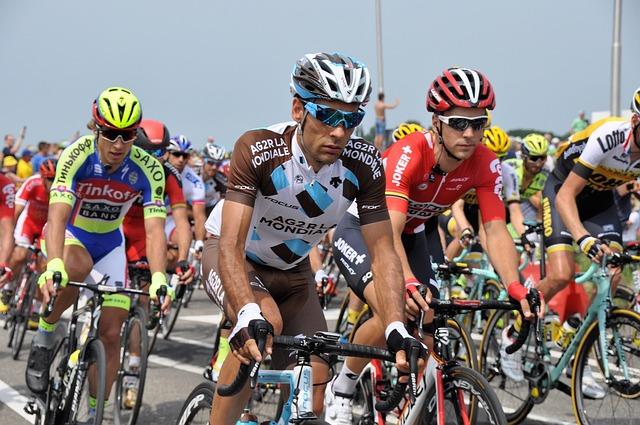
- Prominent logo placement on team jerseys and bikes
- Exclusive access to VIP events and branded experiences
- Utilization of social media campaigns that leverage athlete endorsements
- Targeted advertisements during televised coverage
Furthermore, brands are tapping into the emotional connection fans have with the sport, creating narratives that resonate deeply with audiences. Through innovative marketing tactics, partnerships have evolved beyond mere sponsorship to include immersive experiences such as:
- Interactive fan zones at stages
- Engaging digital content that follows riders’ journeys
- Community events that promote local cycling culture
Overall, marrying the adrenaline of the Tour with audience engagement strategies enables brands to create lasting impressions, driving both sales and brand loyalty in an increasingly competitive marketplace.
Media Rights and Broadcasting: The Global Reach of a French Tradition
The Tour de France exemplifies how a national sports event can flaunt its glamorous global appeal through expertly negotiated media rights and broadcasting arrangements. As a vital part of the race’s commercial landscape, partnerships with international broadcasters have transformed the event from a local competition into a global spectacle. With over 190 countries tuned in every year, channels like NBC in the United States and Eurosport in Europe play a crucial role in captivating millions. This international exposure not only elevates the Tour’s brand but also supercharges its financial inflow, allowing stakeholders to reap the rewards of a well-monetized tradition.
Moreover, the mix of digital platforms and traditional broadcasting has further widened the audience. Live streaming services, social media, and dedicated cycling apps are bridging the gap, reaching younger demographics and fostering a new generation of cycling fans. The evolution of broadcasting rights unfolds a masterclass in sports marketing, where collaborative strategies and robust content creation retain advertisers’ interest while enhancing fan engagement. The intricate balance between maintaining the race’s identity and driving commercial success remains pivotal as each edition of the Tour de France continues to strengthen its stature on a global scale.
Sustainability in Sports Marketing: A New Era for the Tour de France
The Tour de France is not just a grueling test of athleticism; it has evolved into a platform for sustainability, reflecting a shift in how brands engage with environmentally conscious consumers. As cycling transitions from a mere sport to a symbol of eco-friendly transportation, the marketing strategies surrounding the event have begun to embrace this paradigm. Brands are now focused on weaving sustainability into their narrative, showcasing initiatives like biodegradable products, electric support vehicles, and partnerships with environmental organizations. This strategy not only enhances their public image but also aligns them with the growing demand for greener practices in sports and beyond.
Key stakeholders in the Tour de France, including sponsors and teams, are beginning to adopt sustainability metrics as a vital component of their branding. These developments have led to several notable shifts, such as:
- Eco-Friendly Merchandise: The introduction of jerseys made from recycled materials.
- Waste Reduction Initiatives: Implementing zero-waste strategies at events to minimize environmental impact.
- Carbon Neutral Goals: Commitment from organizers to offset the carbon footprint of the race.
| Year | Sustainability Initiative |
|---|---|
| 2021 | Starting a comprehensive recycling program for event materials |
| 2022 | Transitioning to electric vehicles for race logistics |
| 2023 | Partnering with local NGOs for biodiversity restoration |
The Conclusion
As the Tour de France pedals into the annals of sporting history year after year, it does more than crown champions; it weaves a complex tapestry of commercial interests, global marketing strategies, and national pride. The event has transformed from a simple race into a multifaceted business powerhouse, drawing in a diverse array of stakeholders—from major sponsors to local businesses hoping to capitalize on its immense popularity.
With brands vying for visibility on the world stage and a devoted fan base eagerly engaging with the spectacle, the Tour exemplifies how sports can transcend mere competition, becoming a robust economic engine. As we reflect on this year’s edition, it is clear that the intersection of sport and commerce is not only a vital component of the Tour de France but also a fascinating lens through which to examine broader trends in the world of athletics.
As cycling enthusiasts and casual viewers alike gear up for the next race, one thing remains certain: the blend of tradition and commercialism will continue to shape the future of this iconic event, ensuring that the Tour de France remains a unique fusion of passion and profit for years to come.