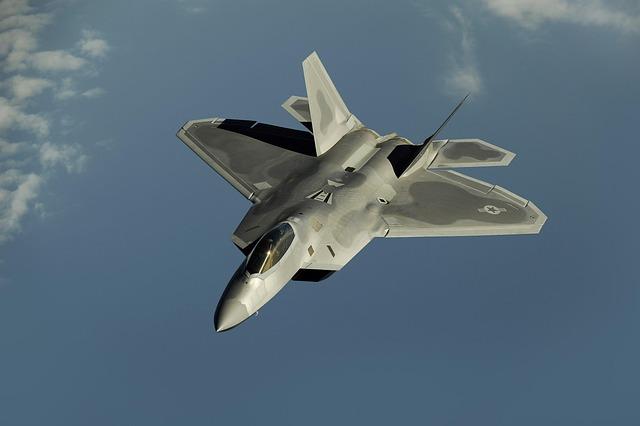
Germany and France have officially abandoned their joint fighter jet development program, Reuters reports, marking a significant setback for European defense cooperation. The decision comes amid escalating challenges in meeting technical and financial targets, raising questions about the future of collaborative military projects on the continent. The termination of the deal underscores the growing complexities facing European powers as they strive to modernize their air forces amid shifting geopolitical pressures.
Germany and France End Collaborative Fighter Jet Development Effort
In a significant setback for European defense collaboration, Germany and France have officially ended their joint effort to develop a next-generation fighter jet. The ambitious project, aimed at creating a state-of-the-art combat aircraft to succeed existing fleets, faced persistent challenges including technical disagreements, budget overruns, and diverging strategic priorities. Both nations have now decided to pursue independent paths to fulfill their future military aviation needs, signaling a shift in the regional defense landscape.
Key factors influencing the decision include:
- Disparate requirements and capabilities demanded by the two air forces
- Escalating costs that strained defense budgets
- Complex project management and coordination issues
The move leaves open questions about the broader implications for European defense integration and the future of collaborative military technology projects. Analysts suggest that while cooperation remains a goal, the demands of national security priorities may lead to more cautious partnerships ahead.
| Country | Projected Deliverable Year | Current Aircraft Program |
|---|---|---|
| Germany | 2030+ | Eurofighter Typhoon |
| France | 2035+ | Dassault Rafale |
Implications for European Defense Capabilities and Strategic Autonomy
The dissolution of the joint fighter jet initiative between Germany and France marks a critical turning point for European defense ambitions, putting a spotlight on the challenges of aligning national interests within the continent’s defense sector. This setback puts pressure on EU efforts to curb dependency on external military suppliers and complicates the roadmap toward a unified European defense industry. Moreover, it echoes concerns about fragmented capabilities that could undermine Europe’s readiness and influence on the global stage. The competing priorities that led to the project’s collapse highlight the delicate balance required to foster genuinely collaborative defense innovations.
Despite the disappointment, this development might spur a renewed focus on targeted, scalable defense solutions to enhance strategic autonomy across member states. Key considerations now include:
- Resource allocation: Reassessing funding strategies to ensure efficient use of defense budgets.
- Technological sovereignty: Prioritizing indigenous research and development to reduce external dependencies.
- Operational interoperability: Strengthening cross-border military coordination through standardized platform capabilities.
| Aspect | Before Project | Post-Project Impact |
|---|---|---|
| European Collaboration | High engagement and joint R&D | Fragmented approach, potential re-nationalization |
| Strategic Autonomy | Coordinated growth potential | Increased reliance on non-EU suppliers |
| Defense Capability | Cutting-edge fighter integration | Delayed modernization programs |
Analysis of Challenges Leading to Project Termination
The dissolution of the joint fighter jet initiative between Germany and France underscores a complex web of obstacles that proved insurmountable despite years of investment and collaboration. Central to the project’s collapse were divergent strategic priorities and conflicting defense procurement processes, which hindered unified decision-making. Germany’s focus on technological innovation clashed with France’s insistence on maintaining industrial sovereignty, exacerbating political tensions. Additionally, escalating costs and shifting geopolitical landscapes reduced the political will to persevere with the costly endeavor.
Operational challenges further compounded the difficulties. Key issues included:
- Disparate project timelines: Misaligned development schedules created delays and synchronization problems.
- Technological incompatibilities: Divergent design philosophies hindered the integration of core systems.
- Budgetary constraints: Rising expenditures sparked disagreements over financial contributions and cost-sharing.
- Industrial competition: Rivalries between German and French aerospace firms fueled mistrust and coordination breakdowns.
| Challenge | Impact | Status |
|---|---|---|
| Strategic divergence | Policy deadlocks and mixed priorities | Unresolved |
| Budget overruns | Reduced funding and political support | Critical |
| Technological mismatch | Integration delays and cost increases | Persistent |
| Industrial rivalry | Collaboration breakdowns | Unmitigated |
Recommendations for Future Franco-German Military Cooperation Initiatives
In light of the recent termination of the joint fighter jet project, it is imperative for both Germany and France to reevaluate their approach to bilateral military initiatives. Emphasizing greater flexibility in project scope and timelines could prevent the bureaucratic inertia that hindered the current venture. By adopting modular development strategies, future collaborations can allow each party to adjust contributions based on evolving technological capabilities and strategic needs, fostering resilience against unforeseen challenges.
To strengthen trust and operational synergy, the following measures should be prioritized:
- Enhanced transparency: Ensure continuous and clear communication channels between defense ministries and industry partners.
- Joint innovation hubs: Establish shared research centers focused on emerging technologies like AI, drone warfare, and cyber defense.
- Parallel smaller-scale projects: Complement large programs with pilot initiatives to build momentum and deliver incremental results.
- Standardized interoperability protocols: Facilitate seamless integration of equipment and systems within NATO frameworks and beyond.
| Key Aspect | Future Action |
|---|---|
| Project Management | Implement agile methodologies |
| Technology Sharing | Broaden cross-border R&D investments |
| Political Alignment | Regular high-level strategic dialogues |
| Industry Collaboration | Expand SME participation across borders |
Closing Remarks
The decision by Germany and France to abandon their joint fighter jet project marks a significant turning point in European defense collaboration. As both nations reassess their strategic priorities and seek alternative paths to modernize their air forces, the move underscores the complexities of multinational military development programs. Industry experts and policymakers alike will be closely watching the next steps, as this development could reshape the future trajectory of European aerospace and defense cooperation.