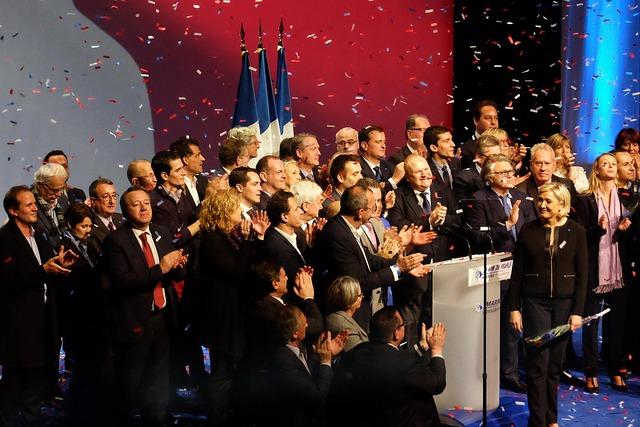
In a politically charged atmosphere, the spotlight has once again turned to the controversial figure of Marine Le Pen as she prepares to make waves in France’s upcoming elections. Known for her far-right ideologies and strong stance on immigration, Le Pen’s influence within French politics continues to grow, challenging traditional party lines and reshaping the political landscape. This article delves into her recent activities, public reception, and the implications of her potential policies on both national and international stages. As the nation stands at a crossroads, understanding Le Pen’s vision and strategy is crucial for grasping the future of France’s political climate.
France’s Political Landscape and the Rise of Marine Le Pen’s Influence
In recent years, France has witnessed a significant shift in its political landscape, with Marine Le Pen emerging as a formidable force within the country’s right-wing politics. As the leader of the National Rally party, Le Pen has adeptly capitalized on growing public sentiment surrounding issues such as immigration, national identity, and economic instability. Her ability to connect with disenchanted voters, particularly in rural areas, has enabled her to gain traction against traditional parties, resulting in a notable increase in her party’s electoral success. This shift is underscored by her increasing presence in the National Assembly, where her party has established itself as a key player in shaping legislative decisions.
One of the pivotal factors contributing to Le Pen’s rising influence is her strategy of rebranding the National Rally, distancing it from its controversial past. She has focused on promoting a more palatable image, emphasizing economic nationalism and social issues that resonate with wider audiences. Furthermore, her adept use of media, particularly social platforms, has allowed her to reach demographics previously untouched by her party. To illustrate the transformation in public perception, consider the following table, which highlights key milestones in Le Pen’s political journey:
| Year | Event |
|---|---|
| 2017 | Le Pen reaches the second round of the presidential election. |
| 2018 | Rebranding of the National Rally from National Front. |
| 2020 | Increase in local election victories. |
| 2022 | Secures 41.5% of the vote in presidential runoff. |
Analyzing the Electoral Strategies of the National Rally Party
The National Rally Party, under the leadership of Marine Le Pen, has adopted multifaceted electoral strategies that resonate with various segments of the French electorate. Central to their approach is a focus on national identity and security, which appeals to voters concerned about immigration and terrorism. This has been coupled with a strong anti-European Union sentiment, positioning the party as a defender of French sovereignty. The party utilizes social media extensively to reach younger demographics, crafting messages that emphasize issues such as economic hardship and social justice, effectively bridging traditional right-wing concerns with left-leaning grievances.
Key elements of their campaign strategy include:
- Targeted Outreach: Engaging local associations and grassroots movements to amplify their message.
- Populist Rhetoric: Utilizing emotionally charged language that emphasizes the struggles of ordinary French citizens against a perceived elite.
- Flexibility on Policy: Adjusting policy stances to align with voter concerns, such as shifting focus on economic protectionism in the face of globalization.
In terms of demographics, the party’s support base is notably diversified. Their appeal is particularly strong among individuals in economically deprived areas and those feeling alienated by mainstream politics, as illustrated in the following table:
| Demographic | Support Levels |
|---|---|
| Working-Class Voters | 65% |
| Young Voters (18-25) | 50% |
| Rural Residents | 70% |
This tailored appeal demonstrates the party’s strategic pivot towards inclusivity while maintaining its core principles, ensuring that it remains a significant force in French politics. As the National Rally gears up for future elections, its ability to adapt and effectively communicate its message will be crucial in solidifying its influence and electoral success.
Public Sentiment: Understanding Voter Support for Le Pen
In the lead-up to the upcoming elections, public sentiment around Marine Le Pen continues to garner significant attention, reflecting a complex interplay of national issues and voter priorities. Many supporters view her as a staunch advocate for localized interests and national sovereignty. Her stance on immigration and national security resonates particularly well with voters concerned about cultural identity and perceived threats from globalization. In a recent survey, a notable percentage of respondents highlighted specific factors influencing their support for Le Pen:
- Concerns over immigration policy: 68% cite immigration as a critical issue.
- Desire for economic protectionism: 54% favor policies that protect local jobs.
- National security concerns: 70% express worry about rising crime rates attributed to immigration.
Additionally, demographics play a pivotal role in shaping Le Pen’s voter base. Younger voters and those from economically disadvantaged regions are increasingly aligning with her platform as they seek alternative pathways to stability and opportunity. A recent demographic analysis sheds light on these shifts:
| Age Group | Support Level (%) | Key Issues |
|---|---|---|
| 18-24 | 42% | Job creation, Sovereignty |
| 25-34 | 55% | Economic security, Nationalism |
| 35-50 | 60% | Immigration, Law and order |
This evolving landscape suggests that Le Pen’s appeal transcends traditional boundaries, drawing support from a diverse coalition unified by shared apprehensions about the future of France. As the election draws near, understanding these dynamics will be crucial for navigating the political climate in the country.
Recommendations for Navigating France’s Shifting Political Climate
Adapting to France’s evolving political landscape requires a proactive approach. Engaging with local communities and understanding their concerns can provide insights that are essential for navigating the complexities of shifting political sentiments. Here are some key strategies to employ:
- Stay Informed: Regularly follow credible news sources to grasp the latest developments in French politics.
- Engage in Dialogue: Participate in discussions within local forums and social media groups focused on political issues.
- Monitor Trends: Keep a close eye on public opinion polls and electoral trends, as they can signal potential shifts in policy.
Networking with politically active individuals and organizations can also enable better understanding and influence. Establish connections and collaborate on initiatives that resonate with the community. Here’s a quick reference table to understand key political parties and their platforms:
| Political Party | Main Platform |
|---|---|
| Rassemblement National | Nationalism & Immigration Control |
| LREM | Pro-European Union & Economic Reform |
| Les Républicains | Conservatism & Law-and-Order |
| France Insoumise | Left-Wing Politics & Social Justice |
Final Thoughts
In conclusion, Marine Le Pen’s political trajectory continues to reshape the landscape of French politics, revealing deep-seated divisions and the complexities of national identity in the face of modern challenges. As France approaches pivotal elections, the implications of Le Pen’s rhetoric and policy positions will resonate beyond its borders, influencing not only French citizens but also the broader European sociopolitical climate. Observers will be keenly watching how her party’s evolving narrative aligns with sentiments among the electorate, marking a critical juncture in the ongoing dialogue about nationalism, immigration, and the future of the European Union. The outcome could redefine not only Le Pen’s own political aspirations but also the ideological battleground within France and across Europe as a whole.