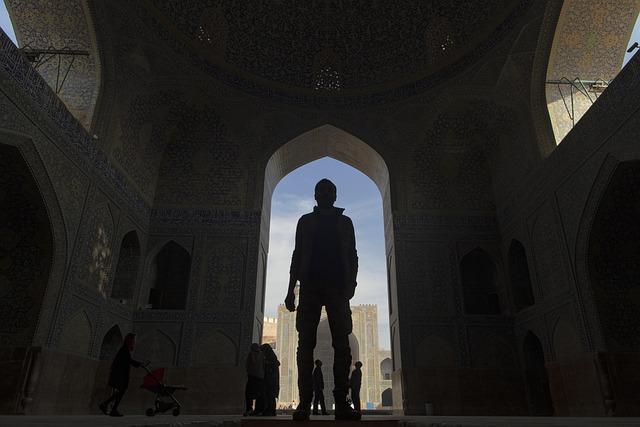
Title: From the Mosque to the Church: The Changing Religious Landscape in Iran
In a country where religious identities are often rigidly delineated, the interplay between Islam and Christianity in Iran is becoming increasingly complex. As the Islamic Republic grapples with issues of freedom, expression, and identity, a growing number of Iranians are seeking solace in alternate spiritual paths. This article delves into the profound transformation occurring within Iranian society, shedding light on the experiences of individuals who have transitioned from the mosque to the church. Through personal narratives and expert insights, we explore the implications of this shift on Iran’s religious fabric and the challenges posed by socio-political constraints. Amidst rising tensions and a quest for spiritual authenticity, what does this trend signal for the future of faith in a nation steeped in tradition?
Transitioning Faith in Iran’s Complex Landscape
In the heart of Iran, the interplay of faith and identity reflects a landscape fraught with challenges and transformations. Many individuals are seeking spiritual fulfillment beyond traditional interpretations of Islam, exploring new avenues for worship and connection. The transitional journey from a mosque to a church symbolizes not only a shift in religious architecture but also a profound personal evolution. Iranians are increasingly questioning the orthodoxy of their faith, which can be attributed to several factors:
- Cultural Exchange: Exposure to different beliefs through globalization.
- Social Media Influence: Platforms facilitating discussions about faith.
- Political Climate: Government regulations that push some towards alternative faiths.
This evolving spiritual landscape has also opened up a dialogue about the intersectionality of faith and freedom, leading to communities that seek both. The formation of underground churches provides a sanctuary for those wishing to express their beliefs outside state-sanctioned confines. Noteworthy developments include:
| Key Developments | Description |
|---|---|
| Church Planting | Emergence of secret worship spaces. |
| Cross-Faith Dialogues | Initiatives fostering conversations between Muslims and Christians. |
Challenges of Religious Freedom and Tolerance
The struggle for religious freedom in Iran has mounted over the years, with individuals facing severe repercussions for embracing faiths outside the state-sanctioned ideology. Reports indicate a pervasive atmosphere where minority religions, such as Christianity and Baha’i, are systematically oppressed. The government often employs tactics such as imprisonment, surveillance, and forced conversions in an attempt to stifle any expression of diversity. Moreover, instances of discrimination permeate daily life, discouraging individuals from openly practicing their beliefs or associating with members of other faith communities.
This climate of intolerance fuels a growing division among various faith groups, leading to security concerns and further isolating communities. The malleable definition of blasphemy in laws allows for broad interpretations, resulting in arbitrary arrests. The impact is especially devastating on youth, who might feel trapped in an environment that paradoxically promotes both nationalism and religious conformity. The lack of a dialogue between religions exacerbates misunderstandings, making it imperative for local and international advocates to push for reform and promote a culture of respect and coexistence.
| Challenges | Consequences |
|---|---|
| Government Surveillance | Chilling effect on religious expression |
| Arbitrary Arrests | Fear of practicing faith |
| Lack of Interfaith Dialogue | Worsening sectarian tensions |
| Forced Conversions | Undermined personal autonomy |
The Role of Interfaith Dialogue in Promoting Understanding
Interfaith dialogue serves as a pivotal platform for fostering mutual respect and understanding among diverse religious communities. In a country like Iran, where religious diversity faces challenges, this dialogue can break down barriers and dispel myths. Engaging in open conversations allows participants to share their beliefs while also appreciating the narratives of others. By emphasizing common values, such as compassion and justice, participants can find shared ground that transcends religious differences. Some effective strategies for deepening these dialogues include:
- Community Workshops: Organizing events where various faith groups come together to share their perspectives.
- Interfaith Celebrations: Highlighting significant religious holidays across faiths to foster joy and camaraderie.
- Collaborative Projects: Partnering to address societal issues, such as poverty or education, that affect all communities.
Moreover, fostering relationships through educational initiatives is essential in dispelling ignorance and fostering empathy. Schools and universities can serve as arenas for students from different faith backgrounds to engage in constructive discussions, thereby nurturing a climate of tolerance. As these young people learn from each other, they become catalysts for change within their communities. Statistics show that regions that actively promote interfaith understanding experience lower levels of conflict, underscoring the overall benefits of such initiatives:
| Region | Conflict Level | Interfaith Initiatives |
|---|---|---|
| Middle East | High | Limited |
| South Asia | Moderate | Emerging |
| Western Nations | Lower | Established |
Recommendations for Strengthening Community Bridges
Building bridges between communities in Iran requires an intentional effort to foster dialogue and collaboration. Encouraging interfaith dialogue can serve as a powerful tool in this regard, bringing together diverse groups to share their beliefs and values. Community leaders should host joint events or forums that promote understanding and respect. Furthermore, educational initiatives that focus on cultural exchange can be instrumental in breaking down misconceptions and stereotypes that often lead to division.
In addition to dialogue, collaborative projects can strengthen community ties. Local organizations, whether from mosques or churches, can partner in initiatives such as food drives, health clinics, and environmental clean-up efforts. This not only addresses immediate community needs but also builds trust and unity among different groups. A regular schedule of such events can create a lasting impact, fostering a sense of belonging and shared purpose among all participants.
Future Outlook
In conclusion, “From the Mosque to the Church in Iran” sheds light on the complex and often perilous journey of religious conversion within a nation marked by its rich Islamic heritage and stringent laws governing faith. The personal narratives shared reveal the profound struggles and extraordinary resilience of individuals who navigate the intricacies of leaving one faith for another. As Iran grapples with its historical context and the evolving dynamics of religious expression, these stories prompt critical conversations about freedom of belief and the rights of minorities. The challenges faced by these converts serve as a poignant reminder of the broader socio-political landscape in which faith and identity intersect. As the discourse on religious tolerance continues to evolve globally, the plight and perseverance of those transitioning from the mosque to the church in Iran remain vital to understanding the ongoing quest for spiritual autonomy in a complex world.