France to Host New EU Customs Authority in Lille
In a significant development for European trade and customs operations, France has been selected to host the new European Union customs authority in the northern city of Lille. The decision, announced earlier this week, marks a pivotal step in the EU’s efforts to enhance border management and streamline customs processes amid evolving trade dynamics. As the bloc continues to navigate challenges related to Brexit, international trade tensions, and recent supply chain disruptions, the establishment of this authority is expected to play a crucial role in fortifying economic cohesion and regulatory alignment across member states. This article delves into the implications of this decision for France, the EU, and the broader framework of customs unity within Europe.
France Establishes New EU Customs Authority in Lille
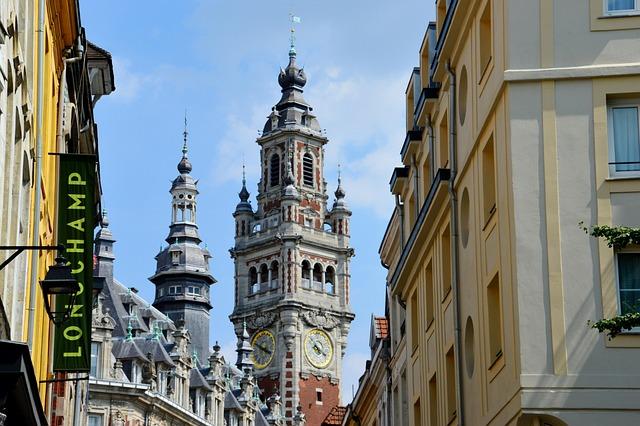
In a groundbreaking move, France has officially established a new customs authority in Lille, aiming to streamline operations and enhance trade efficiency across European borders. This decision reflects the increasing complexity of international trade and the need for a more cohesive customs framework within the EU. By localizing this authority in Lille, a city strategically positioned near key transport routes, France seeks to bolster its role as a trade hub while fostering closer ties among EU member states.
The new authority will focus on several key objectives to maximize its impact:
- Efficiency: Simplifying customs processes to facilitate faster trade.
- Compliance: Ensuring homogeneous adherence to EU regulations among member states.
- Innovation: Leveraging technology to modernize customs operations.
- Collaboration: Enhancing cooperation between national customs authorities.
| Aspect | Details |
|---|---|
| Location | Lille, France |
| Objective | Streamline customs operations |
| Key Function | Enhance trade compliance |
| Benefits | Increased trade speed, reduced costs |
Strategic Implications for Trade and Customs across Europe
The establishment of a new EU customs authority in Lille signals a transformative phase in Europe’s trade landscape. This development not only positions France as a central player in EU customs governance but also underscores a shift towards greater efficiency and cohesion in customs operations across member states. Key implications include:
- Standardized Procedures: Improved uniformity in customs procedures can reduce delays and inaccuracies that currently plague cross-border trade.
- Enhanced Cooperation: With the authority based in Lille, member states may find it easier to collaborate on enforcement and regulatory measures.
- Streamlined Processes: A dedicated body can leverage technology to simplify customs processes, benefiting both businesses and government entities.
The strategic location of Lille is set to facilitate quicker communication between customs officials, traders, and policymakers, fostering an environment conducive to innovation in trade practices. Additionally, this initiative may bring about a ripple effect impacting investment strategies in the region. A preliminary analysis of projected economic benefits includes:
| Category | Estimated Impact |
|---|---|
| Job Creation | 500+ new positions in customs and trade facilitation |
| Trade Volume Growth | Projected 10% increase over five years |
| Cost Reductions | 15% savings for businesses on customs compliance |
Operational Challenges and Opportunities for the New Authority
With the establishment of the new EU customs authority in Lille, a series of operational challenges have surfaced that will require strategic navigation. Bureaucratic integration remains a significant hurdle, as harmonizing customs procedures across member states can lead to inconsistencies in implementation. Additionally, the authority must tackle technological integration, ensuring that all member states adopt compatible systems to facilitate trade and maintain security. Concerns over staff recruitment and training also arise, as a skilled workforce is critical to manage the complexities of customs regulations. The success of this new body will depend greatly on its ability to counter these obstacles.
However, the new authority also stands at the precipice of numerous opportunities. Enhancing trade efficiency presents a vital avenue for growth, enabling quicker customs clearance processes that will boost economic engagement across the EU. Moreover, the emphasis on digitalization holds the promise of modernizing customs oversight, leading to improved accuracy and reduced fraud. Furthermore, by fostering robust collaborative frameworks with member states, the authority can cultivate a unified approach to tackling smuggling and other illicit activities, ultimately leading to strengthened borders and increased economic stability for the entire region.
Recommendations for Enhancing Customs Efficiency and Cooperation
To improve customs efficiency and foster cooperation among EU member states, several strategic recommendations can be implemented. Firstly, enhancing technological integration across borders can streamline processes. By investing in automated systems that synchronize data sharing, customs authorities can minimize delays and reduce manual errors. Moreover, increased collaboration with private sector stakeholders can enhance service delivery and facilitate real-time information exchange.
Furthermore, establishing regular training programs for customs personnel is essential to keep pace with evolving regulations and practices. Such initiatives will ensure that border officials are not only well-informed about current policies but also equipped with best practices in risk management and compliance. In addition, creating a centralized platform for a cross-border customs community could enable stakeholders to share insights and participate in joint initiatives aimed at reducing administrative burdens and enhancing operational transparency.
To Wrap It Up
In conclusion, France’s decision to host the new EU customs authority in Lille marks a significant step in enhancing trade efficiency and strengthening border management across Europe. As the EU navigates the complexities of global commerce and internal regulations, the establishment of this authority is expected to streamline processes and bolster collaboration among member states. With Lille’s strategic location and robust infrastructure, the city is poised to become a vital hub in the European customs landscape. As the initiative unfolds, all eyes will be on Lille to see how it adapts to the challenges and opportunities that lie ahead in a rapidly evolving economic environment.