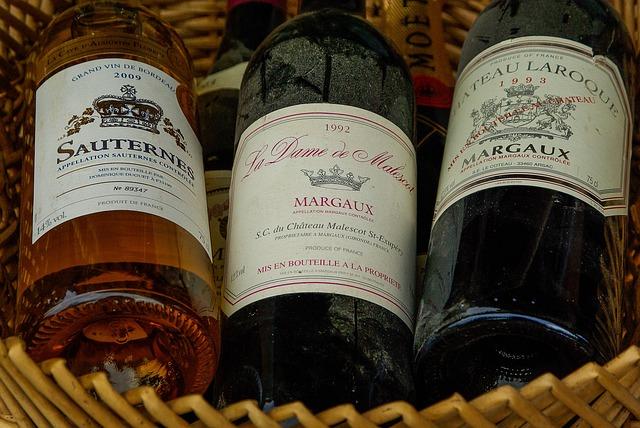
Title: A ‘Bordeaux Bubble’? The Rising Chinese Demand for Premium French Wines Sparks Global Speculation
As the sun sets over the rolling vineyards of Bordeaux, the region’s illustrious reputation for producing some of the world’s finest wines faces an unprecedented challenge—intense demand from Chinese investors. Driven by a burgeoning middle class with an insatiable appetite for luxury goods, the thirst for top-tier French labels has raised concerns about the sustainability of wine prices and the potential for a speculative bubble. In this unfolding drama, wine connoisseurs and financial analysts alike are grappling with the implications of this trend, as historic estates and sought-after vintages become coveted commodities on the global market. This article examines the factors fueling this phenomenon, the risks involved, and what it could mean for the future of Bordeaux and the international wine community.
Chinese Demand and the Bordeaux Market Dynamics
The burgeoning demand from Chinese consumers for premium Bordeaux wines is reshaping market dynamics, sparking concerns over a potential bubble. Historically, Bordeaux has been synonymous with luxury, yet the influx of Chinese buyers seeking iconic labels has intensified competition and raised prices significantly. Wine merchants are witnessing this surge firsthand, as top-tier Bordeaux estates become increasingly coveted. This phenomenon is marked by:
- Skyrocketing Prices: Vintage wines such as Château Lafite Rothschild and Château Margaux are fetching record sums at auctions.
- Increased Investment: Wine is increasingly viewed as a secure asset class, leading to speculation from investors worldwide.
- Changing Preferences: Younger Chinese consumers are gravitating towards high-end French wines, shifting the demographic landscape in the market.
Market experts are raising eyebrows as the Bordeaux region experiences this unprecedented spike in interest. The historic nature of these wines combined with their investment potential creates a precarious balance. A significant contributor to this evolution is the evolving profile of the Chinese consumer, who not only seeks to enjoy but also to invest. In response, Bordeaux producers are adapting their strategies to meet this insatiable demand. Consider the following trends:
| Trend | Description |
|---|---|
| New Market Strategies | Producers are diversifying marketing efforts to capture the Chinese demographic. |
| Enhanced Distribution | Increased partnerships with Asian distributors to streamline supply chains. |
| Luxury Branding | A focus on highlighting heritage and exclusivity to appeal to affluent buyers. |
Potential Impact of Speculation on Global Wine Prices
The surge in interest from Chinese collectors for prestigious French wines, especially Bordeaux, has sparked a flurry of speculation that could transform global wine markets. As high-net-worth individuals in China increasingly turn their attention to fine wines as a status symbol and investment vehicle, we may see a pronounced shift in pricing dynamics. The historical price stability of certain Bordeaux labels may soon become a thing of the past, with auction houses and wine merchants capitalizing on this growing demand. The implications of this speculation can be significant and include:
- Price Inflation: Record bids for sought-after vintages could drive prices skyward, impacting accessibility for average consumers.
- Market Volatility: An unpredictable wine market may emerge, likened to tech or real estate bubbles, leading to potential market corrections in the future.
- Cultural Shifts: The status associated with owning top labels may encourage more investors outside traditional markets, further inflating prices globally.
Furthermore, as speculation intensifies, it may encourage producers to alter their viniculture practices, focusing on producing wines that appeal to speculative buyers rather than adhering to traditional craftsmanship. In a market already influenced by scarcity and limited supplies, wine estates might prioritize perceived value over quality, ultimately reshaping the landscape of global wine production. The impact could also extend to other regions as foreign investments in wine—the ‘Bordeaux Bubble’—could prompt competition among winemakers globally. The confluence of these factors indicates that the ramifications of speculative trends may reverberate far beyond the Bordeaux region, affecting wine enthusiasts and investors alike.
Investing in Luxury Wines: Risks and Rewards
As the fervor for fine wines, particularly esteemed French labels, continues to surge among investors, the potential pitfalls loom just as large as the rewards. The allure of luxury wines is not just in their exquisite taste but also in their investment potential; however, the market remains volatile. Investors must navigate a maze of factors that can influence value, including vintage quality, critical ratings, and changing consumer preferences. Moreover, the crossover between speculation and genuine appreciation can blur the lines, leading to inflated prices that may not be sustainable.
To mitigate risks in this burgeoning market, investors should consider:
- Diversification: Spreading investments across various labels and regions can reduce exposure to market fluctuations.
- Market Research: Keeping abreast of market trends and auction results will equip investors with the knowledge to make informed decisions.
- Age Considerations: Understanding how a wine’s maturity affects its market value is crucial, as wines may not always appreciate uniformly.
| Wine Region | Average Price per Bottle ($) | 3-Year Price Change (%) |
|---|---|---|
| Bordeaux | 300 | -10 |
| Burgundy | 500 | 20 |
| Champagne | 150 | 5 |
Strategies for Producers to Navigate Emerging Trends
As the allure of top French labels continues to captivate Chinese consumers, producers must employ innovative strategies to stay ahead in a rapidly evolving market. Engaging with local partners in China can enhance distribution and brand visibility, creating a smoother pathway for new entrants into this lucrative segment. By fostering relationships with importers and distributors familiar with Chinese consumer behavior, producers can better tailor their offerings. Leveraging social media platforms popular in China, such as WeChat and Douyin, can also drive awareness and appreciation for premium wines among a younger demographic eager to indulge in luxury experiences.
In addition, producers should consider adopting dynamic pricing strategies that reflect global demand and manage speculative bursts. This involves closely monitoring market trends and adjusting prices accordingly to maintain competitiveness while maximizing profits. Investing in quality storytelling around their brands will help create emotional connections with consumers, making them feel part of the brand’s journey. Lastly, a strong emphasis on sustainability and transparency in production can resonate with Chinese consumers, who are increasingly prioritizing ethical consumption, thereby positioning brands favorably for long-term success.
Future Outlook
As the allure of Bordeaux wines continues to captivate affluent Chinese consumers, industry experts warn that this burgeoning demand may usher in a speculative bubble reminiscent of past market fluctuations. While the increased interest provides a boost to the French wine economy, it also raises questions about sustainability and the long-term implications for both producers and consumers. As investors and collectors navigate this volatile landscape, the balance between appreciation and speculation will be crucial to preserving the storied legacy of Bordeaux. In a rapidly changing global market, only time will reveal whether this thirst for premium labels will solidify a new standard or lead to an inevitable downturn.