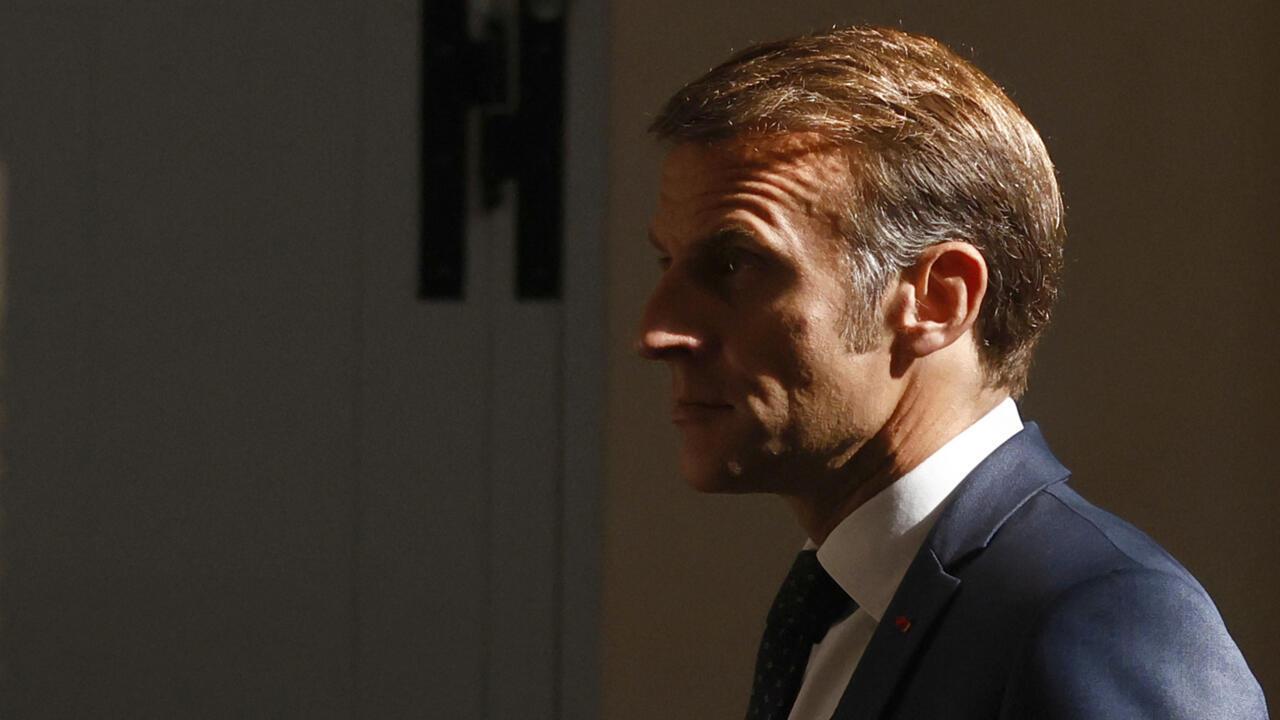
In a dramatic turn of events that underscores his mounting political challenges, President Emmanuel Macron faces increasing isolation as key allies withdraw their support. The latest developments come as his outgoing Prime Minister engages in urgent negotiations to salvage a fragmented government amid rising discontent. As the political landscape in France shifts, the stability of Macron’s administration hangs in the balance, sparking questions about the future direction of his presidency and the implications for French governance. With the country navigating turbulent waters, eyes are on the ongoing discussions, which may determine the course of Macron’s leadership and the broader political climate in France.
Macron Faces Growing Political Isolation Amid Electoral Challenges
President Macron finds himself increasingly isolated as a series of electoral setbacks has led to a diminishing support base within his own party and among traditional allies. The struggle to garner legislative backing for his ambitious reforms has intensified tensions, prompting former allies to reconsider their commitments. Notable figures in his administration are reportedly contemplating a shift in loyalty, potentially jeopardizing his majority in the National Assembly. Analysts suggest that this growing divide could significantly hinder Macron’s policy agenda as he approaches crucial negotiations on economic recovery and climate change initiatives.
In a last-ditch effort to consolidate his power, outgoing Prime Minister Élisabeth Borne has initiated a series of emergency talks with key political players. The urgency of these discussions is underscored by the challenging political landscape and the upcoming local elections. Stakeholders are expressing concerns over key issues, including:
- Public dissatisfaction: Increasing protests demand more significant action on social inequality.
- Potential coalition shifts: Smaller parties may leverage the situation to negotiate better positions.
- Policy paralysis: Without legislative support, crucial reforms may remain stalled, further eroding public trust.
Allies Depart as Legislative Setbacks Raise Questions on Governance
The political landscape in France has shifted dramatically as President Macron faces mounting challenges from former allies, signaling a troubling trend for his administration. With significant legislative setbacks in recent months, key figures who once supported his initiatives are now reconsidering their alliances. Observers note that this shift reveals deeper questions about governance and the future of Macron’s policy agenda. The potential ramifications include a fractured party base and increased difficulty in passing crucial reforms, particularly in sectors such as education, health, and climate policy.
As Macron’s support dwindles, the outgoing Prime Minister is scheduled for urgent discussions with party leaders and remaining allies to strategize a way forward. The stakes are high, as a lack of cohesive support could usher in further instability. Stakeholders are increasingly concerned about the following issues:
- Policy Implementation: Delays in rolling out important reforms.
- Public Trust: Erosion of confidence in government institutions.
- Electoral Risks: Increasing vulnerability ahead of upcoming elections.
The uncertainty surrounding the administration has left many questioning whether Macron can effectively unite his fractured coalition and regain the momentum necessary to push through his legislative agenda.
Outgoing Prime Minister Seeks Urgent Solutions in Final Negotiations
As the political landscape shifts dramatically in France, the outgoing Prime Minister has entered a critical phase of negotiations aimed at securing urgent solutions before departing office. With key allies distancing themselves and a growing sense of isolation in the political arena, the Prime Minister’s last-ditch efforts are marked by high stakes. Crisis management has never been more pressing, as the administration grapples with:
- Economic instability exacerbated by rising inflation rates
- Social unrest fueled by widespread protests over proposed reforms
- Diplomatic challenges as France navigates its role within the European Union
Amid these mounting pressures, negotiations have taken on a sense of urgency to address both domestic and international concerns. Recent discussions have highlighted the need for a cohesive strategy that not only appeases dissenters within the legislative framework but also reassures the public. The PM is now left weighing tough choices, illustrated in the table below, as alliances fracture and the urgency to establish a stable transition looms larger:
| Key Issues | Proposed Solutions |
|---|---|
| Inflation Control | Implement price caps on essential goods |
| Public Discontent | Launch a national dialogue initiative |
| EU Relations | Enhance collaborative economic policies |
Potential Paths Forward: Strategies for Rebuilding Political Alliances
The challenges facing Emmanuel Macron are manifold, yet several potential strategies could be employed to overcome political isolation. Forging new coalitions with smaller, previously overlooked parties could provide Macron with a more stable support base. Key steps include:
- Engagement in Dialogue: Prioritizing open discussions with opposition leaders to identify common ground on pressing issues.
- Policy Compromise: Adjusting legislative proposals to include elements that resonate with a broader spectrum of constituents.
- Grassroots Campaigns: Organizing local initiatives to rebuild trust and demonstrate commitment to constituents’ needs.
Further, Macron might benefit from a strategic recalibration focused on public perception. By enhancing communication efforts, he could navigate public dissatisfaction more effectively. Actions to consider include:
- Transparent Governance: Ensuring that policy-making processes are visibly inclusive and participatory.
- Regular Public Forums: Hosting events where citizens can voice their concerns and feel heard.
- Utilization of Social Media: Creating a more relatable digital presence to engage younger demographics and counter negative narratives.
To Wrap It Up
In summary, President Emmanuel Macron’s political landscape is increasingly fraught as key allies withdraw their support, signaling a potential shift in France’s governance approach. The outgoing Prime Minister’s urgent discussions reflect the urgency of the current situation, as they attempt to stabilize a fracturing coalition. As Macron navigates these turbulent waters, the coming weeks will be critical in determining both his administration’s future and the broader political climate in France. Observers will be closely monitoring developments as the nation grapples with governance challenges amidst shifting allegiances. The implications of these dynamics could reshape the French political arena in ways that resonate beyond Macron’s presidency.