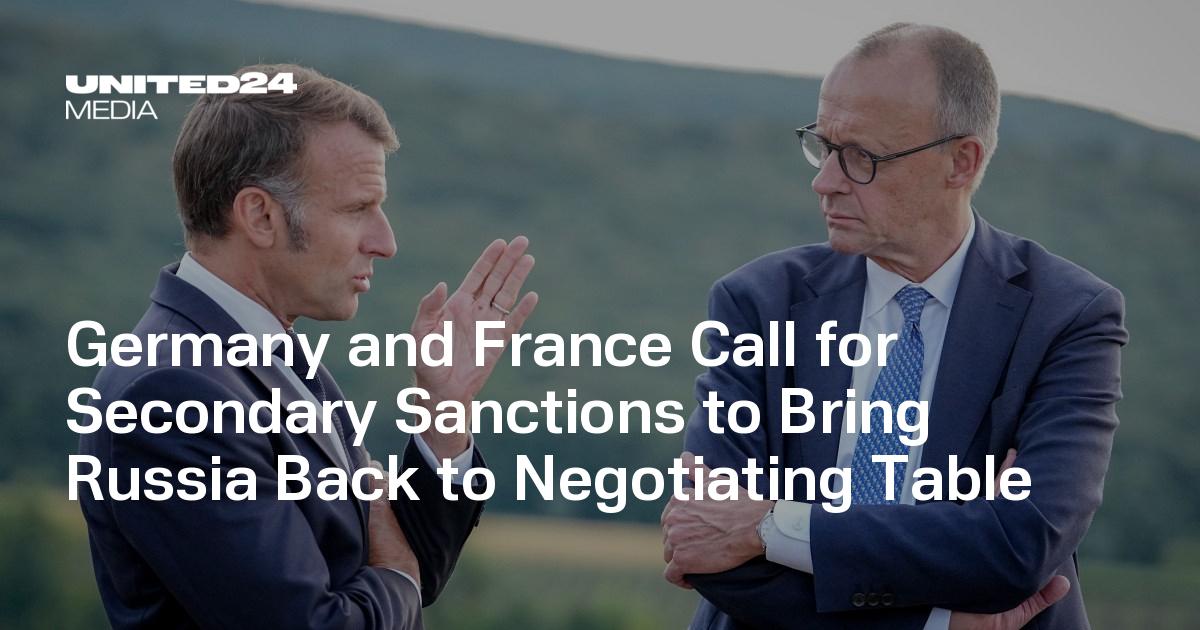
In a concerted effort to intensify pressure on Russia amid the ongoing conflict in Ukraine, Germany and France are advocating for the implementation of secondary sanctions targeting individuals and entities that continue to support the Kremlin’s military operations. This initiative, gaining momentum within the European Union, aims to strengthen existing measures against Russia while tightening the net around those who facilitate its actions from outside the country. As the war enters a new phase, the implications of such sanctions could reshape the geopolitical landscape in Europe, prompting debates on their effectiveness and potential ramifications across the continent.
Germany and France Unite for Stronger Sanctions on Russia in Ukraine Conflict
In a significant display of solidarity, Germany and France are advocating for a robust implementation of secondary sanctions against Russia in response to its ongoing military aggression in Ukraine. This move emphasizes the necessity of enacting economic measures that would impact not only direct transactions but also parties that trade with Russia. The leaders from both nations assert that this step is critical to bolstering international resolve and ensuring that those supporting Russia’s actions are held accountable. They are calling for a unified front among European allies to prevent any loopholes that could undermine the efficacy of sanctions.
To further this cause, Germany and France have proposed the establishment of a task force aimed at enhancing coordination among European nations. The task force would focus on various aspects of sanctions enforcement, including but not limited to:
- Monitoring compliance with existing sanctions
- Identifying new sectors for potential sanctions
- Engaging in diplomatic efforts to strengthen support from non-European allies
Furthermore, both nations are set to collaborate on an information-sharing platform that would provide real-time analytics on any attempts to circumvent sanctions. The intention is to foster a proactive approach, making it increasingly difficult for Russian entities to find alternative avenues for trade. Such comprehensive strategies aim to apply tangible pressure on the Kremlin while underscoring the unity and determination of Europe in standing against aggression.
Impact of Secondary Sanctions: Economic Ramifications and International Response
The push for secondary sanctions on Russia by Germany and France represents a pivotal shift in the international response to the ongoing conflict in Ukraine. Secondary sanctions target not only the primary nation involved in sanctions but also third-party entities that conduct business with that nation. By extending these measures, Germany and France aim to exert greater economic pressure on Russia, amplifying the cost of its military actions. This strategy could potentially deter nations and companies from engaging economically with Russia, thereby isolating it further on the global stage. Key implications include:
- Increased economic isolation of Russia
- Strain on international trade partnerships
- Potential backlash or retaliation from countries still aligned with Russia
As countries consider the ramifications of these expanded sanctions, the broader economic landscape faces uncertainty. Implementation of secondary sanctions could lead to a ripple effect, impacting supply chains and global markets. For instance, industries reliant on Russian resources may be forced to adapt rapidly, giving rise to new investment opportunities elsewhere. In this context, an enhanced dialogue among Western nations is critical to coordinate their approach, ensuring that sanctions are effective and do not undermine the collective goal of a stable international market. The following table highlights potential sectors affected by these measures:
| Sector | Possible Impact |
|---|---|
| Energy | Supply shortages leading to rising prices |
| Agriculture | Disruption of grain exports |
| Technology | Increased costs for tech imports |
Strategic Recommendations for Enhanced Sanction Enforcement in the EU
As the EU grapples with the implications of escalating sanctions against Russia, strategic measures are essential for bolstering compliance and effectiveness. Strengthening diplomatic channels is crucial; engaging with affected nations can foster a united front against circumvention efforts. Additionally, enhancing intelligence-sharing mechanisms among EU member states can improve the overall oversight of sanction implementations. Key initiatives may include:
- Establishment of specialized task forces to monitor compliance.
- Organizing workshops and briefings for businesses on the legal landscape of sanctions.
- Collaborating with financial institutions to identify and curb illicit financial flows.
Furthermore, implementing secondary sanctions would serve as a compelling deterrent for third-party nations and entities attempting to undermine EU efforts. The establishment of a blacklist targeting those who engage in commerce with sanctioned Russian entities could draw significant consequences, compelling compliance through economic pressure. An informative table highlighting key sectors and potential risks can provide clarity on the areas requiring immediate attention:
| Sector | Risk Level | Recommended Actions |
|---|---|---|
| Energy | High | Regulate imports and exact payments through restricted channels |
| Financial Services | Medium | Enhance scrutiny of transactions with high-risk territories |
| Technology | Low | Monitor exports of dual-use technologies |
Global Implications of Coordinated Sanctions on Russian Aggression
The push by Germany and France for secondary sanctions against Russia marks a pivotal moment in international policy regarding the ongoing conflict in Ukraine. Coordinated sanctions have the potential to create a ripple effect across global markets, altering trade dynamics and reinforcing the notion that aggression will not go unchecked. By expanding sanctions beyond mere economic measures to include broader industries and countries that enable Russian actions, these nations aim to isolate Moscow diplomatically and financially. This approach signals a robust European commitment to deterrence, urging other nations to follow suit and emphasizing that the impact of Russian aggression will not be tolerated on any front.
As countries consider their responses to this call for secondary sanctions, several factors come into play that could influence global stability:
- Economic Recovery: Nations reliant on Russian energy may face economic backlash, necessitating a balance between sanctions and energy needs.
- Geopolitical Alliances: Countries with ties to Russia may resist participation, complicating global consensus and responses.
- Trade Routes: Enhanced sanctions could disrupt established trade routes, leading to potential shortages and increased prices worldwide.
| Impact Area | Potential Consequences |
|---|---|
| Energy Supply | Increased prices and supply shortages |
| European Economy | Risk of recession due to energy dependence |
| Global Trade | Reevaluation of trade partnerships |
To Wrap It Up
As the conflict in Ukraine continues to unfold, Germany and France’s push for secondary sanctions on Russia underscores a significant shift in European foreign policy. By advocating for stricter economic measures, these nations aim to exert greater pressure on Moscow, seeking to hold it accountable for its actions. The evolving response from the European Union reflects a commitment to solidarity with Ukraine and a willingness to confront aggressors on the global stage. As discussions progress, the international community will be watching closely, aware that the decisions made in the coming days could have profound implications for regional stability and the geopolitical landscape. The next steps taken by European leaders will not only shape the course of the current conflict but also set a precedent for how international alliances respond to future crises.