France has once again become the epicenter of nationwide school protests, as students across the country mobilize to voice their concerns over education reforms and broader social issues. Sparking intense debates among policymakers, educators, and families alike, these demonstrations underscore the growing unrest within the younger generation. In this article, we delve into everything you need to know about France’s school protests—from their origins and key demands to their impact on the education system and society at large.
Background and Causes of France’s School Protests
The recent wave of school protests in France is deeply rooted in widespread discontent over proposed educational reforms and the evolving socio-economic landscape. At the heart of the unrest is the government’s plan to overhaul the baccalauréat system, seen by many students and educators as a threat to equal opportunity and academic rigor. Additionally, cuts in school funding and the increasing pressure on youth to succeed in an unstable job market have fueled frustration, igniting a collective call for change across campuses nationwide.
Other contributing factors include:
- Rising tuition and living costs making education less accessible for disadvantaged groups.
- Concerns about mental health support within educational institutions.
- Growing inequality highlighted by disparities in school resources.
- Political climate that students perceive as neglectful of youth voices.
| Cause | Impact | Student Response |
|---|---|---|
| Reform of Baccalauréat | Fear of decreased access to university | Mass demonstrations and petitions |
| School Funding Cuts | Reduction in educational materials and staff | Classroom strikes and sit-ins |
| Economic Pressures | Increased anxiety over future careers | Public debates and awareness campaigns |
Key Events and Student Demands Explained
The protests that have swept across France’s educational institutions this year were sparked by a combination of urgent student concerns and wider social grievances. Central to the demonstrations is the opposition to recent government policies affecting schools, including budget cuts, curriculum changes, and reduced support services. Students are demanding increased funding for schools, improved mental health resources, and greater student participation in educational decision-making. These demands reflect deeper frustrations with an education system many feel is increasingly under-resourced and disconnected from their needs.
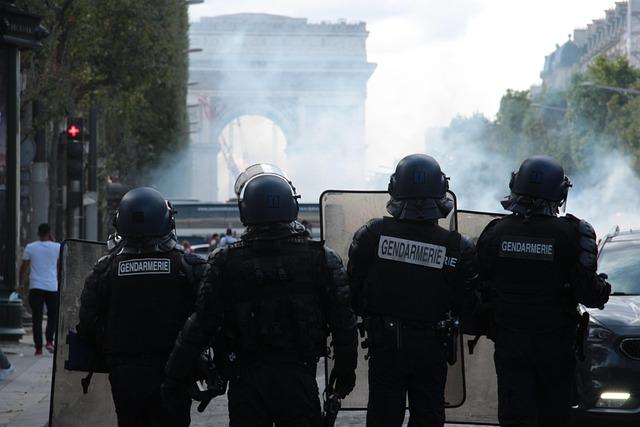
Key events have escalated quickly, beginning with peaceful sit-ins that rapidly escalated into weekly nationwide protests involving thousands of students. Clashes with police have been reported, particularly around symbolic sites like the Sorbonne University and Place de la République in Paris. On top of institutional reforms, students are also advocating for broader social justice issues, including climate action and anti-discrimination measures within schools. The sustained momentum shows no sign of waning, with upcoming rallies planned and calls for negotiations with government officials growing louder.
- Budget cuts leading to fewer resources per student
- Curriculum reforms seen as limiting educational opportunities
- Demand for mental health support in schools
- Calls for student representation in policymaking
- Protests intertwined with wider social justice movements
| Date | Event | Location |
|---|---|---|
| March 15, 2024 | First major sit-in | Paris Sorbonne |
| April 10, 2024 | National student march | Multiple cities |
| May 2, 2024 | Clash with police | Place de la République |
| June 5, 2024 | Negotiation talks scheduled | Government HQ, Paris |
Impact on Education and Public Policy
The recent wave of protests in France’s educational sector has cast a spotlight on both the deficiencies in the current system and the urgency for comprehensive reform. Beyond immediate disruptions, these demonstrations have sparked a nationwide debate about student welfare, funding allocation, and the structure of academic curricula. Policymakers are now facing mounting pressure to respond with tangible changes that address the protesters’ concerns rather than mere rhetoric.
Among the key policy proposals under consideration are:
- Increased budget for mental health services in schools to support students facing unprecedented stress levels.
- Revision of school curricula to better align with future labor market needs and technological advancements.
- Enhanced teacher training programs aimed at equipping educators with tools to manage diverse classrooms more effectively.
| Policy Focus | Expected Outcome | Timeline |
|---|---|---|
| Funding Boost for Schools | Improved infrastructure and resources | 2024–2026 |
| Curricular Overhaul | Modernized education aligned with digital economy | 2025–2027 |
| Teacher Support Initiatives | Higher teaching quality and retention | 2024–2025 |
Expert Recommendations for Navigating Ongoing Unrest
Individuals directly affected by the ongoing school protests in France should prioritize safety and stay informed through verified channels. Experts urge participants and observers alike to:
- Monitor local news and official government updates for real-time changes in demonstration zones.
- Avoid areas with high tension or reported violence and respect any curfews or public safety advisories.
- Plan alternative routes when traveling to avoid transport disruptions and crowd congestion.
- Communicate clearly with family or work contacts about whereabouts and safety plans.
Schools and community leaders are advised to adopt flexible approaches to minimize educational disruption. Here’s a quick overview of recommended strategies for educational institutions:
| Strategy | Purpose | Implementation Tips |
|---|---|---|
| Remote Learning Options | Maintain continuity of education during physical disruptions | Use digital platforms and assign supplementary assignments |
| Flexible Attendance Policies | Reduce stress and accommodate students impacted by protests | Allow excused absences and create catch-up opportunities |
| Open Communication Channels | Address concerns and provide psychological support | Offer regular updates and maintain dialogue between staff, students, and parents |
Closing Remarks
As France’s school protests continue to evolve, they remain a focal point of national discussion on education reform and youth engagement. Understanding the motivations behind these demonstrations, as well as their impact on policymaking and everyday life, is crucial for grasping the broader social dynamics at play. Stay tuned for ongoing coverage as the situation unfolds and the voices of France’s students shape the future of the country’s education system.