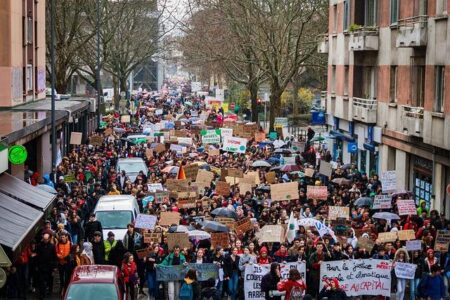
France has officially implemented nighttime curfews in Paris and several other cities, a decisive move aimed at curbing the ongoing surge in COVID-19 cases. Announced on [specific date], the measures reflect the government’s commitment to public health and safety amid increasing concerns over the spread of the virus. Authorities have stated that these curfews will remain in effect “for as long as necessary,” signaling a readiness to adapt as the situation evolves. This development adds to a series of restrictions across the nation, highlighting the delicate balance between controlling the pandemic and maintaining public life. As communities adjust to these new regulations, the impact on daily routines and local economies remains to be seen.
France Implements Nightly Curfews to Combat Rising COVID-19 Cases
In response to the surging number of COVID-19 infections, France has introduced nightly curfews aimed at curtailing social gatherings and restricting movement during critical hours. The measure, which will be enforced in Paris and several other major cities, comes as health officials express concerns over hospital capacities and the potential for overwhelmed healthcare systems. The curfews will begin at 9 PM and last until 6 AM, requiring citizens to adjust their nightlife habits significantly. Authorities emphasize that this initiative is a temporary solution intended to stabilize the situation.
The government has outlined specific exemptions to the curfew rules to maintain essential activities, including:
- Emergency services and medical personnel
- Travelers returning from work or necessary journeys
- Animal care for those with pets
Local businesses, particularly in the hospitality sector, are likely to face additional challenges as they adapt to reduced operating hours. However, officials are hopeful that these necessary precautions will have a positive impact on controlling the virus’s spread while protecting public health without resorting to a full lockdown.
Impact on Daily Life and Local Businesses Amid Restrictions
The implementation of nightly curfews across major cities such as Paris has transformed the rhythm of daily life for residents and visitors alike. With restrictions in place, the streets once filled with evening activities have become eerily quiet, while restaurants and cafés face significant challenges adapting to a new operating model. Key consequences include:
- Economic Strain: Local businesses are experiencing downturns with reduced patrons during curfew hours.
- Adaptation Strategies: Establishments are pivoting to offer takeout and delivery options to sustain revenue.
- Community Impact: Social gatherings are limited, affecting local interactions and community cohesion.
With the ongoing changes, businesses are also grappling with uncertainty regarding the duration of these measures. To illustrate the impact, the following table outlines a comparison of business operations before and after the imposition of curfews:
| Aspect | Before Curfew | After Curfew |
|---|---|---|
| Operating Hours | Open until midnight | Close by 9 PM |
| Customer Volume | High foot traffic | Drastically reduced |
| Revenue Sources | Dine-in, late-night sales | Takeout and delivery only |
This abrupt adjustment not only highlights the resilience of local entrepreneurs but also underscores the community’s reliance on these businesses for social engagement and economic activity. The long-term effects of such restrictions remain to be seen, but the current landscape suggest a period of significant adaptation is on the horizon.
Public Health Experts Weigh In on the Effectiveness of Curfews
Public health experts are increasingly examining the role of curfews in controlling infectious disease spread. While advocates argue that curfews can effectively limit the hours of social interaction, critics question their overall impact on public health outcomes. Experts highlight several key considerations:
- Behavioral Changes: People may adapt to curfews by congregating in larger groups before the enforced hours, potentially undermining public health goals.
- Enforcement Challenges: Ensuring compliance can strain law enforcement resources and create tensions within communities.
- Public Sentiment: The acceptance of curfews often depends on public trust in government actions and communication strategies.
Research suggests that the effectiveness of such measures can vary greatly based on local context. In some regions, temporary restrictions led to a decrease in infection rates, while others saw minimal effects. A recent review highlighted the following factors that influence curfew effectiveness:
| Factor | Influence on Effectiveness |
|---|---|
| Population Density | Higher densities may amplify spread, making curfews more critical. |
| Healthcare Access | Areas with robust healthcare systems may benefit more from restrictive measures. |
| Public Compliance | Higher compliance rates are linked to more effective outcomes. |
Recommendations for Residents to Navigate the New Normal
As residents adjust to the newly implemented nightly curfews in Paris and other cities, it’s essential to adopt strategies that promote safety and well-being. Being proactive can make this transition easier for everyone. Consider the following suggestions:
- Plan Ahead: Familiarize yourself with curfew hours to avoid unnecessary surprises. Ensure all errands are completed well before the restrictions begin.
- Stay Informed: Regularly check local news and government announcements to stay updated on any changes to the curfew regulations.
- Utilize Digital Platforms: Explore virtual options for activities, entertainment, and social interactions to maintain a sense of community without breaking rules.
Additionally, for those navigating commuting and work-related obligations under these restrictions, communication is key. Employers should be transparent with their teams regarding expectations during these times. Implementing the following practices can help:
| Practice | Description |
|---|---|
| Flexible Work Hours | Allow employees to adjust their schedules to align with curfew times. |
| Remote Work Options | Encourage teams to work from home whenever possible to minimize travel. |
| Regular Check-ins | Host daily or weekly virtual meetings to maintain connection and support. |
In Conclusion
In conclusion, France’s implementation of nightly curfews in Paris and several other cities marks a significant response to the ongoing challenges faced amid rising health concerns. Officials emphasize that these measures are essential for safeguarding public health and will remain in place “for as long as necessary.” As the country navigates this delicate balancing act between public safety and economic stability, the situation continues to evolve. Residents and businesses alike are urged to stay informed and adapt to the changing landscape as France strives to emerge from these turbulent times. For ongoing updates and developments, stay tuned to NPR.