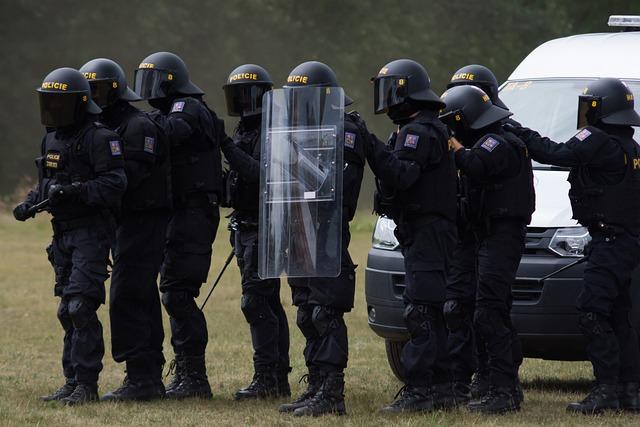
French riot police deployed tear gas as more than 250,000 demonstrators took to the streets across the country Wednesday, demanding increased funding for schools. The nationwide rallies, organized by educators and unions, underscored growing frustration over under-resourced classrooms and worsening conditions in the education sector. Clashes between police and protesters were reported in several cities, highlighting tensions as the government faces mounting pressure to address the crisis.
French Riot Police Use Tear Gas to Disperse Large-Scale Student Funding Protests
Massive demonstrations erupted across France as students and educators took to the streets to demand increased funding for education. Authorities deployed riot police who resorted to tear gas in an effort to control the swelling crowds, which exceeded 250,000 participants nationwide. Protesters voiced frustration over deteriorating school conditions and understaffed classrooms, highlighting the urgent need for government intervention.
- Key Demands: Enhanced school infrastructure, higher teacher salaries, and increased educational resources.
- Locations Affected: Major rallies were reported in Paris, Lyon, Marseille, and several other cities.
- Police Measures: Use of tear gas and barricades to contain the demonstrations.
| City | Number of Protesters | Police Response |
|---|---|---|
| Paris | 80,000 | Tear gas deployed |
| Lyon | 45,000 | Riot police presence |
| Marseille | 30,000 | Citywide patrols |
Nationwide Demonstrations Reveal Growing Public Demand for Education Reform
Across cities from Paris to Lyon, citizens took to the streets in unprecedented numbers, highlighting the urgency of school funding issues. Demonstrators, including students, teachers, and parents, voiced their concerns over deteriorating infrastructure, overcrowded classrooms, and insufficient resources for a quality education. The widespread protest reflected a collective demand for comprehensive policy changes, prompting authorities to grapple with escalating tensions amidst calls for meaningful reform.
Authorities responded to the mass gatherings with riot police deploying tear gas in several hotspots, aiming to control the swelling crowds. The government’s stance remains firm on budget constraints, but the public pressure is mounting as the following key demands gain traction:
- Increased funding for teacher salaries and training programs
- Modernization of school facilities nationwide
- Reduced class sizes to improve student engagement
- Investment in mental health and counseling services
| City | Approximate Protesters | Major Issues Raised |
|---|---|---|
| Paris | 80,000 | School overcrowding, teacher wages |
| Lyon | 45,000 | Facility conditions, resource shortages |
| Marseille | 35,000 | Student support services, class size |
| Bordeaux | 20,000 | Funding cuts, educational equity |
Government Faces Intensifying Pressure to Increase School Budgets and Improve Conditions
Amid nationwide demonstrations that drew over 250,000 participants, public outcry has surged with citizens demanding urgent reforms to education funding. Protesters, including teachers, parents, and students, emphasized the deteriorating state of school infrastructure and growing class sizes as evidence of systemic neglect. Police response escalated tensions, with reports confirming the use of tear gas to disperse crowds in several cities. This confrontation highlights the widening gap between governmental budget allocations and the evolving needs of the education sector.
Key grievances raised during the rallies include:
- Chronic underfunding leading to outdated teaching materials and facilities
- Increased workload and stagnating wages for educators
- Lack of support for vulnerable students and specialized programs
- Growing class sizes undermining educational quality and student engagement
| Category | Current Funding | Demanded Increase |
|---|---|---|
| Infrastructure | €2.5 billion | €4 billion |
| Teacher Salaries | €1.8 billion | €3 billion |
| Student Support Programs | €0.5 billion | €1.2 billion |
Experts Recommend Enhanced Dialogue Between Authorities and Protesters to Prevent Escalation
Authorities and protest leaders stress the urgency of open channels of communication to mitigate tensions during large-scale demonstrations. Experts from various social and political fields highlight that proactive engagement can defuse potential conflicts before they escalate into violence. Establishing designated platforms for dialogue allows both sides to voice concerns, clarify intentions, and collaboratively seek solutions that address the root causes of civil unrest.
Several measures have been proposed to reinforce this cooperative approach, including:
- Regular pre-event meetings between police commanders and protest organizers
- Real-time communication teams embedded within protest crowds
- Neutral mediators facilitating post-event debriefs and accountability discussions
| Proposed Initiatives | Expected Outcome |
|---|---|
| Dialogue Workshops | Mutual understanding, fewer clashes |
| Community Liaison Officers | Improved trust, prompt conflict resolution |
| Feedback Mechanisms | Police transparency, enhanced accountability |
In Summary
As protests continue to unfold across France, the government faces mounting pressure to address the demands for increased school funding. The deployment of riot police and tear gas marks a tense escalation in a nationwide movement that shows no signs of abating. Authorities and demonstrators alike will be closely watched in the days ahead as the nation seeks a resolution to this growing crisis in the education sector.