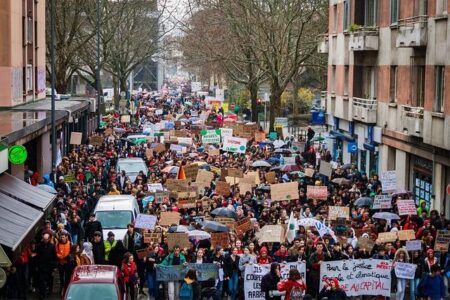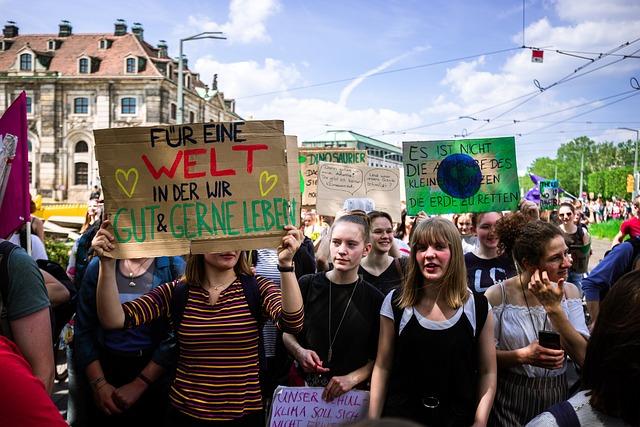
France’s ongoing wave of school protests has escalated beyond educational grievances to ignite a broader political crisis, exposing deep divisions within French society and governance. What began as student demonstrations against reforms in the education system has rapidly morphed into a nationwide confrontation involving unions, political parties, and the government. This article examines the factors driving the protests, the response from President Emmanuel Macron’s administration, and the wider implications for France’s social and political stability.
Background and Causes Behind France’s School Protests
The recent wave of school protests across France has roots deeply embedded in longstanding grievances related to educational reforms. Students, parents, and educators have voiced strong opposition against the government’s attempts to restructure the public education system. Central to the unrest is the controversial policy to increase the school leaving age and modify exam protocols, which many argue exacerbates inequality and pressures an already strained system. Beyond education, these protests have crystallized broader dissatisfaction with economic austerity and social policies perceived as disproportionately favoring the elite.
Key factors fueling the movement include:
- Rising youth unemployment coupled with uncertain future prospects
- Budget cuts leading to reduced school resources and support
- Perceived lack of government transparency in decision-making processes
- Wider discontent related to pension reforms and labor laws
| Cause | Impact |
|---|---|
| Educational Reform Cuts | Reduced support and increased dropout risk |
| Economic Inequality | Heightened tensions among working-class youth |
| Labor and Pension Discontent | Unified various social groups in protest |
Impact of the Protests on National Politics and Public Opinion
The protests, initially sparked by dissatisfaction within the education sector, have rapidly transcended their origins to influence the broader political landscape. Public confidence in the government has notably dipped as the unrest highlights deeper societal rifts. Polls reveal a growing skepticism toward the ruling parties’ ability to address not only educational reforms but also economic inequality and social justice issues. This erosion of trust has forced politicians to recalibrate their strategies, with opposition groups seizing the moment to amplify their calls for systemic change.
Key repercussions include:
- Polarization of public opinion: The protests have intensified divisions, as debates over government policies dominate both media and everyday conversations.
- Pressure on policymakers: Officials face mounting demands to negotiate and respond swiftly, lest unrest spread further.
- Mobilization beyond education: Various social movements have aligned, linking the protests to larger grievances such as labor rights and pension reforms.
- Impact on upcoming elections: Political actors are bracing for shifts in voter behavior influenced by the demonstrations’ momentum.
| Aspect | Effect |
|---|---|
| Government Approval Ratings | Down by 15% |
| Public Concern Areas | Education, Economy, Social Equality |
| Opposition Growth | Significant increase |
| Media Coverage | National and international attention |
Government Response and Strategies to Address the Crisis
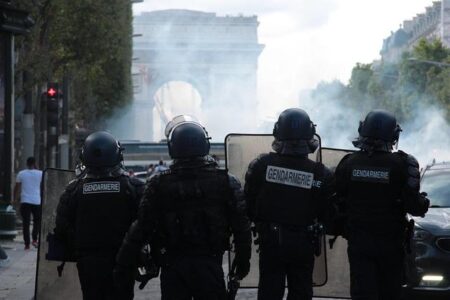
In response to escalating unrest across educational institutions, the French government has implemented a multi-tiered approach aimed at diffusing tensions and restoring order. Initially, officials engaged directly with student representatives and union leaders, seeking dialogue to understand core grievances and avoid further escalation. Simultaneously, security forces were deployed to key protest hotspots to maintain public safety, though this move was met with criticism from civil rights groups and opposition parties who argued that it risked inflaming the situation. Recognizing the underlying socio-economic concerns driving much of the dissent, the government unveiled targeted investments in education infrastructure and announced measures to support disadvantaged youth.
Key strategies adopted include:
- Enhanced funding for school facilities and digitization projects
- Expansion of mental health services for students
- Revision of proposed education reforms through parliamentary committees
- Increased dialogue forums involving parents, teachers, and policymakers
- Temporary suspension of contentious policy elements pending review
Despite efforts to address core issues, the government faces challenges in balancing firm law enforcement with diplomatic engagement in a politically charged atmosphere. A recent parliamentary report highlighted the complex dynamics between regional authorities and national policymakers, underscoring the necessity for coordinated action to prevent further fragmentation of political consensus.
| Initiative | Status | Expected Impact |
|---|---|---|
| School Infrastructure Funding | Underway | Improved learning environments |
| Policy Reform Dialogue | Ongoing | Greater stakeholder buy-in |
| Mental Health Programs | Planned | Enhanced student wellbeing |
| Security Deployment | Active | Maintenance of public order |
Potential Pathways Forward for Rebuilding Trust in French Education
Rebuilding trust in France’s education system demands a multifaceted approach that addresses both the immediate grievances and the underlying structural issues. First, fostering open and transparent communication between policymakers, educators, and unions is essential. This can be achieved through the establishment of regular, inclusive forums where all stakeholders have a voice, helping to reduce misinformation and build mutual understanding. Alongside dialogue, the government must commit to concrete policy changes that reflect the concerns raised—especially regarding funding, class sizes, and teacher working conditions—thereby demonstrating responsiveness and respect toward the educational community.
Beyond communication and reform, innovation plays a critical role in revitalizing confidence. Integrating more community-driven initiatives, such as local education councils, can empower teachers, parents, and students to participate actively in decision-making processes. Additionally, implementing targeted support programs for disadvantaged schools could help reduce educational inequality, a core factor fueling social discontent. The table below outlines some of the proposed pathways, emphasizing collaboration, investment, and equity as pillars for long-term recovery.
| Key Measures | Focus Area | Expected Impact |
|---|---|---|
| Inclusive Stakeholder Forums | Communication | Improved trust and transparency |
| Increased Funding & Resource Allocation | Infrastructure & Staffing | Better class sizes and teacher support |
| Decentralized Decision-Making | Community Involvement | More local autonomy and engagement |
| Targeted Support for Disadvantaged Schools | Educational Equity | Reduced disparity and social tension |
Key Takeaways
As France’s school protests continue to ripple through the nation, what began as education sector grievances have escalated into a broader political crisis, exposing deep societal divisions and challenging the government’s authority. The unfolding situation underscores the complex interplay between youth activism, labor unrest, and political dissent, raising urgent questions about France’s social cohesion and the future direction of its governance. In the coming weeks, how authorities and protesters navigate these turbulent waters will be pivotal in shaping the country’s political landscape.