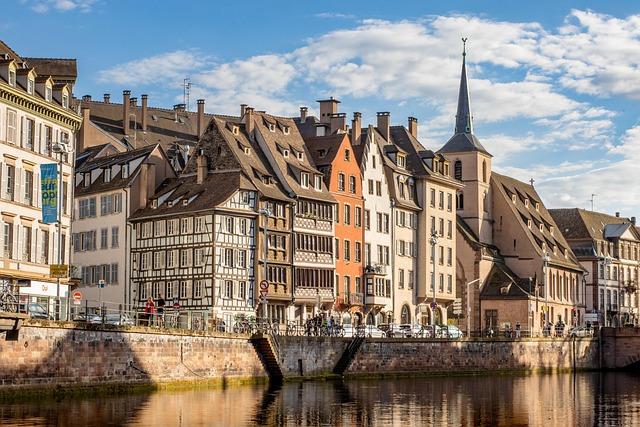
Exploring Strasbourg: A Tapestry of Architecture and Culture
Nestled at the crossroads of France and Germany, Strasbourg stands as a testament to centuries of history, artistry, and cultural exchange. This enchanting city not only boasts a rich architectural heritage, highlighted by its iconic Gothic cathedral and charming half-timbered houses, but also serves as a vibrant hub of European identity. As visitors embark on an architectural and cultural tour of Strasbourg, they are invited to traverse the cobblestone streets of La Petite France and the grand plazas of the European institutions, experiencing the seamless blend of tradition and modernity that defines this UNESCO World Heritage site. Join us as we delve into the myriad ways Strasbourg reflects the intricate tapestry of its past and its dynamic role in contemporary Europe.
Exploring Strasbourg’s Iconic Gothic Cathedrals and Architectural Marvels
Strasbourg, the capital of the Alsace region, is a treasure trove of Gothic architecture, where the past seamlessly intertwines with the present. The centerpiece of the city is the magnificent Notre-Dame Cathedral, an awe-inspiring masterpiece that towers at 142 meters, making it the tallest medieval building in Europe. Visitors are captivated by its stunning façade adorned with intricate sculptures and the famous astronomical clock, which delights crowds with its hourly performance. Other notable Gothic structures include the Saint-Thomas Church, famous for its remarkable organ, and the Saint-Pierre-le-Jeune Church, which showcases an exquisite blend of Gothic and baroque styles.
Beyond the towering cathedrals, Strasbourg boasts a rich array of architectural wonders that reflect its multifaceted history. The delightful Petite France district draws visitors with its half-timbered houses and charming canals, painting a picturesque scene reminiscent of a fairy tale. Another architectural gem, the Palais Rohan, represents the splendor of European baroque and offers a glimpse into the region’s illustrious past. For those eager to explore the contemporary side, the European Parliament building stands as a symbol of unity, showcasing modern design that harmoniously contrasts with its historic surroundings. The city’s diverse architecture is not just a feast for the eyes but also a testament to Strasbourg’s rich cultural tapestry.
A Journey Through the Rich Cultural Tapestry of Strasbourg
Strasbourg, a city at the confluence of French and German cultures, encapsulates a unique blend of architectural styles reflecting its tumultuous history. Gothic marvels like the Strasbourg Cathedral, with its stunning astronomical clock, stand juxtaposed with Renaissance and Baroque buildings that line the picturesque canals of La Petite France. Visitors can stroll through the old town, UNESCO World Heritage-listed, where half-timbered houses whisper tales of the past. The vibrant markets, rich with local produce and crafts, further enhance the city’s charm, making it a vibrant hub of cultural exchange.
In addition to its architectural splendor, Strasbourg is known for its exceptional cultural institutions. The Strasbourg Museum of Modern and Contemporary Art, with its impressive collection of works, showcases both local and international artists, while the National Theatre offers an eclectic mix of performances ranging from classical to contemporary. Culinary experiences abound, with local specialties such as tarte flambée and schaeffers taking center stage in the city’s bustling eateries. The annual Strasbourg Christmas Market, one of the oldest in Europe, transforms the city into a festive wonderland, drawing visitors from around the globe to celebrate in a truly enchanting atmosphere.
| Attraction | Description |
|---|---|
| Strasbourg Cathedral | A stunning Gothic cathedral known for its intricate facade and astronomical clock. |
| La Petite France | Charming neighborhood characterized by its half-timbered houses and winding canals. |
| Strasbourg Museum of Modern and Contemporary Art | Features an extensive collection of contemporary artworks, both local and international. |
| National Theatre | Showcases a diverse range of theatrical performances throughout the year. |
| Strasbourg Christmas Market | A historic market that draws visitors with festive crafts and local delicacies. |
Culinary Delights: The Gastronomic Heritage of Alsace
Alsace’s culinary heritage is a rich tapestry woven from centuries of cultural exchange and local innovation. This region of France combines the influences of German and French cuisine, creating unique dishes that tantalize the taste buds. Among the standout offerings are Choucroute garnie, a savory dish of fermented cabbage served with various sausages and meats, reflecting the area’s love for rich, hearty flavors. Equally noteworthy is Coq au Riesling, a classic chicken dish prepared with the region’s famed Riesling wine, highlighting the local vineyards’ exceptional quality.
The Alsatian penchant for fine pastries and desserts is equally captivating. Treat yourself to a slice of Tarte flambée, a thin-crust pie topped with crème fraîche, onions, and lardons, or indulge in the region’s iconic Kugelhopf, a sweet, yeasted cake studded with raisins and almonds. Markets across Strasbourg brim with aromatic spices and local ingredients, making culinary exploration a must for visitors. To enhance your gastronomic journey, be sure to pair your meals with a selection from the region’s renowned wines, elevating every dining experience to something truly memorable.
Navigating Strasbourg’s Historic District: A Guide to Must-See Sights
Strasbourg’s historic district, known as the Grande Île, is a UNESCO World Heritage site brimming with stunning architecture and cultural landmarks. Begin your exploration at the Cathedral of Notre-Dame, an emblem of Gothic design that captivates with its intricate facade and stunning astronomical clock. Just a short stroll away, you’ll find the La Petite France district, characterized by its half-timbered houses and picturesque canals, making it a perfect spot for photography and leisurely walks along the water. Don’t miss the Palais Rohan, which houses three museums that delve into the rich history and art of the region.
As you wander through the charming streets, take a moment to indulge in local specialties at one of the traditional winstubs, where you can savor the flavors of Alsace. Must-visit sights include:
- Musée Alsacien: A museum that showcases Alsatian culture and folklore.
- Église Saint-Thomas: Famous for its impressive organ played by Mozart.
- Place Kléber: The central square, vibrant with shops and cafes.
The atmosphere is enhanced by numerous cafés and shops that line the cobblestone streets, making every corner of this historic district an invitation to explore. Whether you’re admiring architectural marvels or immersing yourself in local traditions, the Grande Île offers a captivating blend of history and culture.
Insights and Conclusions
In conclusion, Strasbourg stands as a testament to the harmonious blend of architectural grandeur and rich cultural heritage. From the striking Gothic spires of the Strasbourg Cathedral to the charming streets of La Petite France, this city offers an immersive experience that captivates both history enthusiasts and casual visitors alike. As we navigate through its multifaceted landscapes—where French and German influences intertwine—it’s clear that Strasbourg is more than just a destination; it is a living narrative that reflects centuries of evolution and resilience. Whether you’re drawn to its vibrant museums, historic landmarks, or delightful culinary scene, Strasbourg invites you to explore and engage with its unique story. For travelers seeking a deeper understanding of Europe’s diverse tapestry, Strasbourg is an essential chapter waiting to be discovered.