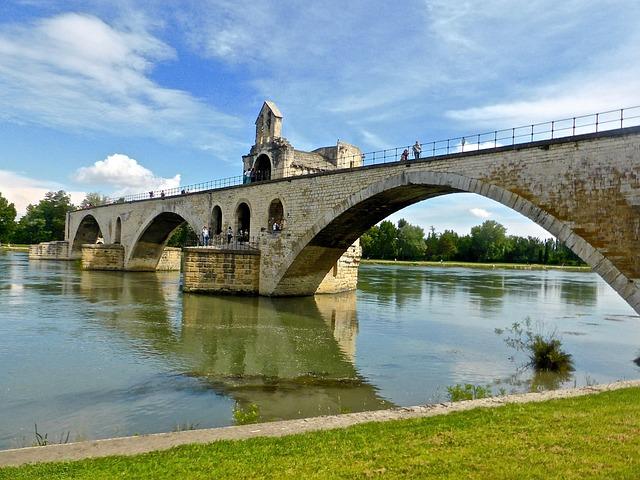
The Avignon Papacy: A Shift in the Heart of Catholicism
In the early 14th century, a seismic shift in the Catholic Church’s power dynamics unfolded as the papacy moved from Rome to Avignon, France, marking the beginning of a controversial period known as the Avignon Papacy. Lasting from 1309 until 1377, this dramatic relocation not only altered the ecclesiastical landscape but also set the stage for a series of political and religious conflicts that would reverberate through Europe for generations. Historians continue to examine this pivotal era, exploring its implications on church authority, local governance, and the burgeoning sense of nationalism that began to emerge across the continent. In this article, we delve into the complexities of the Avignon Papacy, shedding light on the circumstances that led to this extraordinary chapter in the history of the Roman Catholic Church, as detailed by Britannica’s extensive research.
The Origins and Rise of the Avignon Papacy
The Avignon Papacy, a striking chapter in the history of the Catholic Church, emerged in the early 14th century during a tumultuous period marked by political unrest and power struggles within Europe. When Pope Clement V decided to relocate the papal court from Rome to Avignon in 1309, it set the stage for nearly 70 years of papal presence in France. This decision was motivated by several factors, including:
- Political Stability: Avignon offered a more stable environment amidst ongoing conflicts in Italy.
- French Influence: The French monarchy’s growing power played a significant role in the Pope’s decision to establish a residence in Avignon.
- Financial Considerations: Avignon provided a strategic location for the Church to increase its revenues and assert control over Western Christendom.
During the Avignon Papacy, the role of the papacy transformed significantly, as the Vatican was perceived to operate primarily under French influence, leading to tensions with Rome and other European nations. The period witnessed the establishment of a robust administrative system, enabling the Church to pursue ambitious reforms and patronage. Notable popes of this era included:
| Pope | Reign |
|---|---|
| Clement V | 1305 – 1314 |
| John XXII | 1316 – 1334 |
| Benedict XII | 1334 – 1342 |
| Clement VI | 1342 – 1352 |
This unique period not only reshaped the papacy’s image but also set the stage for future controversies, including the Great Schism, which saw rival popes claiming authority over the Catholic Church. The legacy of the Avignon Papacy continues to spark discussions on the relationship between politics and religion, highlighting how power dynamics can influence even the highest spiritual offices.
Key Personalities Shaping Papal Influence in Avignon
The Avignon Papacy, lasting from 1309 to 1377, was significantly influenced by several key figures whose actions and decisions shaped its course. Clement V, the first pope to settle in Avignon, facilitated this relocation from Rome due to political pressures and safety concerns during a tumultuous time in Italy. Under his papacy, the Curia expanded, bringing a wealth of administrative power to the region. Soon after, John XXII emerged as another pivotal figure, known for his theological inclinations and efforts to consolidate papal authority. He established a dynamic and complex relationship with the French monarchy, often prioritizing the interests of the crown over traditional ecclesiastical concerns, which inadvertently shifted papal influence in France and beyond.
Additionally, the role of Benedict XII and Clement VI cannot be understated. Benedict XII brought a focus on ecclesial reform and addressed the rampant corruption within the church, while Clement VI is often credited with asserting the church’s spiritual and temporal dominance during a period riddled with conflicts. Under his rule, the Avignon papacy became synonymous with patronage and cultural flourishing, as art and scholarship were actively encouraged. The interplay between these figures not only defined the Avignon period but also laid the groundwork for future tensions between the papacy and emerging nation-states.
The Political and Religious Implications of Relocating the Papacy
The relocation of the papacy to Avignon during the 14th century marked a significant shift in both political and religious dynamics across Europe. This period, often referred to as the Avignon Papacy, saw seven successive popes reside in France instead of Rome. The implications were far-reaching, affecting not only the authority of the papacy but also the relationship between the church and secular rulers. Some key points include:
- Increased French Influence: The French monarchy wielded substantial power over the papacy, leading to perceptions of partiality and diminished papal authority in other regions.
- Religious Discontent: Many Europeans viewed the papacy’s relocation as a capitulation to political pressures, fueling religious dissent and calls for reform.
- Emergence of Rivalries: The split between Avignon and Rome created rival factions, culminating in the Great Western Schism, where multiple claimants to the papacy emerged.
These developments influenced not only the governance of the Church but also national politics. As the papacy became entwined with French interests, other nations such as England and the Holy Roman Empire reacted by bolstering their own ecclesiastical authorities. Consequently, a complex web of alliances and hostilities formed, leading to:
| Political Entity | Response |
|---|---|
| England | Strengthened the Church of England’s autonomy. |
| Holy Roman Empire | Challenged papal authority and attempted to appoint their own bishops. |
| Italy | Fomented regional identities and supported local leaders. |
Evaluating the Long-Term Impact of the Avignon Era on the Catholic Church
The Avignon Papacy, spanning from 1309 to 1377, profoundly influenced the Catholic Church’s trajectory and left lasting repercussions on its authority, governance, and international relations. During this period, the papacy’s relocation to Avignon diminished its traditional ties with Rome, leading to a perception of the papacy as more politically motivated and less spiritual. This shift prompted a series of challenges in the Church’s moral authority and raised questions about its legitimacy in the eyes of European monarchs and the laity alike. The resulting climate engendered conflicts that would eventually contribute to significant reforms and the eventual return of the papacy to Rome.
Moreover, the long-term effects of this era manifested in several critical ways:
- Increased Nationalism: The Avignon period fostered a sense of nationalism among various European powers, as local rulers began to assert control over religious matters within their domains.
- Schism and Division: The return of the papacy to Rome did not end the divisions born from Avignon; the Great Schism (1378-1417) further fractured the Church, leading to multiple claimants to the papal throne.
- Calls for Reform: The perceived corruption and politicization during the Avignon years intensified calls for reform, culminating in movements that foreshadowed the Protestant Reformation.
This complex legacy is encapsulated in the shifting perception of papal authority and its relationship with secular power, setting the stage for an evolving Church that would subsequently navigate the challenges of modernity.
Concluding Remarks
In conclusion, the Avignon Papacy marks a significant chapter in the annals of the Catholic Church and European history. The period from 1309 to 1377 not only shifted the seat of papal power but also highlighted the complex interplay between religion, politics, and cultural identity in medieval Europe. As the popes navigated the challenges of a divided church and the pressures of a changing world, their decisions reverberated through the ages, influencing both ecclesiastical authority and the broader socio-political landscape. Understanding this pivotal era sheds light on the enduring legacy of the papacy and its role in shaping the course of Western civilization. As we reflect on this historical phenomenon, it becomes evident that the lessons learned continue to resonate in contemporary discussions surrounding faith and governance.