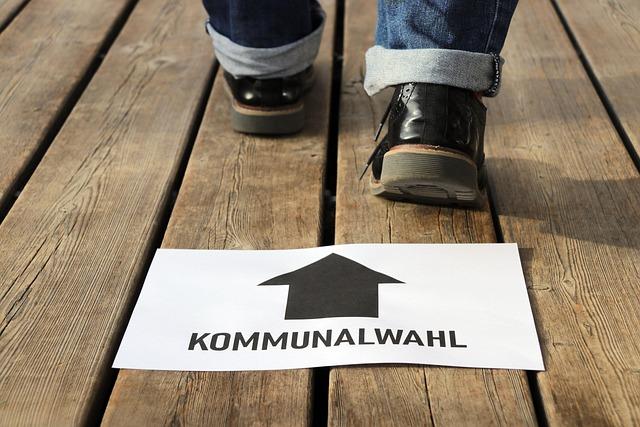
France’s first-round municipal elections have delivered a striking snapshot of the country’s evolving political landscape, setting the stage for what promises to be a closely watched runoff. As voters expressed their preferences across thousands of towns and cities, several clear trends and unexpected outcomes emerged. In this article, we analyze five key takeaways that capture the mood of the French electorate, the performance of major parties, and the broader implications for the nation’s governance and policy direction.
Shifting Political Landscape Signals Changing Voter Priorities
The recent municipal elections underscore a notable transformation in the political allegiances of French voters, reflecting a departure from traditional party loyalties towards emergent issues shaping civic concerns. Voter behavior signals a heightened emphasis on local governance effectiveness, environmental sustainability, and social equity. This shift is indicative of a population demanding more actionable policies rather than ideological rhetoric, impacting how candidates strategize and communicate.
Key elements influencing this change include:
- Environmental initiatives: Green parties and candidates with strong climate action plans made significant gains, highlighting ecological concerns as a top priority.
- Economic pragmatism: Focus on job creation, affordable housing, and local business support emerged as decisive factors for voters.
- Social cohesion: Community engagement and inclusive policies won favor, particularly in urban and diverse districts.
- Decline in traditional party dominance: Established parties saw erosion of support, making way for independent and issue-based groups.
| Priority | Voter Concern | Impact on Results |
|---|---|---|
| Environment | Climate change and green spaces | Increased seats for green parties |
| Economy | Employment and housing affordability | Support for pragmatic candidates rose |
| Social Policy | Community inclusion and services | Growth in independent candidates |
Emerging Trends in Urban Governance and Policy Focus
The recent municipal elections in France have spotlighted a distinct shift towards more participatory and environmentally-conscious urban governance. Municipal leaders are increasingly prioritizing sustainable development and green infrastructure, reflecting growing public demand for policies that address climate change and urban livability. This trend is visible across diverse municipalities, where electrification of public transport, reduction of automobile dependency, and enhancement of public green spaces have emerged as key policy commitments.
Another noticeable focus is on social equity and local democracy. Cities are experimenting with novel governance models designed to foster inclusiveness and community engagement. These include:
- Decentralized decision-making: Empowering neighborhood councils to influence urban planning.
- Participatory budgeting: Allocating municipal funds based on direct citizen input.
- Social housing initiatives: Tackling affordability challenges especially in fast-growing urban centers.
| Policy Focus | Urban Impact | Election Momentum |
|---|---|---|
| Green Mobility | Reduced pollution, improved air quality | High |
| Citizen Participation | Greater policy transparency and trust | Moderate |
| Affordable Housing | Mitigated displacement & social tension | Strong |
Impact of Election Results on France’s National Political Scene
The election results marked a significant reshuffling in France’s political landscape, signaling potential shifts ahead of the upcoming national polls. Key urban centers witnessed notable gains by centrist and green parties, challenging the long-standing dominance of traditional right- and left-wing factions. These developments underscore a growing appetite among voters for pragmatic governance and environmental prioritization. The fragmented vote in several cities also reflected a broader skepticism toward established parties, enhancing the leverage of smaller, issue-focused movements.
Political analysts point to several immediate consequences:
- Renewal of local leadership: Younger and more diverse candidates have entered the municipal stage, promising fresh policy perspectives.
- Strategic alliances: Parties are likely to recalibrate alliances, both locally and nationally, to consolidate influence before legislative elections.
- Rise of environmental politics: Successes by green factions at the municipal level may accelerate climate-related agendas at the national level.
- Challenges for traditional parties: Established parties face pressure to reform and reconnect with grassroots voters.
- Impact on national campaign narratives: The outcomes provide early indicators of voter concerns and priorities, shaping party platforms moving forward.
| Party | First-Round Vote % | Major City Gains |
|---|---|---|
| Centrist Alliance | 28% | Lyon, Toulouse |
| Green Party | 15% | Strasbourg, Nantes |
| Traditional Right | 25% | Marseille, Bordeaux |
| Traditional Left | 20% | Lille, Rennes |
| Others | 12% | – |
Strategic Recommendations for Political Parties Moving Forward
Political parties must adopt a more nuanced approach to voter engagement, recognizing the growing diversity in urban electorates. Emphasizing localized messaging and grassroots involvement can bridge the disconnect many citizens feel toward traditional party structures. Experimenting with digital outreach methods tailored to younger demographics, especially via social media platforms, will enhance visibility and foster trust. Additionally, strategic alliances and coalition-building at the municipal level can prove crucial, helping parties consolidate influence where no single group commands an outright majority.
Transparency and responsiveness should become cornerstones of party platforms moving forward. To capitalize on shifting voter sentiment, parties should prioritize policy innovation that addresses urgent local concerns such as affordable housing, sustainable development, and public safety. Below is a simplified comparison of key focus areas recommended for progressive adaptation:
| Focus Area | Traditional Approach | Recommended Strategy |
|---|---|---|
| Voter Outreach | Mass Campaigns | Targeted Grassroots |
| Communication | Top-Down Messaging | Interactive Engagement |
| Policy Focus | General Promises | Localized Solutions |
| Coalition Building | Independent Campaigning | Strategic Alliances |
Final Thoughts
As the dust settles on France’s first-round municipal elections, these key takeaways provide critical insight into the evolving political dynamics ahead of the final vote. From shifting voter allegiances to the performance of established and emerging parties, the results underscore the complexities shaping local governance in France today. Observers will be watching closely as candidates prepare for the decisive second round, where these initial trends could translate into significant shifts at the municipal level. Stay tuned for further analysis as the political landscape continues to unfold.