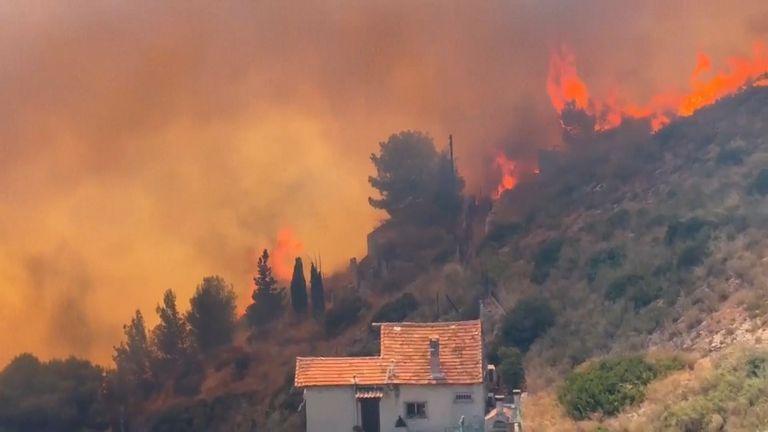
In a significant turn of events, officials have reported that the devastating wildfire in Marseille, which led to the closure of the city’s airport and the suspension of train services, is now receding. The blaze, fueled by extreme heat and strong winds, prompted widespread evacuations and significant safety concerns, affecting thousands of residents and travelers alike. As firefighting efforts continue, authorities are assessing the damage and implementing measures to prevent further outbreaks. This article explores the latest developments surrounding the wildfire’s impact on the region and the response from local and national agencies.
Marseille Wildfire Update: Airport and Train Services Resumption Plans
Significant progress has been made in managing the wildfires that prompted the closure of Marseille’s airport and interrupted train services. Officials have reported that the flames are receding, allowing plans for the resumption of both air and rail services. The regional authorities have been working tirelessly to ensure that safety measures are upheld while aiming to restore normal operations as swiftly as possible. Air traffic controllers and rail service managers are currently assessing the situation to implement a phased reopening strategy, which could begin within days, pending favorable conditions.
In preparation for the anticipated reopening, the following steps are underway:
- Safety inspections of terminal facilities and train stations
- Coordination with emergency services to monitor fire activity
- Clearance of any debris or damage from transport routes
Airlines and train companies are already notifying customers regarding changes in schedules and policies. For travelers planning to visit or leave Marseille, here’s a quick overview of the current status:
| Service | Status | Notes |
|---|---|---|
| Marseille Airport | Reopening Soon | Check with airlines for updates |
| Train Services | Delayed | Resumption expected later this week |
Impact on Local Communities: Assessing the Aftermath of the Blaze
The recent wildfire in Marseille has left an indelible mark on the local communities, who are grappling with the aftermath of destruction and uncertainty. Residents were evacuated, emergency services were overwhelmed, and the closure of critical infrastructure such as airports and train services heightened the sense of crisis. As the fire continues to recede, the focus is shifting to how neighborhoods can rebuild and recover. In the wake of this disaster, community support is paramount, with local groups mobilizing to aid those affected. The impact on local businesses has also been profound, as many faced interruptions that could jeopardize their future.
Officials are now assessing the damage and looking to implement recovery strategies, which could potentially include:
- Financial assistance
- Community rebuilding initiatives to restore essential services
- Environmental assessments to prevent future wildfires
A preliminary evaluation of damages can be seen in the table below, illustrating the scale of impact across various sectors:
| Sector | Damage Estimated (€) |
|---|---|
| Residential Housing | 1.5 million |
| Local Businesses | 800,000 |
| Environmental Restoration | 500,000 |
As community leaders and residents unite to confront these challenges, the resilience of Marseille’s populace shines through. The recovery will be a long road, but there is hope that collaboration and determination will lead to a brighter future.
Recommendations for Fire Prevention: Strategies to Mitigate Future Risks
In light of the recent wildfire incidents near Marseille, it’s imperative to adopt proactive and comprehensive fire prevention strategies. To mitigate future risks, authorities and local communities can consider the following measures:
- Enhanced Forest Management: Regular thinning and selective logging can reduce fuel loads in high-risk areas.
- Community Awareness Campaigns: Educating residents about fire safety measures and encouraging firebreak creation can empower communities.
- Improved Emergency Response Plans: Developing and rehearsing coordinated evacuation and firefighting strategies is crucial for minimizing damage.
- Infrastructure Investment: Upgrading access roads and water supply systems ensures that resources are available for firefighting efforts during emergencies.
Furthermore, collaboration among local governments, fire departments, and environmental organizations can lead to innovative solutions tailored for specific regions. A table outlining essential resources for fire prevention could aid in strategic planning:
| Resource Type | Description | Example |
|---|---|---|
| Firebreaks | Cleared areas that stop the spread of fire | Constructed within a 10 ft radius around homes |
| Firefighting Equipment | Tools and machinery for fire control | Water tenders, aerial support |
| Community Volunteers | Local groups trained in fire response | Neighborhood watch-style firefighting teams |
Emergency Response Evaluation: Lessons Learned from the Marseille Wildfire
The recent wildfire in Marseille has provided a crucial opportunity to assess the effectiveness of emergency response protocols. As the flames encroached upon urban areas, officials faced numerous challenges that tested their preparedness. Key insights from this incident highlight the importance of real-time communication among agencies, the need for improved resource allocation, and the necessity of community involvement during crises. Stakeholders noted that swift coordination between fire departments, local authorities, and national resources played a pivotal role in mitigating damage and safeguarding lives.
Furthermore, lessons learned from the rapid response can inform future strategies in wildfire management. Key recommendations emerging from this evaluation include:
- Enhanced Training: Regular, scenario-based drills for emergency services to ensure readiness.
- Public Awareness Campaigns: Educating residents on evacuation procedures and fire safety measures.
- Infrastructure Improvements: Investing in firebreaks and controlled burn strategies to prevent future disasters.
| Response Aspect | Current Status | Improvement Needed |
|---|---|---|
| Communication | Effective | Develop app for real-time updates |
| Resource Availability | Moderate | Stockpile equipment in vulnerable areas |
| Community Engagement | Low | Conduct regular workshops and drills |
Insights and Conclusions
In conclusion, the wildfire that engulfed parts of Marseille has prompted significant disruptions, including the closure of the local airport and the suspension of train services. Authorities have reported that the situation is receding, although the impact on the region remains palpable. Emergency services continue to monitor the area closely to ensure safety and assess any lingering threats. As recovery efforts begin, officials stress the importance of community resilience and preparedness in the face of such natural disasters. The situation serves as a reminder of the ongoing challenges posed by climate change and the need for robust firefighting measures. For continuous updates, stay tuned to France 24.