Holocaust Memorial in Lyon Defaced with ‘Free Gaza’ Graffiti
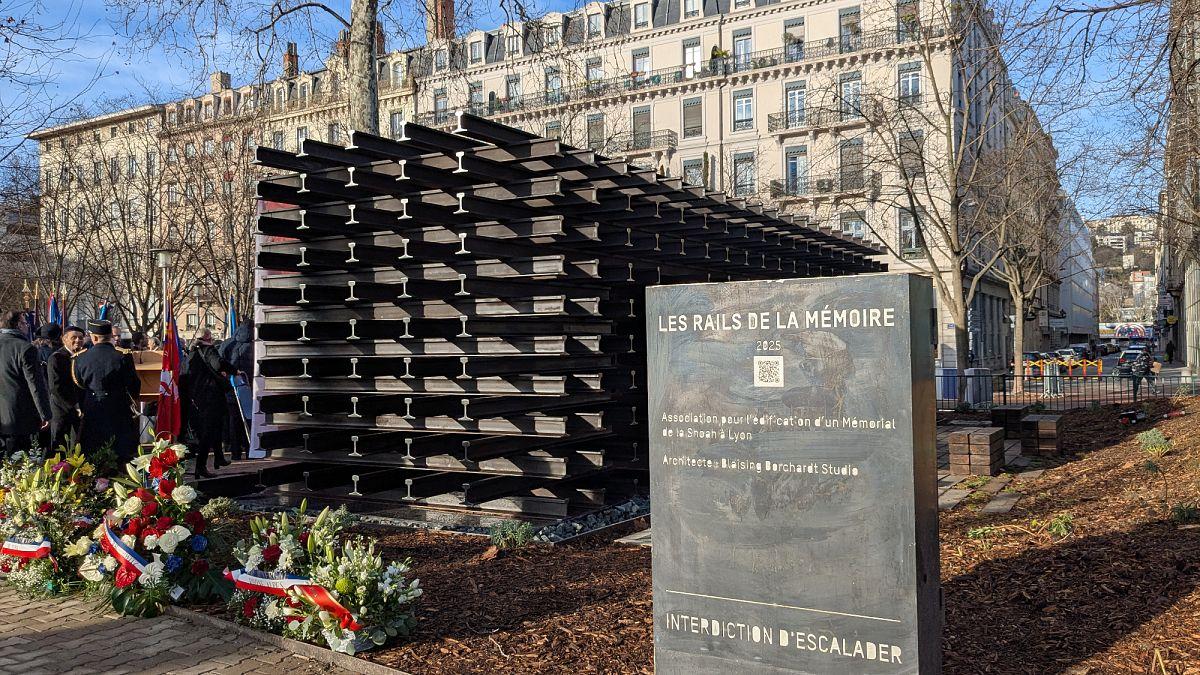
In a disturbing display of political sentiments intersecting with historical remembrance, a Holocaust memorial in Lyon, France, was found defaced with graffiti reading “Free Gaza.” This incident, which occurred amidst ongoing tensions in the Middle East, has sparked outrage among local Jewish communities and broader societal debates about the respect owed to memorials honoring the victims of genocide. As the city grapples with rising antisemitic incidents, this act highlights a troubling trend where historical tragedies are invoked in contemporary conflicts, raising crucial questions about the responsibilities of public discourse and the sanctity of memorial spaces.
Holocaust Memorial in Lyon Targets Ongoing Tensions in the Middle East
The recent defacement of a Holocaust memorial in Lyon has ignited a wave of controversy, drawing attention to the complex intertwining of historical remembrance and contemporary global conflicts. The phrase “Free Gaza” was spray-painted on this significant site, symbolizing not just a call for solidarity with Palestinians but also highlighting the deep divisions that resonate across communities. This act has reignited discussions about the appropriateness of using sacred spaces for political statements and has raised questions about the boundaries between advocacy and disrespect for the memory of historical atrocities.
Local leaders and Jewish organizations have expressed their outrage, emphasizing that the memorial represents a somber tribute to the lives lost during the Holocaust and should remain untouched by present-day disputes. This incident serves as a poignant reminder of how history can be leveraged or distorted in the face of current events. As tensions in the Middle East continue to escalate, the interplay between symbols of suffering and expressions of current political sentiments becomes increasingly fraught, urging communities to navigate these difficult conversations with sensitivity.
Community Reactions to the Defacement and Its Implications
The recent defacement of the Holocaust memorial in Lyon has sparked outrage and concern across various community sectors. Many local residents and leaders expressed their dismay, viewing the act as a profound disrespect not only to the memories of Holocaust victims but also to the broader principle of commemorating historical suffering. In social media reactions, users highlighted the inappropriateness of using such a solemn site for political slogans, arguing that it diminishes legitimate discussions surrounding current conflicts. Key points of the discourse include:
- Impact on Interfaith Relations: Concerns were raised about how this incident could affect relationships between Jewish and Muslim communities in Lyon.
- The Role of Memorials: Many emphasized the importance of these memorials as spaces for reflection rather than political statements.
- Call for Unity: A number of community leaders called for a unified response to hate and division, advocating for dialogue and understanding.
The implications of this act stretch beyond local boundaries, raising questions about the intersection of memory, identity, and activism. Some commentators fear that such incidents may foster division and hostility rather than encouraging empathy and awareness of historical atrocities. As discussions unfold, community members are now focusing on how to rebuild trust and foster constructive dialogue on sensitive issues related to nationalism and historical memory. Tables outlining community responses are beginning to emerge, showcasing a diverse array of opinions and calls for collective action:
| Community Group | Response |
|---|---|
| Local Jewish Community | Strong condemnation of the act and calls for education on historical significance. |
| Muslim Association | Statements advocating for mutual respect and coexistence. |
Historical Context: Understanding the Significance of the Memorial
The recent defacement of the Holocaust memorial in Lyon serves as a grave reminder of the ongoing struggles between historical memory and contemporary political conflicts. Established to honor the victims of one of history’s most heinous atrocities, this memorial encapsulates the collective grief and resilience of the Jewish community and humanity at large. Incidents like this highlight the critical need for safeguarding such symbols against politicization and misuse. It raises pressing questions about how memorials can maintain their integrity amidst fluctuating societal values and geopolitical tensions.
In the context of Lyon, a city with deep connections to Jewish history and the resistance against Nazi persecution, this act of vandalism underscores a troubling trend where significant historical sites are intertwined with current political narratives. Understanding the significance of the memorial involves recognizing:
- The role of memory: Ensuring that the past is not forgotten.
- Interconnected narratives: How various social justice movements can either uplift or obscure each other’s histories.
- Civic responsibility: The obligation of communities to protect and respect all facets of their past.
This intersection of memory and contemporary discourse underlines the vital importance of education, dialogue, and respectful remembrance in preserving the sanctity of memorials for future generations.
Promoting Dialogue: Steps Towards Healing and Unity in Lyon
In the wake of the recent incident where a Holocaust memorial in Lyon was defaced, the community faces a critical juncture. Such actions not only provoke outrage but also spotlight the need for deeper conversations about history, suffering, and coexistence. Promoting dialogue becomes essential to navigate the complexities of collective trauma and to foster understanding among diverse groups. The challenge now lies in responding constructively to the hurt and anger, facilitating discussions that allow all voices to be heard. Engaging in these dialogues can pave the way for reconciliation and unity by addressing grievances and shared histories.
To move towards healing and unity, community leaders and organizations can adopt several proactive steps, including:
- Organizing dialogue forums: Create safe spaces for open conversations among community members.
- Educational initiatives: Develop programs that explore historical injustices and promote empathy.
- Artistic expressions: Use public art to reflect diverse narratives and foster connection.
- Interfaith collaborations: Encourage partnerships among religious groups to work towards common goals of peace.
| Initiative | Description |
|---|---|
| Community Workshops | Facilitate workshops focusing on dialogue and healing. |
| Storytelling Events | Encourage personal stories to highlight shared experiences. |
| Memorial Services | Commemorate victims and promote communal reflection. |
Closing Remarks
In conclusion, the defacement of the Holocaust memorial in Lyon with the phrase “Free Gaza” has sparked outrage and condemnation from various communities, underscoring the complexities of contemporary political discourse intertwined with historical reverence. As civic leaders and local organizations rally to restore the memorial and reaffirm the importance of Holocaust remembrance, this incident serves as a poignant reminder of the ongoing struggles against anti-Semitism and the necessity of fostering mutual respect among diverse narratives. The incident has also prompted discussions about how memorials and symbolic spaces can be affected by global conflicts, highlighting the need for dialogue and understanding in an increasingly polarized world. Moving forward, the challenge remains for communities to navigate these sensitive issues while honoring the past and advocating for a future grounded in peace.