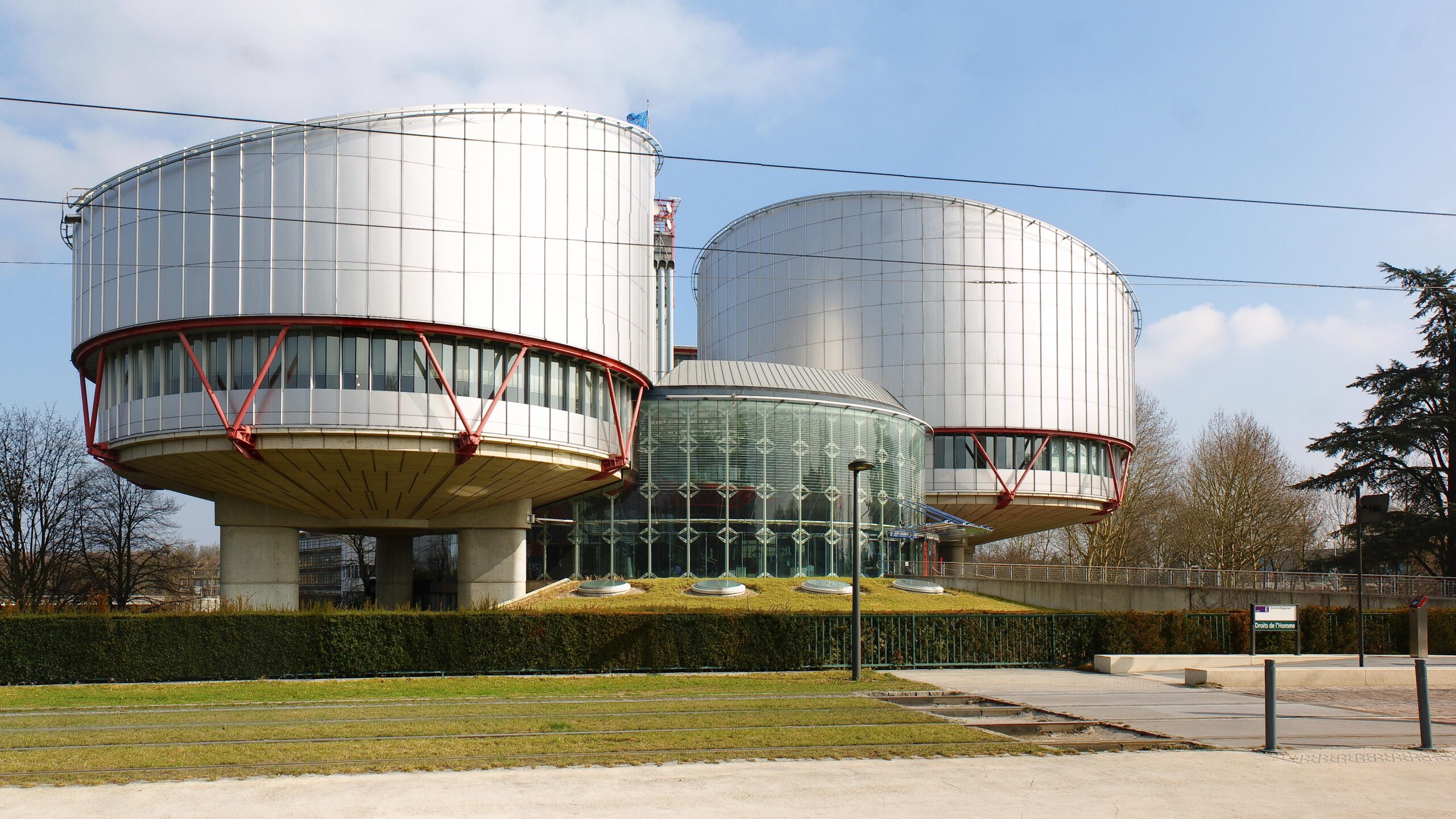
The European Court of Human Rights (ECHR) issued a landmark ruling against France in a case that has reignited the debate over racial profiling and police practices in Europe. The court found that French authorities had violated the rights of individuals subjected to discriminatory practices based on race and ethnicity. This decision underscores ongoing concerns about systemic racism within law enforcement, prompting advocates to call for comprehensive reforms in policing and justice systems across the continent. As the ECHR’s ruling sets a significant precedent, it raises important questions about the balance between security measures and the protection of fundamental rights in an increasingly diverse Europe.
European Court Challenges France’s Approach to Racial Profiling
The European Court of Human Rights has delivered a pivotal verdict challenging France’s longstanding practices surrounding racial profiling in law enforcement. This landmark ruling comes after a series of complaints from individuals who claimed they were unjustly subjected to intrusive police checks based primarily on their ethnicity. The court emphasized that such practices not only violate fundamental human rights but also contribute to systemic discrimination within the justice system. In its decision, the court called for France to amend its policing policies to ensure that law enforcement conducts are based on objective criteria rather than discriminatory assumptions.
This judgment has sparked debates across the continent regarding the balance between maintaining public safety and upholding individual rights. Advocacy groups are heralding the ruling as a victory for marginalized communities, who have long endured the repercussions of racially biased policing. Key elements of the court’s findings include:
- Systematic Review: France is required to implement policies that allow for independent oversight of police conduct.
- Training Initiatives: Mandatory training for police officers on racial sensitivity and public trust-building.
- Public Awareness Campaigns: Efforts to educate citizens on their rights and the legal frameworks protecting against racial profiling.
| Aspect | Previous Approach | Required Change |
|---|---|---|
| Police Checks | Predominantly based on ethnicity | Objective criteria for checks |
| Oversight | Minimal oversight | Independent reviews mandated |
| Community Relations | Distrust and tension | Building public trust through engagement |
Impact of the Ruling on Anti-Discrimination Policies Across Europe
The recent ruling against France by Europe’s top rights court signifies a pivotal moment for anti-discrimination policies across the continent. By declaring that the systematic racial profiling practices employed by French law enforcement violate fundamental human rights, the court has set a strong precedent. This decision not only sheds light on the ongoing issue of racial discrimination within national policing frameworks but also compels other European nations to reevaluate their own policies concerning minorities. As countries strive to uphold the values of equality and non-discrimination, they may face increasing pressure to implement reforms that align with the court’s findings. Key implications include:
- Enhanced Legal Frameworks: Countries may need to strengthen their anti-discrimination laws to prevent similar judicial challenges.
- Increased Accountability: Law enforcement agencies could face stricter oversight and transparency measures to curb racial profiling.
- Improved Training Programs: There may be a greater focus on educating police officers regarding racial sensitivity and diversity.
Moreover, this ruling could influence public opinion and spur grassroots movements advocating for a fairer treatment of marginalized groups. As citizens in various countries rally for justice and equality, the court’s decision encourages a dialogue on systemic racism and the necessity for legislative change. To facilitate this conversation, the following table summarizes the current status of anti-discrimination policies in several European nations:
| Country | Current Policy Status | Potential Reforms |
|---|---|---|
| France | Systematic racial profiling identified | Stricter oversight on police accountability |
| Germany | Anti-discrimination laws in place | Enhanced training on diversity |
| Italy | Lacks comprehensive legislation | Need for unified anti-discrimination framework |
Legal Implications for Law Enforcement Practices in France
The recent ruling by Europe’s highest human rights court marks a significant moment in the ongoing debate over law enforcement practices in France, focusing particularly on the contentious issue of racial profiling. The court’s decision underscores the need for clear legal standards to govern police conduct, reinforcing that discriminatory practices undermine public trust and violate fundamental rights. This case could influence future legal frameworks and police accountability measures, prompting legislative bodies to reconsider existing laws and their enforcement.
In light of the ruling, several key legal implications emerge for law enforcement agencies, including:
- Enhanced Accountability: Police forces may need to adopt rigorous protocols to ensure compliance with non-discriminatory practices.
- Training Programs: The implementation of comprehensive training on racial bias and profiling issues for law enforcement personnel.
- Policy Revisions: A potential overhaul of existing procedures to align with the court’s standards, reflecting a commitment to human rights.
| Legal Aspect | Potential Changes |
|---|---|
| Discriminatory Profiling | Stricter guidelines and oversight |
| Community Relations | Improved transparency and dialogue |
| Reporting Mechanisms | Mechanisms for public complaints and feedback |
Recommendations for Strengthening Racial Equality and Community Trust
To address the challenges highlighted by the recent ruling on racial profiling, it is essential for local governments and law enforcement agencies to fortify their commitment towards fostering racial equality and rebuilding community trust. Key strategies that can be implemented include:
- Comprehensive Training Programs: Ensure all law enforcement personnel receive training on racial bias, cultural competence, and the legal implications of profiling.
- Policy Revisions: Re-evaluate and revise existing policies to clearly prohibit racial profiling practices and establish accountability measures.
- Community Engagement: Create platforms for open dialogue between law enforcement and diverse community groups to enhance understanding and cooperation.
Moreover, measurable outcomes and transparency are vital in assessing progress towards racial equality. Agencies should establish clear metrics for evaluating the effectiveness of anti-profiling measures. A public reporting system could include:
| Metric | Last Year | This Year |
|---|---|---|
| Public Complaints of Profiling | 150 | 75 |
| Community Workshops Held | 5 | 15 |
| Participating Officers Trained | 30% | 80% |
Key Takeaways
In a landmark ruling, Europe’s top human rights court has held France accountable for its practices related to racial profiling, a decision that underscores the ongoing tensions surrounding civil rights and law enforcement in Europe. As the Strasbourg court emphasizes the need for accountability and transparency, this verdict not only highlights the vulnerabilities faced by marginalized communities but also raises crucial questions about the balance between security and individual freedoms. The implications of this ruling will likely resonate beyond France, sparking debates on the necessity of reforming policing practices across the continent. As stakeholders respond, the case serves as a pivotal reminder of the power of judicial oversight in the fight against discrimination and for the protection of human rights. The eyes of Europe will now be watching how France addresses this ruling and what measures will be taken in the pursuit of justice and equality for all its citizens.